



More Than Just Composting
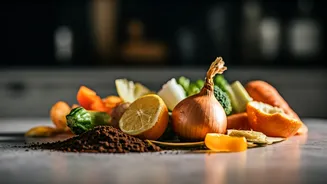
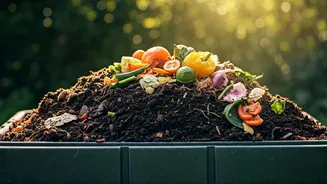
When you hear “zero-waste,” your mind might jump to a compost bin teeming with worms. While composting is part of it, the modern zero-waste food movement is a much broader philosophy centered on maximizing every edible resource. It’s a conscious effort
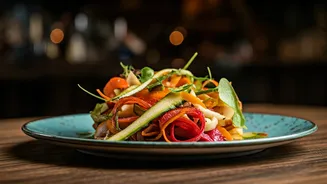
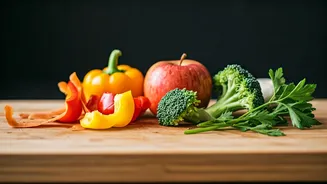
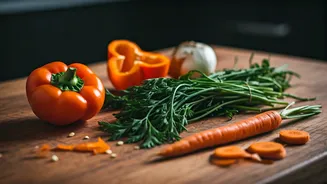
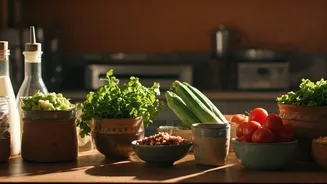
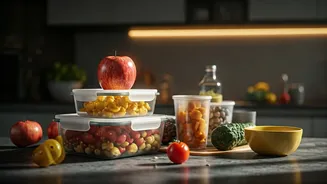
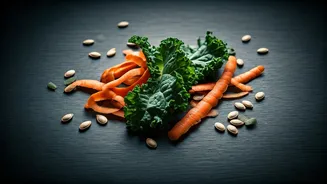
to rethink our relationship with food from purchase to plate. The core idea isn't just about managing waste after it's created; it’s about preventing it from happening in the first place. This means planning meals to use up ingredients, buying “ugly” but perfectly edible produce that would otherwise be discarded, and getting creative with parts of food we typically toss. Think broccoli stems transformed into a slaw, carrot tops blended into pesto, or stale bread resurrected as a savory bread pudding. It’s less about rigid deprivation and more about resourceful abundance.
An App for That (Leftover)
A key driver of this trend's metro appeal is technology. In dense urban areas, a new wave of apps and services is connecting consumers directly with food that’s at risk of being wasted. Apps like Too Good To Go partner with bakeries, restaurants, and grocery stores to sell “Surprise Bags” of surplus food at a steep discount at the end of the day. Instead of tossing unsold croissants or prepared salads, businesses can recoup some cost and attract new customers. Meanwhile, delivery services like Misfits Market and Imperfect Foods have built entire business models around rescuing cosmetically imperfect produce and other groceries from the supply chain and delivering them to subscribers' doorsteps. These platforms have made participating in the food-waste solution as easy as ordering a pizza, perfectly suiting the convenience-driven lifestyle of many city dwellers.
Grandma's Wisdom, Modern Kitchen
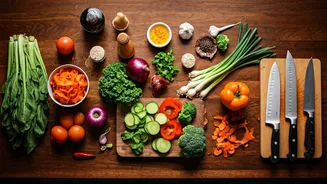
Beyond the high-tech solutions, the zero-waste trend is also fueling a return to old-fashioned kitchen wisdom. These are the techniques our grandparents knew by heart, born from necessity but now being rediscovered for their sustainability and flavor. The concept of “root-to-stem” or “nose-to-tail” cooking is gaining traction among home cooks, not just professional chefs. This means using the whole vegetable or animal, finding culinary uses for parts that are typically discarded. Chicken carcasses are simmered into rich stocks. Water from boiling vegetables is saved to add nutrients to soups. Scallion ends are placed in a glass of water on the windowsill to regrow. This revival of thrifty, resourceful cooking isn’t just about saving money; it’s a deeply satisfying act of self-sufficiency that pushes back against a culture of disposable convenience and reconnects us to the true value of our food.
The Bottom-Line Benefits
Ultimately, the zero-waste food movement is labeled a “smart” trend for a reason: it offers a win-win-win scenario. For individuals, the financial benefits are clear. The average American family throws away an estimated $1,500 in food each year. By wasting less, you directly save money. For local businesses, participating in surplus-food programs provides an alternative revenue stream and demonstrates a commitment to community and sustainability. And for the city itself, the benefits are significant. Reducing the amount of food that ends up in landfills lowers methane emissions—a potent greenhouse gas—and eases the strain on municipal waste management systems. It fosters a more resilient and resourceful urban food ecosystem where value is preserved instead of thrown away.