



From Golden Milk to a Full Pantry
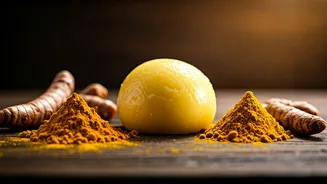
Let’s be honest: for a while, the American interpretation of Indian wellness food began and ended with the “golden milk” latte. Turmeric, a foundational anti-inflammatory spice in Indian cooking, became a wellness celebrity, sprinkled into everything
from smoothies to face masks. While its popularity introduced millions to the idea that spices could be medicinal, it also created a simplified, one-note version of a deeply complex culinary tradition. That era is now evolving. The new wave of Indian wellness isn’t just about a single ingredient. It’s a full-blown spice rack renaissance, driven by a new generation of Indian-American chefs, entrepreneurs, and storytellers. They are reintroducing ancient principles not as a fad, but as a holistic, and most importantly, delicious, way of life. This isn't your grandmother's health food; it's your grandmother's wisdom, remixed for the modern palate.
The Ayurvedic Roots of Flavorful Health
To understand the “upgrade,” you have to look at the foundation: Ayurveda. Often translated as “the science of life,” it’s one of the world's oldest holistic healing systems, originating in India thousands of years ago. A core tenet of Ayurveda is that food is medicine, and spices are its most potent delivery system. It’s not about punishing yourself with bland food. Instead, it’s about creating balance in the body by using a symphony of six tastes—sweet, sour, salty, bitter, pungent, and astringent.
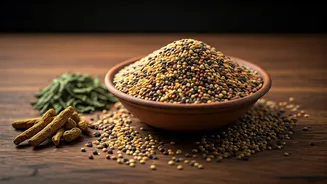
For example, ginger is used to aid digestion, fenugreek to help control blood sugar, and cardamom to soothe the stomach. This isn't just folklore; it's a sophisticated system of using what grows from the earth to help the body function optimally. The “spice upgrade” we’re seeing today is simply a return to this principle, but with an emphasis on quality, sourcing, and creative applications that fit a modern American lifestyle.
Meet the New Power Players
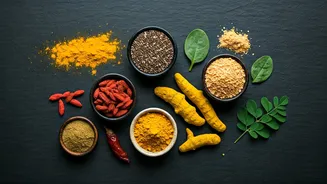
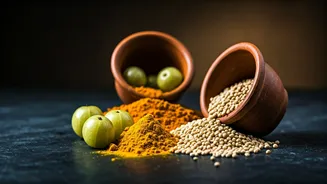
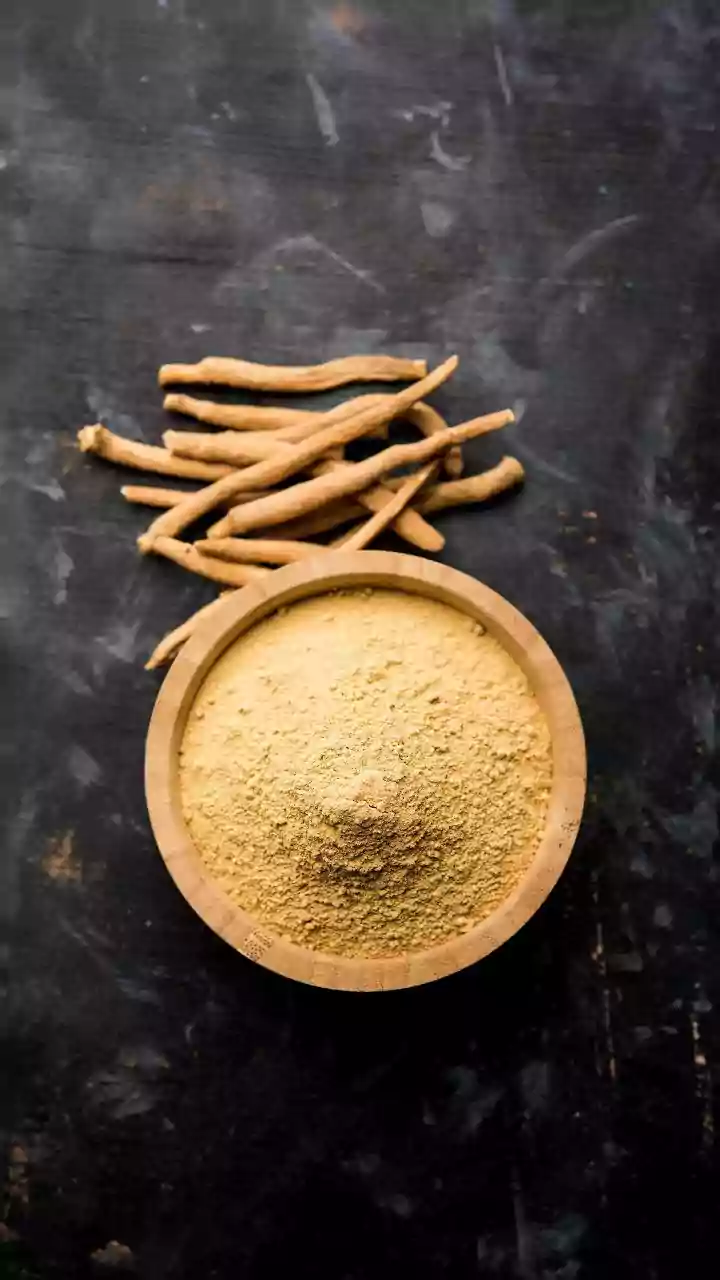
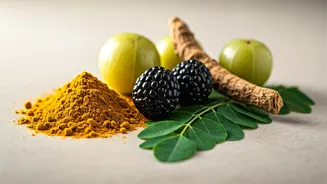
So what does this new spice pantry look like? It’s filled with adaptogens and potent botanicals that have been staples in Indian households for centuries. Ashwagandha, an adaptogen known for its stress-reducing properties, is now appearing in everything from morning coffee blends to evening relaxation teas. Moringa, a leafy green packed with nutrients, is being sold as a powder to boost smoothies. Amla, or Indian gooseberry, a vitamin C powerhouse, is finding its way into wellness shots and jams.
But the upgrade is also about the spices we thought we knew. Companies like Diaspora Co. have built a movement around sourcing fresh, potent, single-origin spices directly from farms in India. Their Pragati Turmeric, for instance, has a much higher curcumin content (the active compound) than the stuff that’s been sitting on a supermarket shelf for a year. This focus on quality and equity means the flavors are brighter, the health benefits are more pronounced, and the connection to the food is far more meaningful.
Reclaiming the Narrative
For decades, Indian food in the U.S. was often stereotyped as heavy, greasy, and limited to a few buffet-style curries. This new movement is a powerful act of reclamation. Indian-American chefs and food brands are challenging those misconceptions by showcasing the lighter, vegetable-forward, and regionally diverse dishes that form the true backbone of the subcontinent's cuisine.
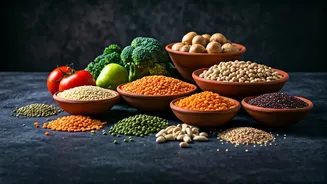
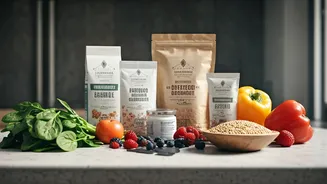
They’re serving modern interpretations of *khichdi*, a comforting and easily digestible dish of rice and lentils, but elevating it with seasonal vegetables and heirloom grains. They’re creating snack bars with dates, nuts, and Ayurvedic spices instead of processed sugars. They are proving that food can be both deeply comforting and incredibly good for you, without sacrificing an ounce of flavor. It’s about celebrating a heritage of wellness that was always there, but is now being presented with the confidence and culinary creativity it deserves.