

A Telescope with a Spy-Novel Twist
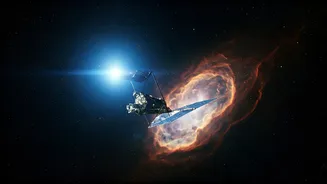
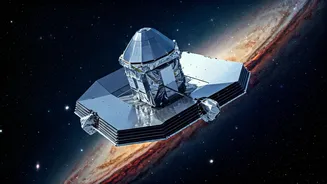
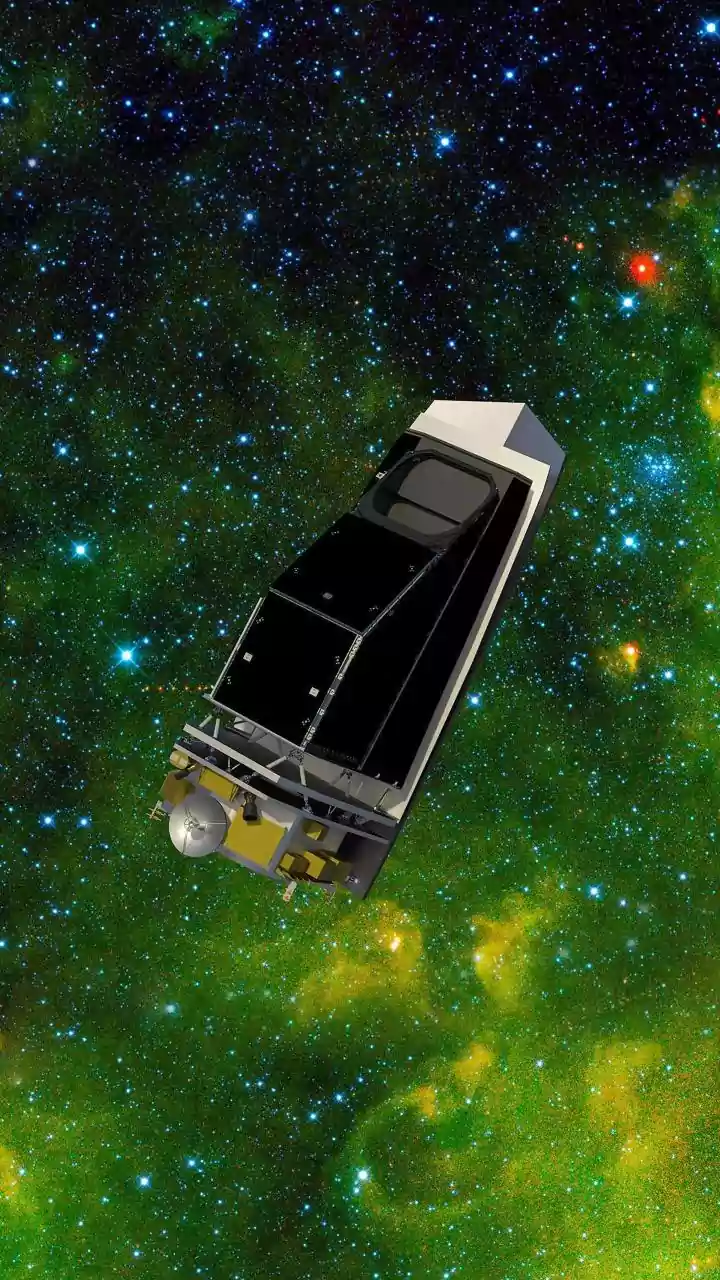
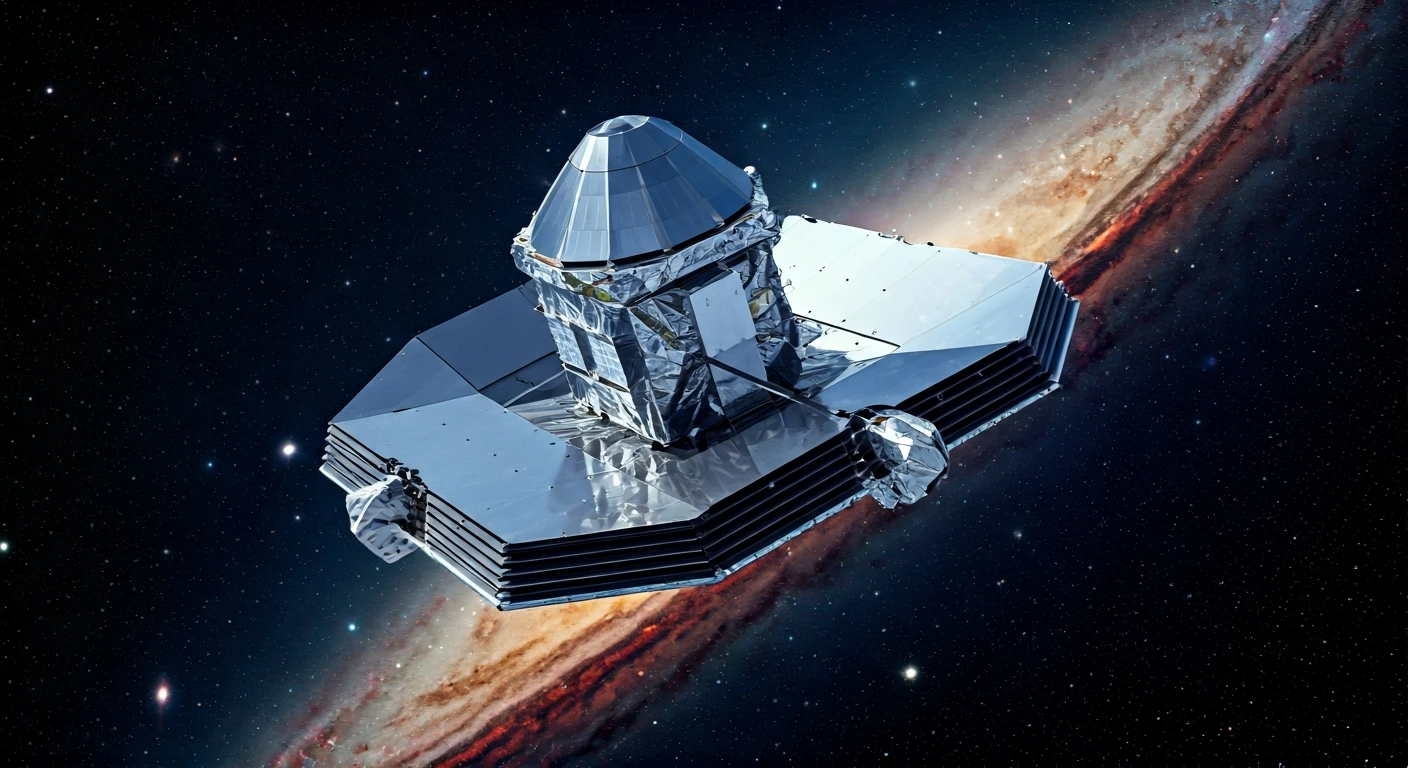
First, let's get the name right. While it's often framed as Hubble's successor, this new observatory is the Nancy Grace Roman Space Telescope, named after NASA’s first chief of astronomy. And its origin story is the stuff of a political thriller. In 2012,
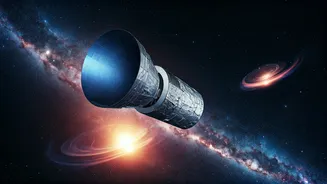
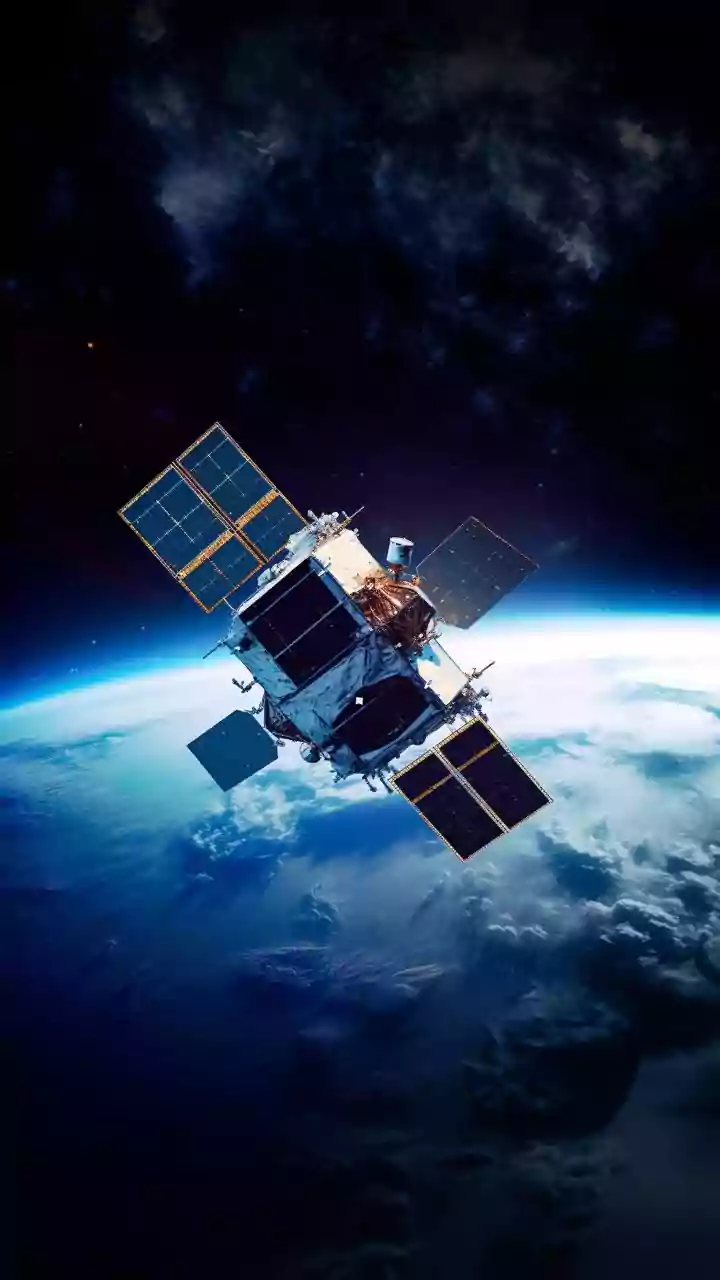
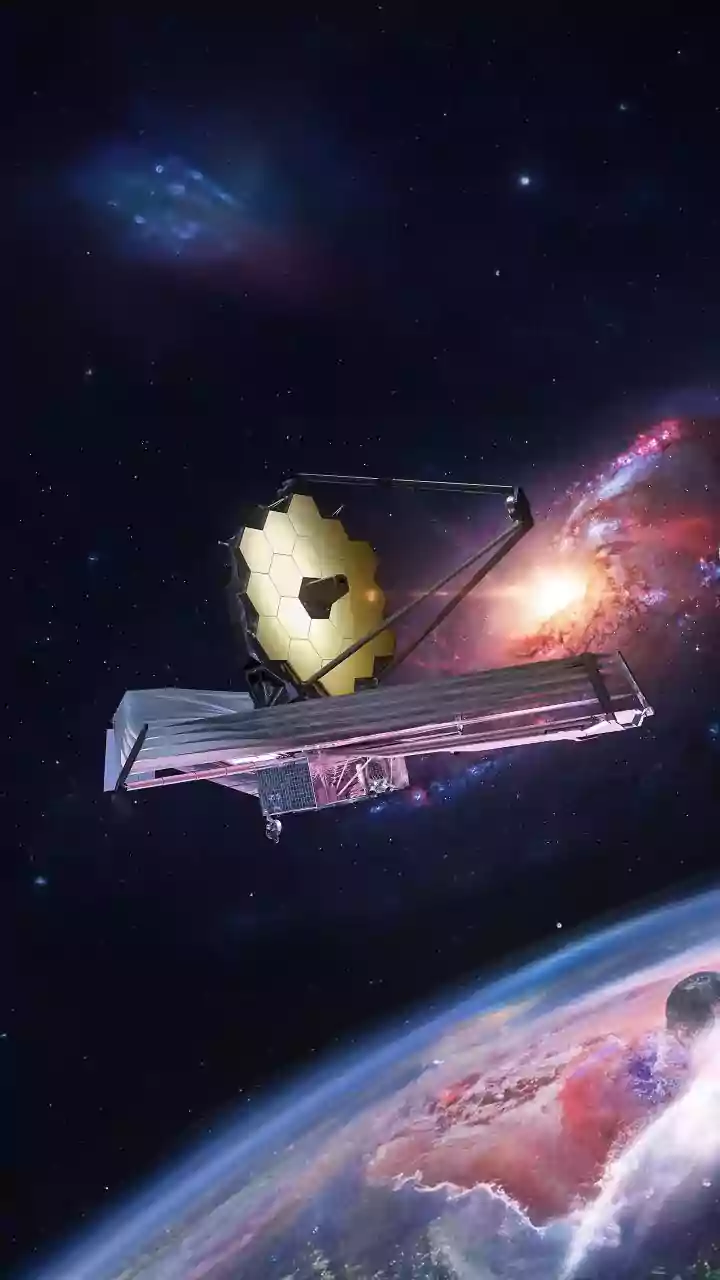
the U.S. National Reconnaissance Office (the agency that manages America's spy satellites) suddenly offered NASA two space-qualified telescopes, complete with 2.4-meter primary mirrors—the same size as Hubble's. They were built for looking down at Earth, but NASA engineers quickly realized they could be repurposed to look up at the stars. The Roman Telescope is one of those gifts. It's essentially a repurposed, top-secret spy satellite being refitted to become one of the most powerful scientific instruments ever built. This heritage gives it a unique optical design, one that is fundamentally different from both Hubble and its more recent sibling, the James Webb Space Telescope (JWST).
Not Just a Better Hubble, but a Wider One
So what makes Roman so special? It's all about the view. Think of Hubble and Webb as cosmic microscopes. They can zoom in with incredible precision on a tiny patch of sky to see the faintest, most distant objects in breathtaking detail. Roman, by contrast, is a cosmic panoramic camera. Its primary instrument, the Wide Field Instrument, will have a field of view 100 times larger than Hubble's. If Hubble’s view is like looking at the night sky through a drinking straw, Roman’s is like looking through a bay window. This ability to capture vast swaths of the universe in a single shot will allow it to conduct massive surveys of the sky with unprecedented speed and efficiency. In its first five years, Roman is expected to image an area of the sky more than 2,000 times larger than the area Webb will image over the same period, generating an almost unimaginable flood of data for astronomers to sift through.
Chasing the Universe's Biggest Mysteries
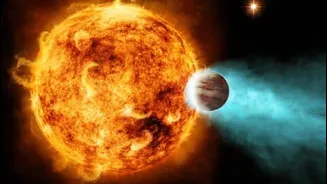
A wider view enables a whole new kind of science. Roman has two primary missions that are perfectly suited to its panoramic capabilities. First, it will tackle the mystery of dark energy—the enigmatic force that is causing the expansion of the universe to accelerate. By precisely measuring the positions and distances of millions of galaxies, Roman will help cosmologists map the history of cosmic expansion and test theories about what dark energy actually is. Its second major goal is to conduct a massive census of exoplanets—planets orbiting other stars. Using a technique called gravitational microlensing, Roman is projected to discover thousands of new exoplanets, from gas giants to rocky worlds like Earth. It will be the first mission capable of giving us a true statistical understanding of how common planets like our own are throughout the Milky Way.
The Countdown to Discovery
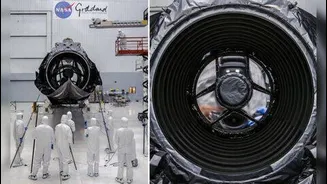
With all that potential, the big question has been when we’d get to see it in action. NASA has now officially targeted a launch readiness date of no later than May 2027. While that might feel far away, building and testing a flagship space telescope is a monumental undertaking. Over the next few years, the telescope's various components—the mirror, the instruments, and the spacecraft itself—will undergo a rigorous series of tests before being integrated at NASA's Goddard Space Flight Center. Once assembled, the entire observatory will be subjected to intense vibration and thermal vacuum tests that simulate the brutal conditions of launch and the cold vacuum of space. Only after passing every test will it be packed up and shipped to Cape Canaveral for its journey aboard a SpaceX Falcon Heavy rocket to its final orbit, about a million miles from Earth.