


An Atmosphere Steeped in History
To understand Shimla is to walk its winding roads. The city, perched at over 7,000 feet in the Himalayan foothills, is a living museum of colonial architecture. Grand structures like the Viceregal Lodge, now the Indian Institute of Advanced Study, and the Gaiety
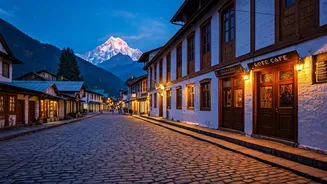
Theatre stand as proud, stone-faced monuments to a bygone era. The most famous artery, the pedestrian-only Mall Road, feels like a preserved slice of the 19th century, with its gabled roofs, Tudor-style facades, and old-world lampposts. This is the heart of the “mountain nostalgia.” It’s not a static, dusty feeling but a powerful atmospheric backdrop. Even the journey here aboard the Kalka-Shimla Railway, a UNESCO World Heritage Site, is an act of time travel, chugging slowly through over 100 tunnels and across 800 bridges on a narrow-gauge track laid down over a century ago. This palpable sense of history is the stage upon which Shimla’s modern identity performs.
The New Flavor of the Hills
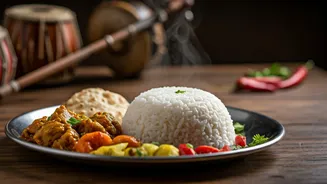
While Shimla’s history is its foundation, its food scene is where the city’s contemporary pulse is most felt. For decades, the iconic Indian Coffee House on the Mall Road, with its uniformed waiters and no-frills menu, has been the go-to spot for conversation and nostalgia. It remains a beloved institution. But today, it shares the spotlight with a vibrant café culture that has taken root. Cozy spots like Wake & Bake Cafe or Café Sol offer panoramic valley views alongside artisanal coffee, wood-fired pizzas, and global cuisine. They’re filled with a mix of tourists, students, and young locals, laptops open and conversations buzzing. Yet, the traditional flavors are never far. Venture into the Lower Bazaar, a bustling, chaotic world away from the polished Mall, and you’ll find vendors selling local Himachali specialties. Look for *siddu*, a fluffy steamed bread stuffed with nuts and poppy seeds, or savory *chha gosht*, a lamb curry cooked in a yogurt-based gravy. This delicious contrast—sipping a perfect flat white in a heritage building before finding authentic street food just a short walk away—is the taste of modern Shimla.
The Evolving Soundtrack
Perhaps the most surprising evolution in Shimla is its soundscape. Long known for its tranquil quiet, the city is now home to a burgeoning live music scene. The same cafes that serve lattes by day often transform into intimate venues by night. Young musicians, armed with acoustic guitars, fill the mountain air with everything from soulful indie covers to original folk-rock compositions. These open-mic nights and scheduled gigs provide a platform for local talent and a new form of evening entertainment beyond a quiet stroll on the Ridge. It’s a culture driven by the city’s large student population and a growing number of creative entrepreneurs who are choosing the mountains over the metropolis. This new soundtrack doesn’t drown out the old echoes—the distant whistle of the toy train, the chatter from the bazaar, the whisper of the wind through the deodar cedars—it harmonizes with them, adding a fresh, melodic layer to the city’s identity.
Where Past and Present Converge
What makes Shimla so compelling for today’s traveler is not just its history, its food, or its music, but the seamless way they intertwine. You can spend an afternoon exploring the neo-Gothic grandeur of Christ Church, then settle into a nearby café to listen to a singer-songwriter perform a modern ballad. You can feel the weight of history at the Viceregal Lodge and then feel the youthful energy at a packed music venue just a few miles away. The “nostalgia” isn’t for a time most visitors ever knew, but for an imagined elegance and simplicity that the city’s setting provides. Shimla has managed a delicate balancing act: it honors its past without being trapped by it, offering a travel experience that feels both timeless and perfectly current.