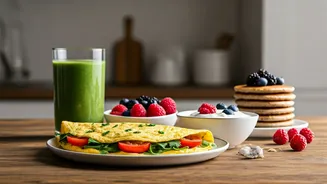





More Than Just Eggs and Bacon
The high-protein breakfast isn't new—your grandparents likely had eggs for their morning meal. What's different about this modern craze is its scale and scope. Protein is no longer just a supporting actor; it's the headline star, infused into foods that
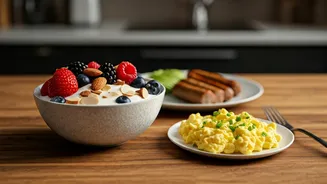
were traditionally carbohydrate-heavy. Think protein-fortified oatmeal from brands like Kodiak Cakes, high-protein cereals from Magic Spoon and Catalina Crunch, and even grab-and-go options like Starbucks' popular egg bites. The goal for many Americans has shifted from simply eating breakfast to strategically fueling their day. The target is often hitting a specific number, typically between 20 and 30 grams of protein, before noon. This has created a massive market for products that make achieving that goal convenient and, increasingly, tasty.
The Science of Feeling Full
So, why the sudden obsession? A big part of the answer lies in basic biology. Of the three main macronutrients—protein, fat, and carbohydrates—protein is widely considered the most satiating. Eating a protein-rich meal in the morning can help you feel fuller for longer, reducing the urge to snack mid-morning. This effect helps regulate appetite and can be a powerful tool for weight management. Furthermore, a protein-forward breakfast helps stabilize blood sugar levels, preventing the dramatic spikes and crashes often associated with sugary cereals or pastries. That means more sustained energy and less of that dreaded 11 a.m. brain fog. For the fitness-minded, a morning dose of protein is also crucial for muscle repair and synthesis, especially after a morning workout.
Fueled by TikTok and Convenience
While the science provides the foundation, culture and commerce are fanning the flames. Social media, particularly TikTok, has become a powerful engine for food trends. Viral recipes like "proffee" (protein powder mixed into coffee), blended cottage cheese bowls, and creative ways to use protein pancake mix have introduced millions to the concept in an accessible, visual way. At the same time, our post-pandemic lives have put a premium on both wellness and convenience. Consumers are more health-conscious than ever, but they're also time-poor. Food manufacturers have responded brilliantly. The explosion of protein bars, ready-to-drink shakes, and microwavable breakfast bowls caters directly to the person who wants the benefits of a high-protein meal without the time commitment of cooking from scratch. It’s the perfect intersection of self-improvement culture and the on-demand economy.
Is It for Everyone?
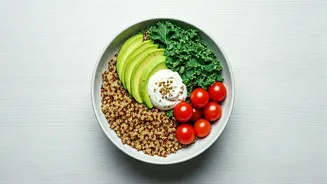
With any major trend comes the question of whether it's truly necessary—or even healthy—for everyone. While most Americans could benefit from a more balanced macronutrient intake, not everyone needs to chug a 30-gram protein shake first thing in the morning. Dietitians often caution against relying too heavily on highly processed powders, bars, and fortified snacks. The source of the protein matters. Whole foods like eggs, Greek yogurt, cottage cheese, and tofu provide not only protein but also a host of other essential vitamins and micronutrients that processed alternatives may lack. For most people, a balanced breakfast that includes a moderate source of protein—say, 15 to 20 grams from whole foods—is perfectly adequate. The key is to be mindful of marketing and focus on sustainable habits rather than chasing an ever-higher protein count fueled by supplements.