



Why This Habit Actually Matters
We diligently sort our plastics and papers, but the biggest environmental culprit in our trash can is often ignored: food scraps. In the United States, food is the single largest category of material placed in municipal landfills, where it emits methane,
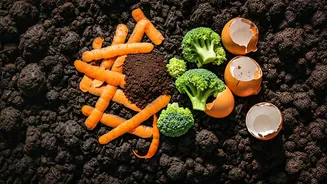
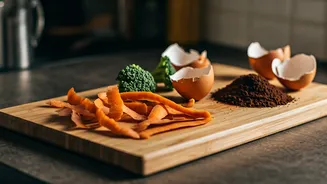
a greenhouse gas over 25 times more potent than carbon dioxide at trapping heat in the atmosphere. While recycling is important, it’s a massive industrial process far removed from our daily lives. Composting is different. It’s a direct intervention. By diverting your coffee grounds, eggshells, and vegetable peels from the landfill, you are actively preventing the creation of a powerful climate-warming gas. It’s not a symbolic gesture; it’s a tangible act with a measurable impact, turning a waste problem into a valuable resource.
From Landfill Problem to Garden Solution
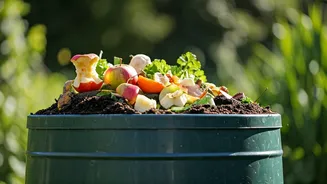
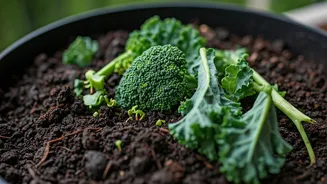
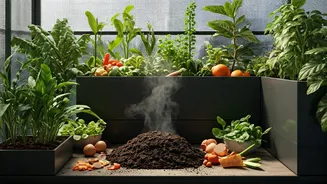
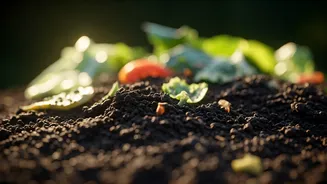
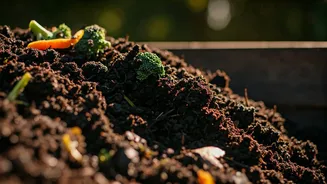
When food scraps and other organic waste are buried in a landfill, they get trapped in an oxygen-free environment. As they break down, bacteria produce methane. The Environmental Protection Agency (EPA) identifies landfills as the third-largest source of human-related methane emissions in the U.S. Composting completely flips the script. Instead of anaerobic decomposition (without oxygen), it facilitates aerobic decomposition (with oxygen), a process that produces negligible methane. The end product isn’t a pollutant but a rich, dark, nutrient-dense material—humus, or what gardeners affectionately call “black gold.” This finished compost can be used to enrich soil in parks, community gardens, or even your own houseplants, improving water retention and reducing the need for chemical fertilizers.
Finding Your Urban Composting Method
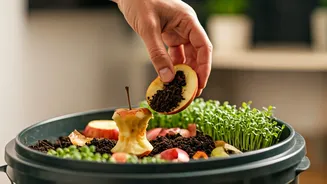
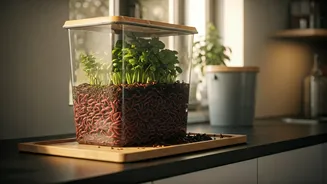
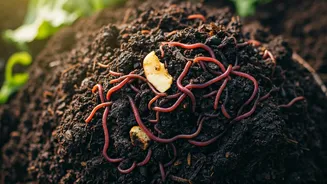
The biggest myth about composting is that you need a sprawling backyard. In reality, cities across the country are making it easier than ever. Your main options include: **Community Drop-Off:** This is the simplest starting point. Many cities and private organizations offer collection points at farmers' markets, community gardens, or designated street-side bins. You simply collect your scraps in a container in your freezer (to prevent smells) and drop them off once a week. It’s free and requires zero management. **Worm Bin (Vermicomposting):** Perfect for apartment dwellers, a worm bin is a self-contained ecosystem that can live under your sink or on a balcony. Red wiggler worms efficiently process food scraps into some of the highest-quality compost available. These systems are odorless when managed correctly and are a fascinating biological experiment in your own home. **Bokashi:** This Japanese method uses an anaerobic process (inoculated bran) to ferment food waste in a sealed bucket. It’s fast, handles items traditional composting can't (like meat and dairy), and is completely odorless. After fermentation, the material can be buried in a garden or added to a traditional compost pile.
Overcoming the Common Hurdles
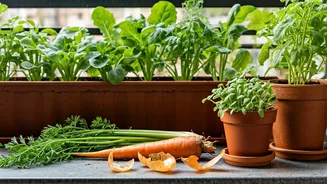
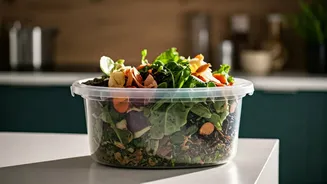
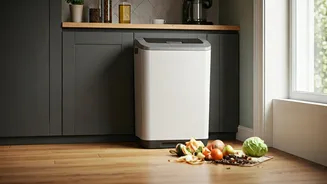
Let’s address the big three concerns: smells, pests, and space. The 'ick' factor is real, but easily managed. Storing scraps in a sealed container in your freezer is the number-one trick—it completely eliminates odors and fruit flies in your kitchen before you drop them off or add them to your bin. For indoor systems like worm bins, a proper balance of 'greens' (nitrogen-rich food scraps) and 'browns' (carbon-rich paper or cardboard) is key to an odor-free operation. If you get the ratio right, your bin will smell earthy and pleasant, not like garbage. As for space, modern solutions are designed for compact living. A small Bokashi bucket or a vertically stacking worm farm can fit into the tightest of spaces, proving that you don’t need a yard to make a difference.