
The Lone Hill Station
To understand Mount Abu’s magic, you first have to understand its context. Rajasthan, the “Land of Kings,” is India’s quintessential desert state. Cities like Jaipur, Jodhpur, and Jaisalmer are architectural marvels built to withstand blistering heat
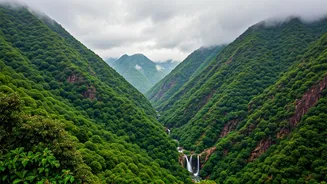
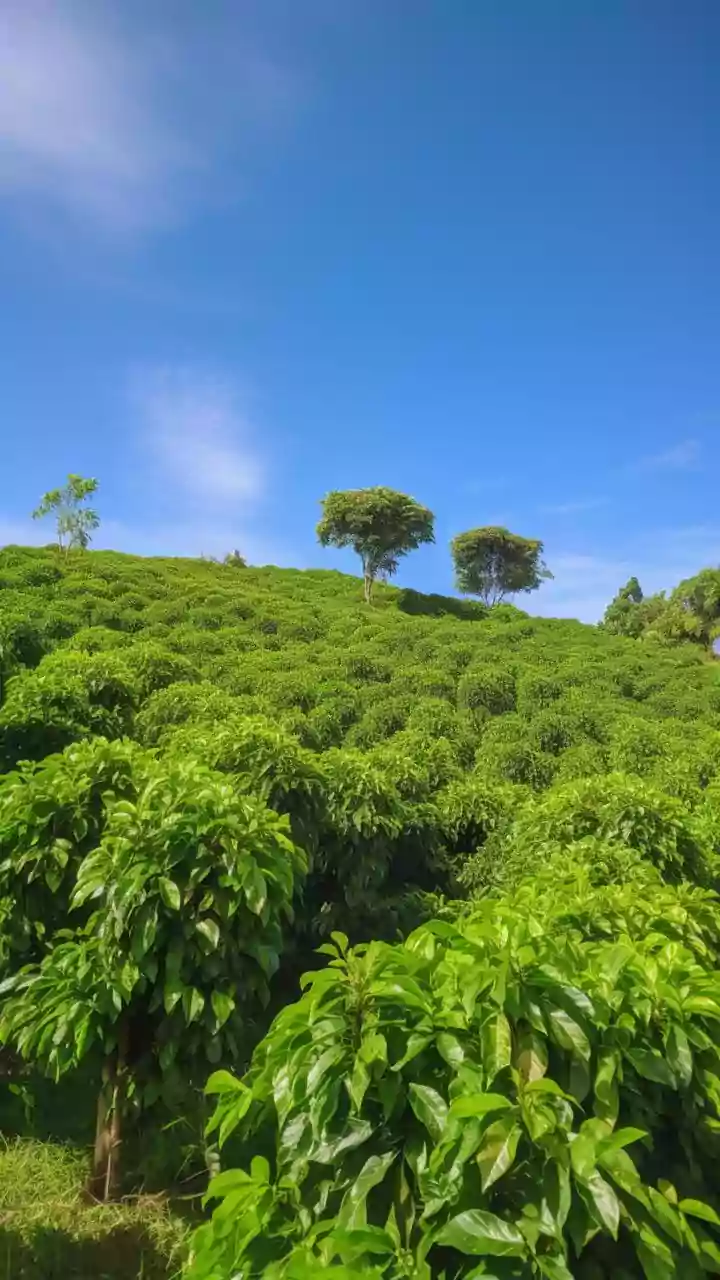
that can soar well above 110°F (43°C). Then there’s Mount Abu. Tucked away in the Aravalli Range, it’s the only hill station in the entire state. As the dusty plains give way to winding mountain roads, the temperature drops, the arid scrub turns into lush forest, and the air suddenly feels breathable. Rising to an altitude of 4,000 feet, this plateau is a geological and climatic anomaly—a verdant sanctuary that has served as a summer refuge for centuries, first for royalty and later for anyone seeking a respite from the unforgiving Rajasthani summer.
A Lake in the Clouds
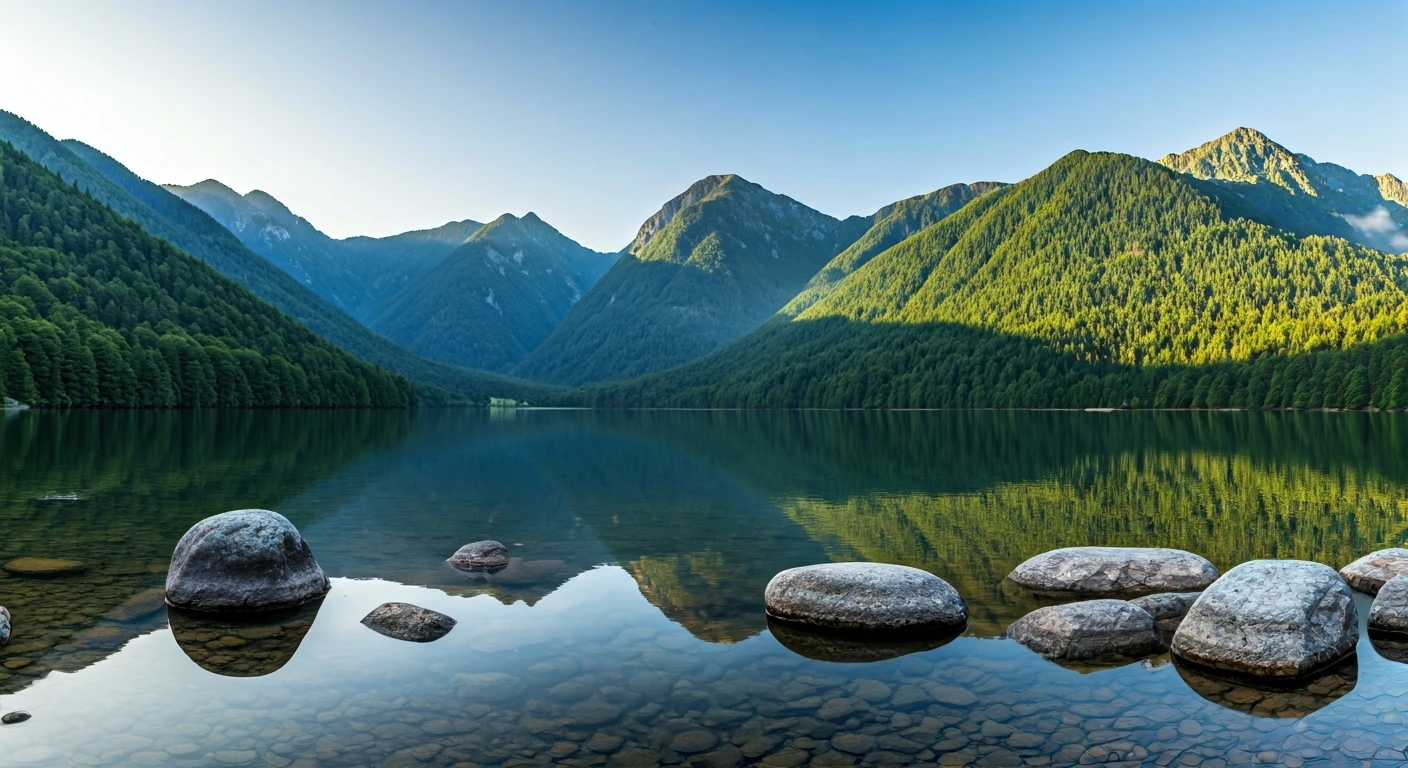
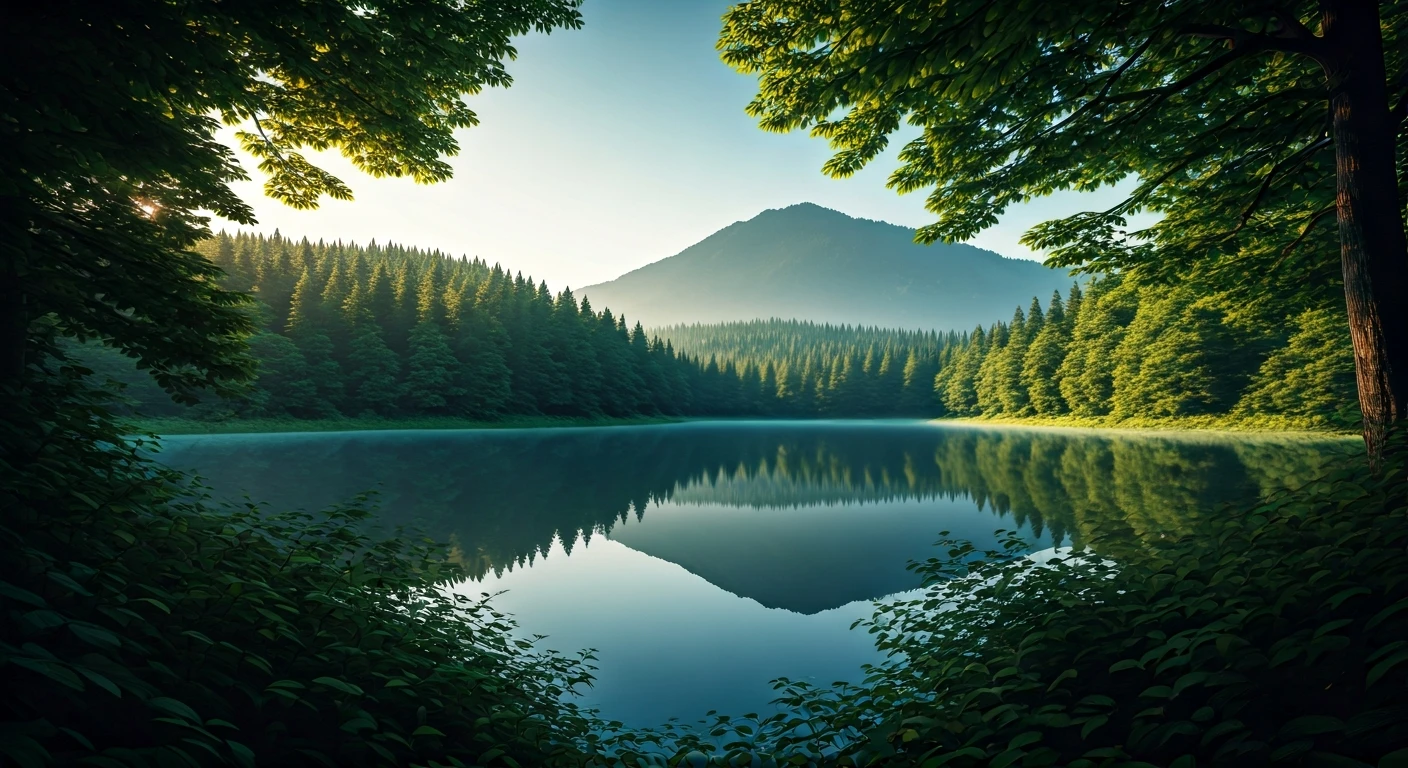
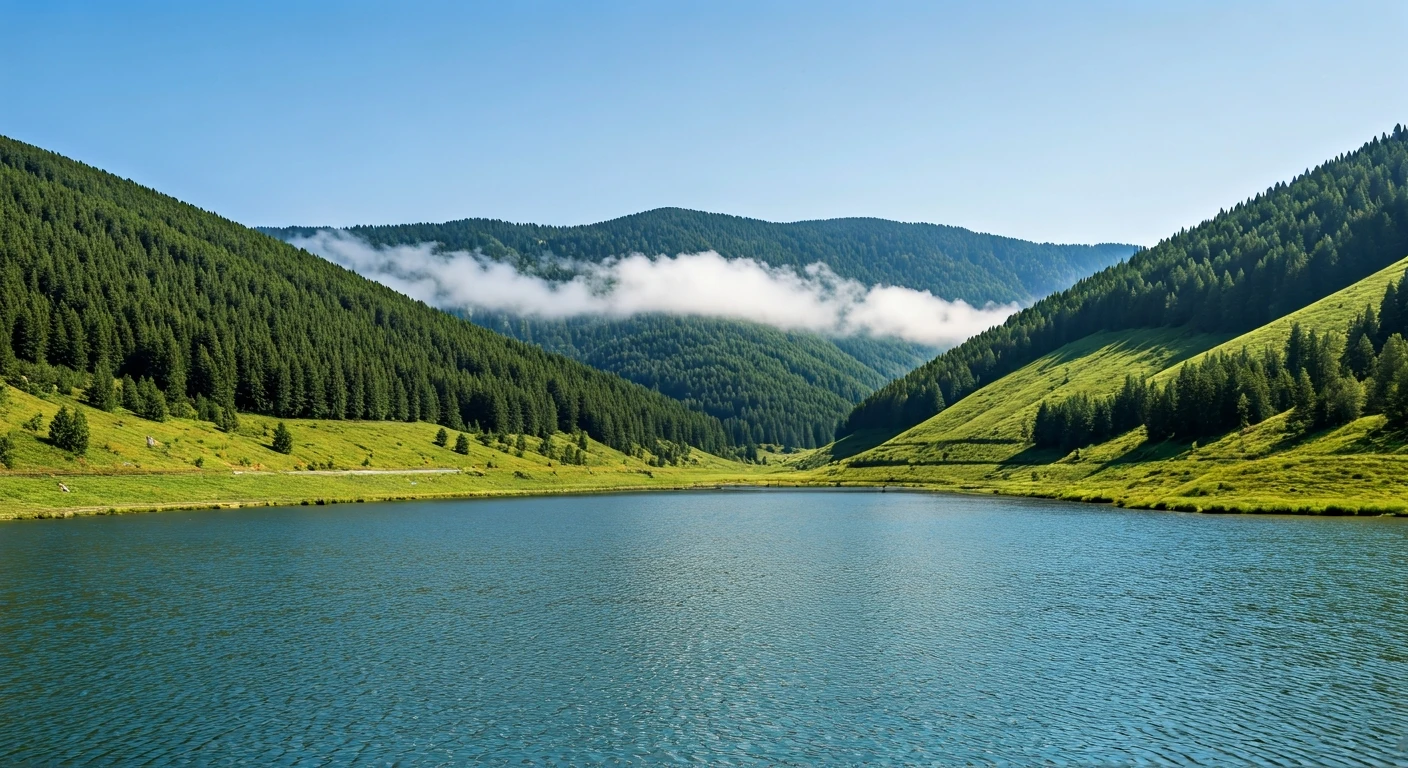
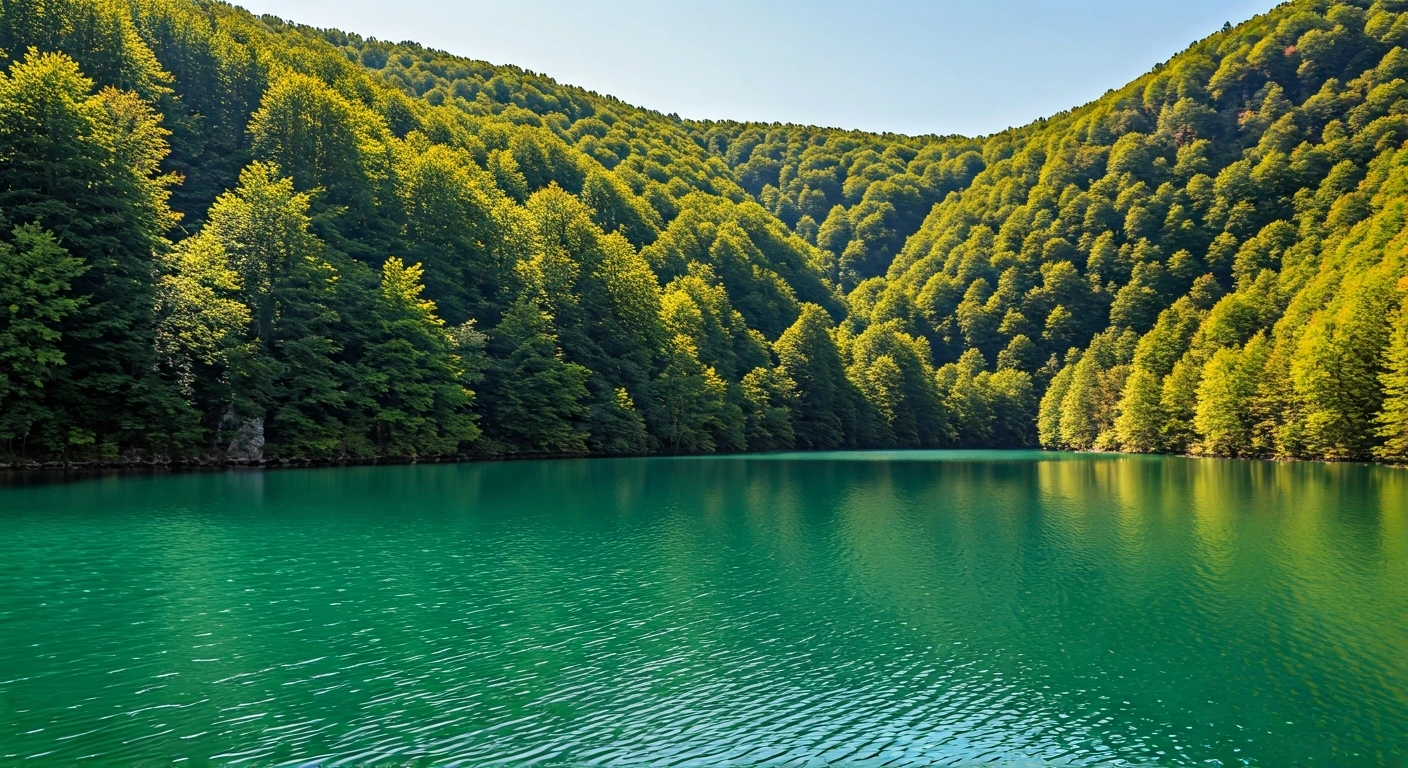
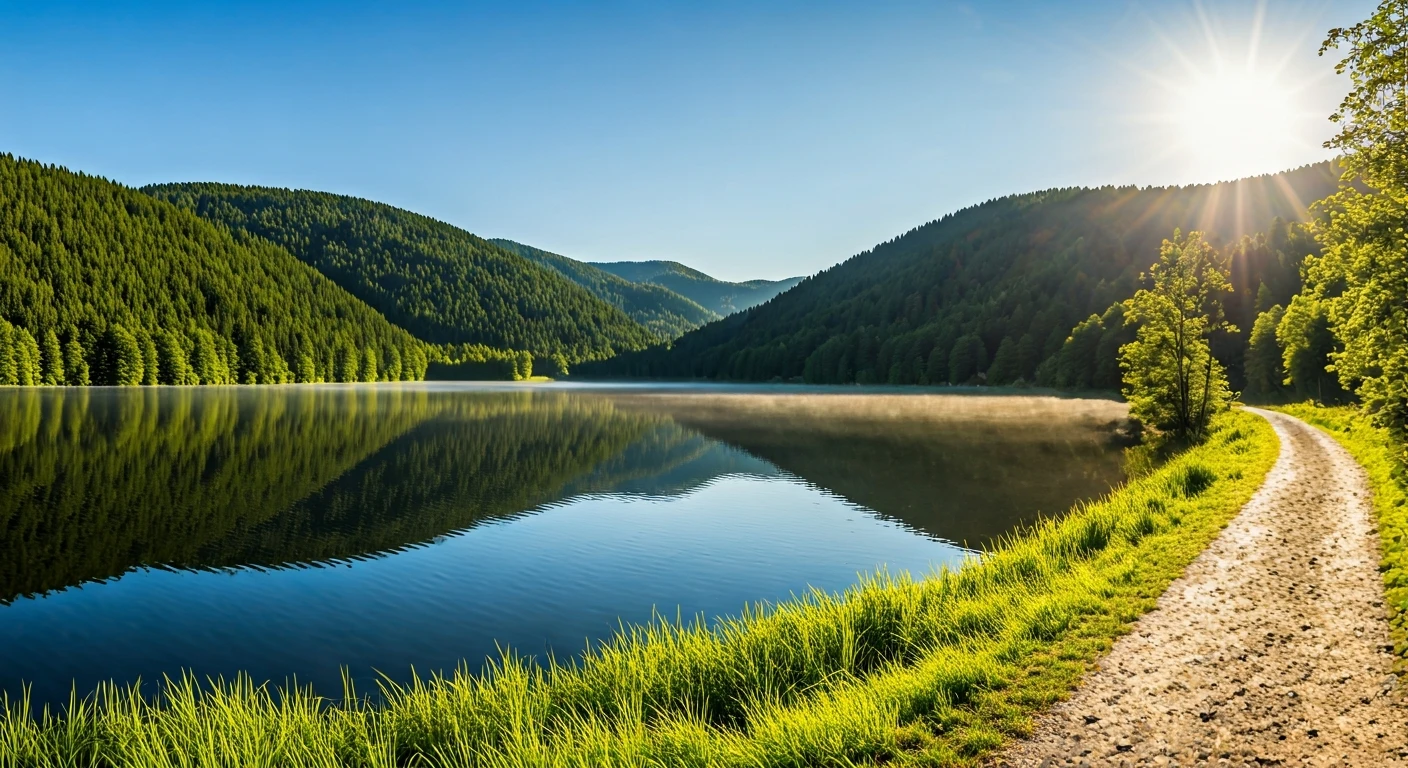
At the heart of Mount Abu lies Nakki Lake, a serene body of water that feels impossibly out of place. Local legend says it was dug by the gods with their fingernails (or *nakh*), but its real charm lies in the simple, joyful activities it fosters. On any given day, the placid water is dotted with swan-shaped paddle boats and rowboats, carrying families and honeymooning couples. The path circling the lake is a bustling promenade of walkers, vendors selling roasted corn and ice cream, and tourists simply taking in the cool breeze. Surrounded by hills and rock formations, including the famous “Toad Rock,” the lake is the town’s social and spiritual center, a place where the frantic pace of modern India slows to a gentle drift.
Poetry Carved in Marble
While the climate is the draw, the soul of Mount Abu is found within the Dilwara Temples. From the outside, these five Jain temples, built between the 11th and 13th centuries, are deceptively simple. But step inside, and you’re transported into another world. The interiors are a breathtaking spectacle of intricate marble carving, so fine and detailed that parts of the ceiling appear translucent. Every surface—from pillars to domes to doorways—is covered in elaborate sculptures of deities, mythological scenes, and geometric patterns. The artistry is considered to be among the finest examples of temple carving in the world, a testament to devotion and craftsmanship that feels both monumental and exquisitely delicate. It’s a quiet, contemplative space that commands a sense of awe, proving that Mount Abu’s appeal runs much deeper than just its temperature.
Views from the Top
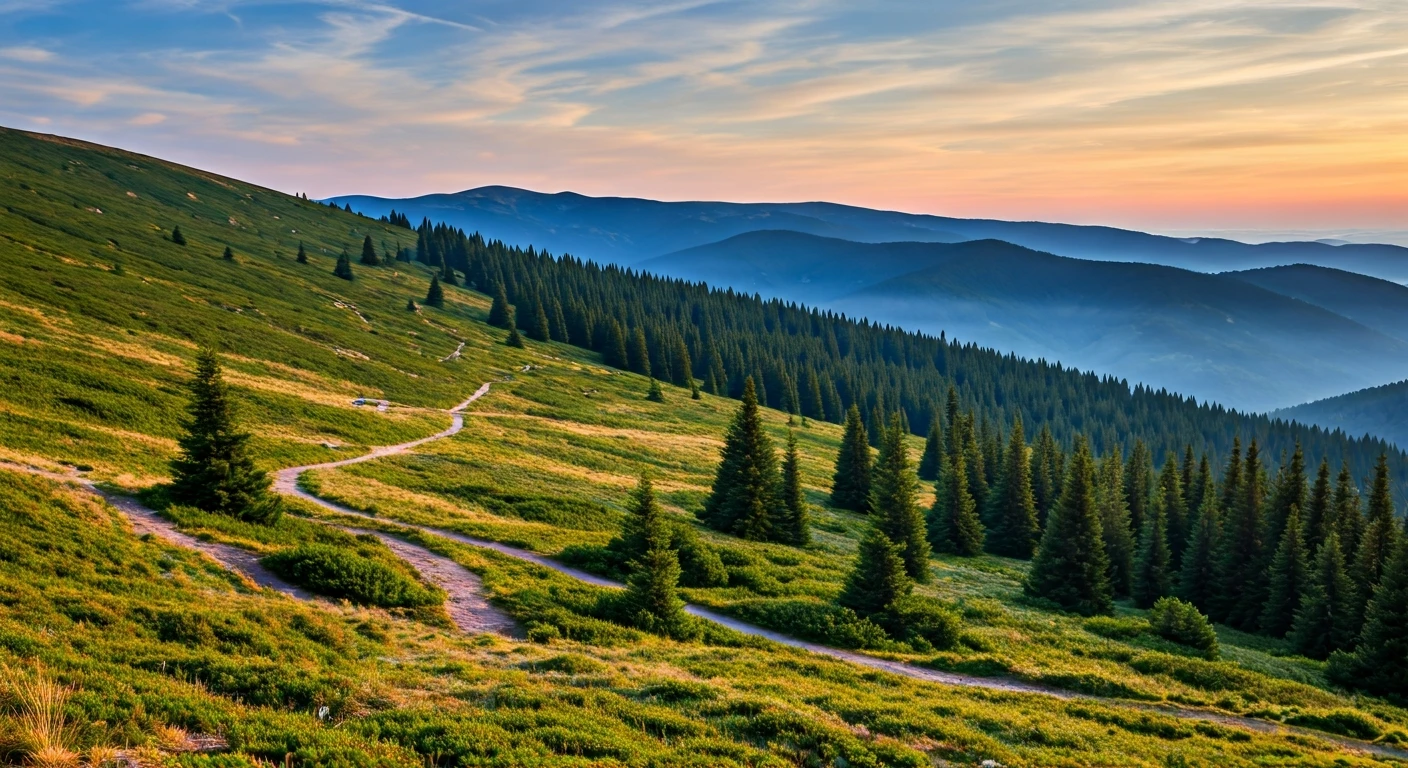
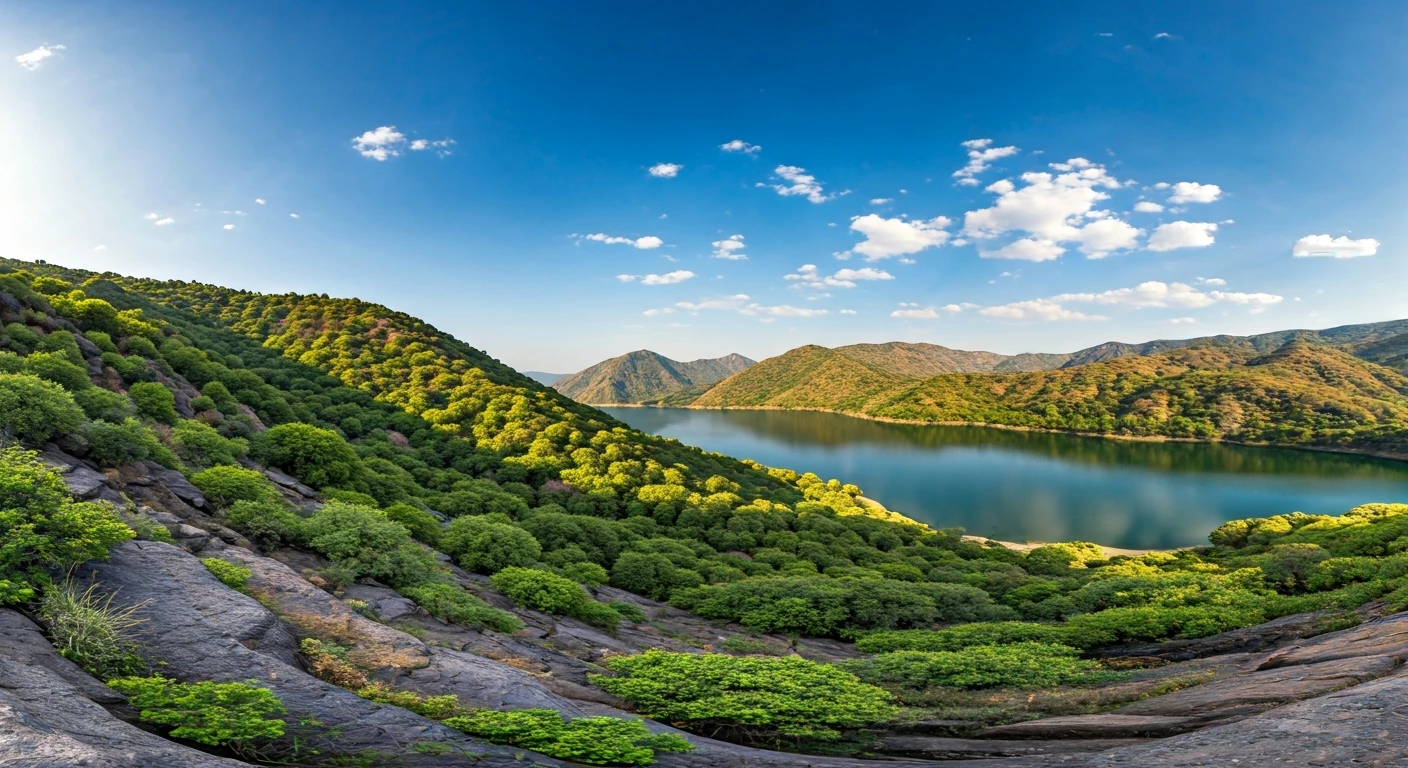
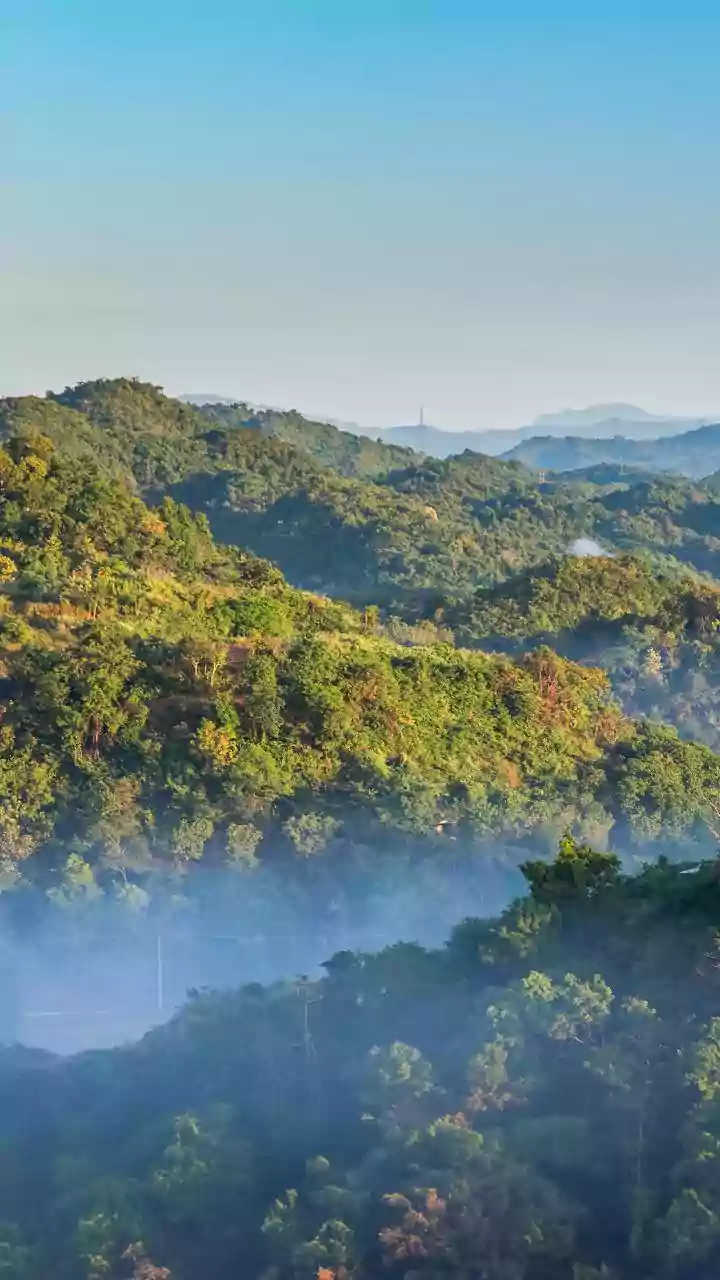
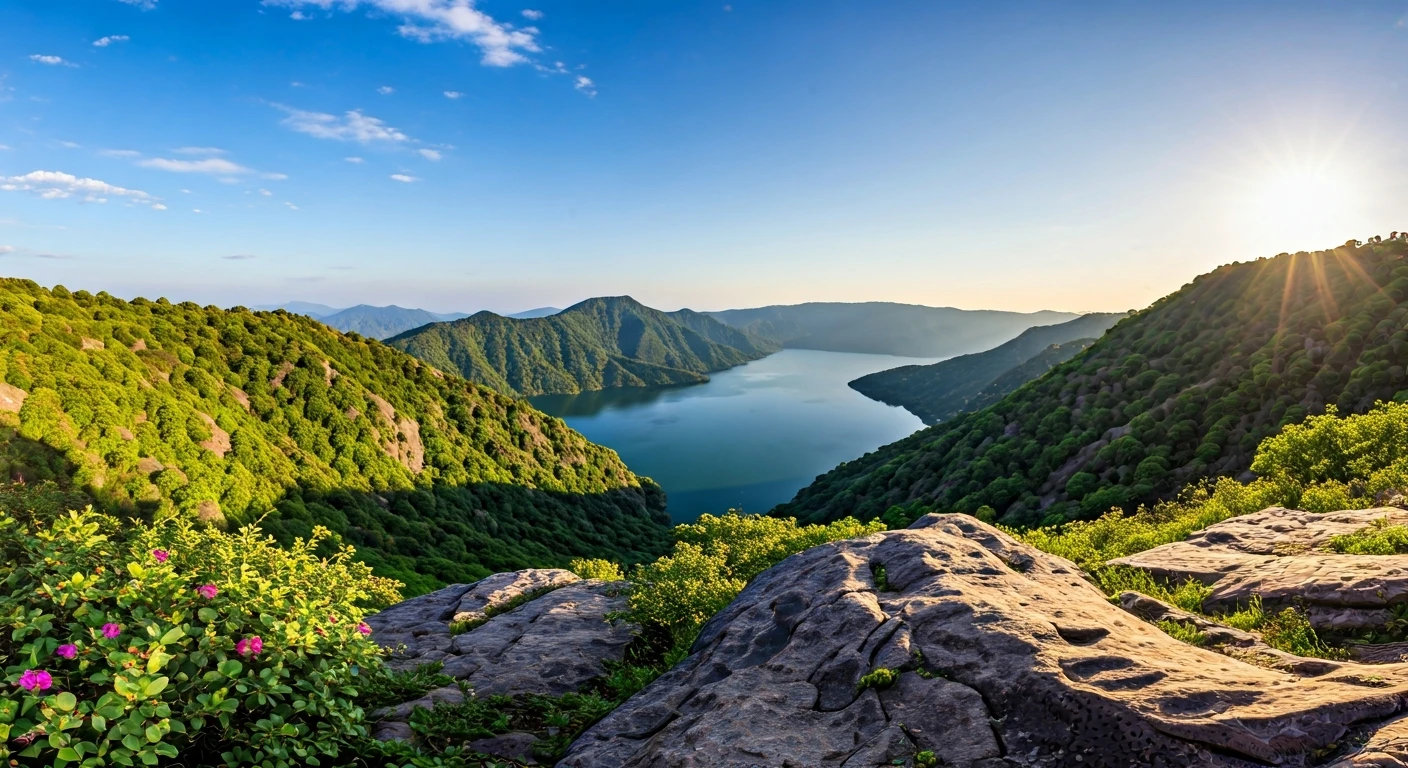
For those willing to venture a little further, Guru Shikhar offers the ultimate payoff. As the highest point in the Aravalli Range, a short drive and a few hundred steps lead you to a small temple and an unparalleled panoramic view. From this vantage point, the sheer contrast of the region is laid bare. You can see the green, rugged expanse of the hills around you, and in the distance, the hazy plains of Rajasthan stretching out to the horizon. It’s a powerful reminder of just how unique Mount Abu is. The town itself is a charmingly chaotic mix of holiday hotels, bustling bazaars selling trinkets and local sweets, and colonial-era bungalows peeking out from behind stone walls, all contributing to an atmosphere that feels a world away from the desert below.