






The Rise of the Four-Legged Stakeholder
If you’ve ever found yourself googling “dog-friendly Thanksgiving getaways” or turning down an invitation because your host’s home isn't cat-proof, you’re not alone. The American family structure has quietly been redrawn to include a new, non-voting (but
deeply influential) member. According to the American Pet Products Association's national survey, a staggering 97% of dog owners and 92% of cat owners consider their pets to be part of the family. This isn’t just a sentimental feeling; it’s a guiding principle that has fundamentally altered consumer behavior, especially around emotionally charged events like holidays. The pet has moved from the periphery of family life to its very center, transforming from a simple companion into a key stakeholder whose needs and comfort are non-negotiable.
The Holiday Travel Equation, Recalculated
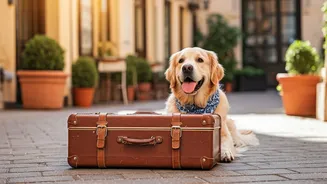
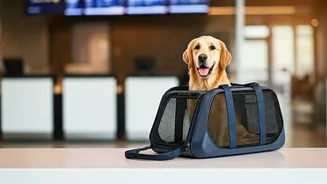
The logistical ripple effects of this shift are immense. For decades, holiday travel was a simple equation of finding the cheapest flight and a place to sleep. Now, it’s a complex matrix of pet-related constraints. A recent Forbes Advisor survey found that nearly half of all pet owners have traveled with their animal companions, and a significant number would cancel plans if their pet couldn't come along. This explains the surge in road trips over air travel, as navigating airline pet policies, crate requirements, and potential tarmac delays becomes too stressful. The destination itself is now subject to a pet-centric audit. Is there a fenced-in yard? Are local trails or beaches dog-friendly? Where is the nearest 24-hour emergency vet? Vacation rental sites like Airbnb and Vrbo have seen a boom in searches using the “pets allowed” filter, making it one of the most powerful deciders in the booking process.
An Economy Built on Pet-Centric Planning
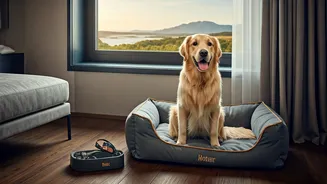
Where there’s a determined pet owner, there’s a market opportunity. The travel and hospitality industries have scrambled to cater to this powerful demographic. Hotels that once merely tolerated pets now actively court them with gourmet room-service menus, plush dog beds, and dedicated “yappy hours.” Kimpton Hotels was a pioneer, and now major chains from Hilton to Marriott have robust pet-friendly policies. But what about when travel is simply not an option? The alternative isn’t a sad goodbye at a sterile kennel anymore. A booming pet-sitting economy, led by platforms like Rover and Wag, provides in-home care, turning sitters into temporary family members who send photo updates and maintain the pet's routine. For many, spending hundreds of dollars on a trusted sitter for the holidays is now as standard as buying plane tickets, ensuring their “furry boss” is comfortable and safe at home.
Navigating the Inevitable Human Friction
Of course, this pet-centric world isn’t without its social challenges. The arrangement works beautifully when the entire extended family consists of fellow animal lovers. But conflict arises when the chosen holiday host has severe allergies, a pristine white couch, or simply doesn't appreciate a golden retriever enthusiastically greeting every guest. These situations force uncomfortable conversations and compromises. Sometimes it means the pet-owning family bows out of the main gathering, opting for a smaller celebration at their own home. Other times, it results in complex negotiations involving baby gates, allergy medication, and strict “no-pets-on-the-furniture” rules. It highlights a growing cultural divide: for some, a pet is an animal; for the majority of owners, asking them to leave their pet behind for a family holiday feels like asking them to leave a child at home.