

The Appeal of Edible Decor
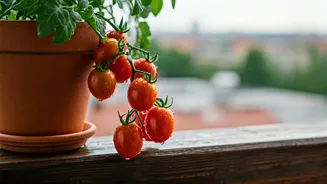
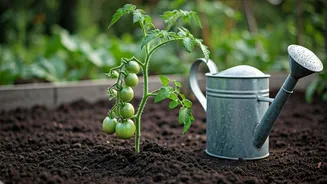
There’s a reason cherry tomatoes have become the darlings of the container gardening world. They perfectly blend form and function. Long before you get to taste a sun-warmed tomato, the plant itself is a visual treat. Bright yellow flowers give way to clusters
of green orbs that slowly blush into brilliant shades of red, orange, or even purple. As they cascade over the side of a pot or climb a small trellis, they add a touch of rustic, farm-to-table charm to even the most modern metal-and-glass balcony. Unlike some purely ornamental plants, the cherry tomato offers a dynamic, evolving beauty. It’s a living decoration that tells a story of growth and culminates in a delicious, edible reward, making your small outdoor space feel both productive and personally curated.
Choosing Your Pint-Sized Star
Not all cherry tomato plants are created equal, especially when it comes to pots. The key to success is choosing a 'determinate' or 'dwarf' variety. Unlike 'indeterminate' types that can grow into sprawling, six-foot-plus monsters, determinate plants grow to a predetermined, compact size, produce their fruit over a shorter period, and then stop. This makes them ideal for the confines of a container. Look for varieties with names that hint at their suitability for small spaces: 'Tiny Tim,' 'Patio Princess,' and 'Tumbling Tom Red' are all classic, reliable choices. These plants are bred to be bushy and manageable, putting their energy into producing fruit rather than endless vines, ensuring your balcony looks lush and tidy, not like an untamed jungle.
The Right Home for Your Plant
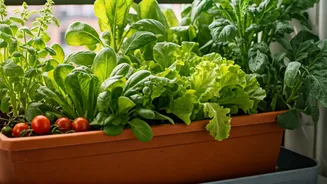
Your tomato plant's success story begins with its home. While the plants may be small, their roots need room to thrive. A common beginner mistake is choosing a pot that’s too small. For a single cherry tomato plant, select a container that is at least 5 gallons in volume (about 12 inches in diameter). This provides enough space for root growth and helps the soil retain moisture, so you aren't watering constantly on hot days. Ensure the pot has drainage holes—tomatoes hate 'wet feet.' Fill it with a high-quality potting mix, not garden soil, which is too dense and can compact in a container. A good mix will be light, airy, and formulated to retain moisture while allowing for proper drainage.
Sun, Water, and Food
Tomatoes are sun worshippers. To get those sweet, flavorful fruits, your plant needs a minimum of six to eight hours of direct sunlight per day. Before you buy a plant, observe your balcony to find its sunniest spot. When it comes to care, consistency is your best friend. Water deeply whenever the top inch of soil feels dry to the touch. In the peak of summer, this might mean watering every day. A consistent watering schedule helps prevent common issues like blossom-end rot and fruit splitting. About a month after planting, start feeding your tomato plant. A liquid fertilizer formulated for vegetables or tomatoes, applied every two to three weeks according to the package directions, will provide the necessary nutrients to support vigorous growth and a bountiful harvest.
Reaping Your Sweet Rewards
This is the moment all your patience pays off. There is nothing quite like the taste of a tomato picked straight from the vine, still warm from the sun. You’ll know your cherry tomatoes are ready when they are fully colored and have a slight give when you gently squeeze them. They should detach from the vine easily with a slight twist. Don't rush to pick them when they first show a blush of color; a few extra days on the vine deepens their sweetness and flavor. Regular harvesting also encourages the plant to produce more fruit. Enjoy them as a healthy snack, toss them into salads, or roast them with a bit of olive oil and garlic. Each bite is a sweet, juicy reminder that you don't need a huge backyard to experience the simple, profound joy of growing your own food.