



The Soil-Free Solution
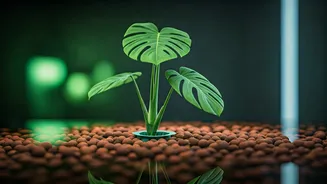
Imagine a world where repotting doesn't leave a trail of dirt across your floor and tiny, annoying fungus gnats are a thing of the past. This is the promise of semi-hydroponics, a method that swaps traditional potting soil for an inert growing medium
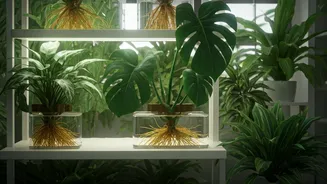
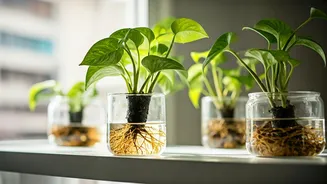
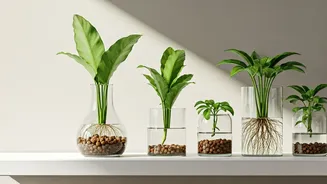
like LECA—Lightweight Expanded Clay Aggregate. These small, porous clay balls look like a chic vase filler but are a powerful tool for plant health. Instead of sitting in dense, often-soggy soil, a plant’s roots are nestled among these pebbles inside a pot. This setup provides superior aeration, preventing the root suffocation that often leads to disaster in conventional pots. The plant gets its nutrients not from the soil, but from a specially formulated nutrient water solution it can access as needed, creating a cleaner, more controlled, and surprisingly simple ecosystem right on your windowsill.
An End to Watering Guesswork
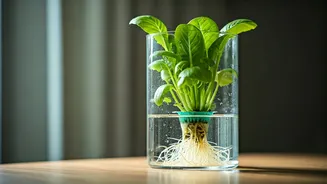
“Did I water it too much? Or not enough?” This is the silent mantra of nearly every plant owner. Semi-hydroponics largely eliminates this anxiety. The most common setup involves a netted inner pot (holding the plant and LECA) placed inside a larger, solid outer pot that acts as a reservoir. You simply fill the reservoir with a third of an inch of nutrient-rich water. The porous clay balls then wick this moisture upward to the plant's roots, allowing the plant to drink exactly what it needs, when it needs it. There’s no more guesswork. You can visually see when the water level is low, a far cry from sticking your finger into damp soil and hoping for the best. This passive system dramatically reduces the risk of root rot, the number one killer of houseplants, and frees you from the daily worry of water-logging your prized Monstera.
A Cleaner, Healthier Home Environment
The benefits of going soil-free extend beyond just the plant. Potting soil is an organic, living medium, which means it’s an ideal home for things other than your plant—namely, fungus, mold, and pests. Fungus gnats, those pesky little flies that buzz around your home, lay their eggs in the top layer of moist soil. By eliminating soil, you eliminate their breeding ground. This method is also a godsend for allergy sufferers, as it reduces the potential for mold spores that can thrive in constantly damp potting mix. Furthermore, the process of repotting is infinitely cleaner. Instead of wrestling with a dense, muddy root ball, you’re simply rinsing and rearranging lightweight clay pebbles. It’s a neater, more hygienic approach to indoor gardening that makes plant care feel less like a chore and more like a clean, calming hobby.
Making the Switch
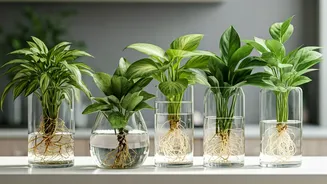
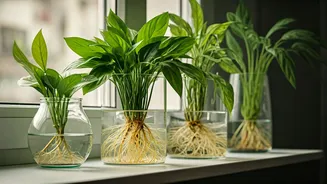
Transitioning a plant from soil to a semi-hydroponic system is a straightforward process. The most crucial step is thoroughly cleaning the plant's roots. You’ll need to gently remove every bit of soil, which can be done with a gentle stream of lukewarm water. This is vital to prevent any remaining organic matter from rotting in the new water-based environment. Once the roots are pristine, you place the plant in a net pot, carefully filling the surrounding space with pre-soaked LECA. This net pot then sits inside its reservoir, ready for its first sip of hydroponic nutrient solution. While it sounds technical, the initial setup is a one-time project for each plant. From that point on, your maintenance routine becomes a simple cycle of topping up the reservoir and, every few weeks, flushing the system with fresh water to prevent mineral buildup.