







From Avoidance to Actively Seeking
The fundamental psychology of vegetarian and vegan eating is changing. For a long time, the diet was defined by what it excluded: meat, poultry, and fish. Meals were built by subtraction. Today, for a growing number of people, it’s about addition. The new
goal isn’t just to avoid animal products but to actively build a diet around powerful plant-based protein sources. This “protein-first” mindset moves the conversation from “What can’t I eat?” to “How can I best fuel my body?” It reframes plant-based eating from a passive dietary restriction to an active, performance-oriented nutritional strategy. This shift is driven by a more mainstream understanding of nutrition, where macronutrients—protein, carbs, and fats—are part of the everyday lexicon. People aren't just going veg; they're going veg and tracking their macros.
The New Protein Pantheon
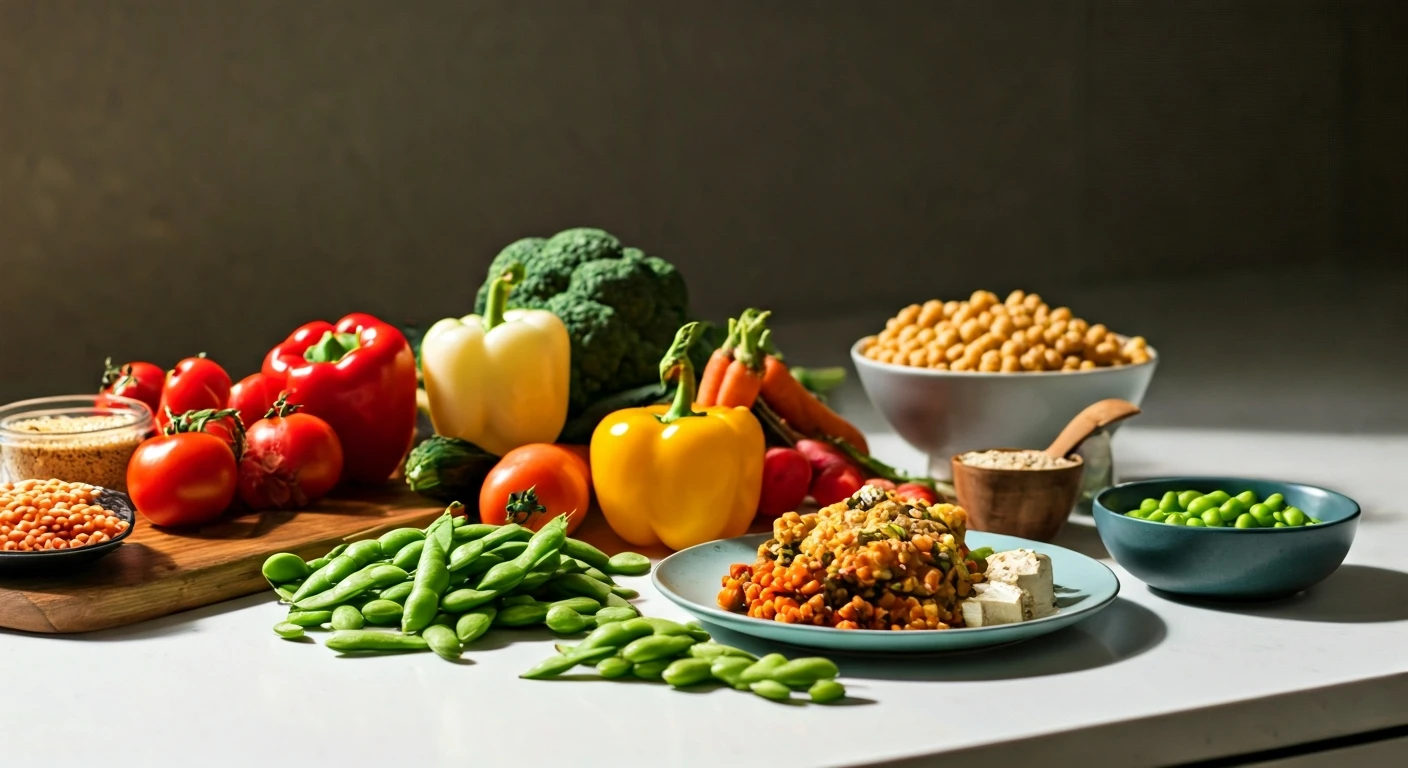
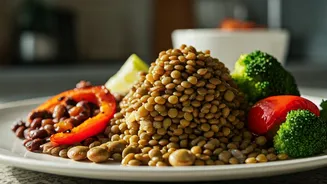
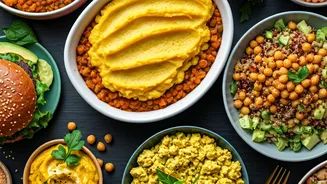
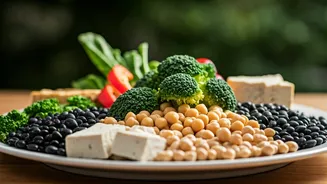
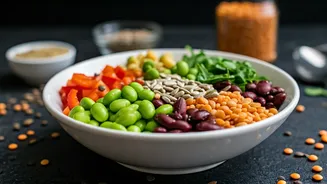
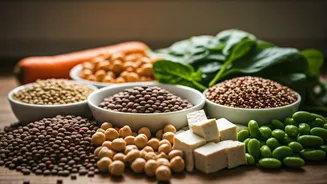
This new focus has been enabled by an explosion in the variety and quality of available proteins. While tofu, tempeh, beans, and lentils remain foundational staples, they are no longer the only options. The modern vegetarian pantry is far more diverse. Seitan, a high-protein meat substitute made from wheat gluten, has moved from niche health food stores to mainstream restaurants. Pasta and rice made from chickpeas or lentils now offer a protein-packed alternative to their traditional grain counterparts. The real game-changer has been the rise of protein isolates, particularly from peas and soy. These form the backbone of a new generation of plant-based meats that more closely mimic the texture and sizzle of the real thing, as well as protein powders that seamlessly blend into smoothies, oatmeal, and baked goods. It’s no longer a choice between a block of tofu or a can of beans; it’s a whole ecosystem of options.
How the Market Is Responding
Where consumer demand goes, the market follows. Food companies, from nimble startups to global conglomerates, have raced to meet this new, protein-hungry vegetarian. Walk down any grocery store aisle and the evidence is clear. The yogurt section features dairy-free options made from soy, almonds, and cashews, all boasting their protein content on the front of the label. The snack aisle is filled with roasted chickpeas, fava beans, and high-protein bars that look nothing like the granola bars of old. Even the freezer section has transformed, with veggie burgers being joined by plant-based chicken nuggets, fish filets, and ground “beef” that are often marketed as much for their protein grams as for their plant-based credentials. This isn’t just about creating meat analogues; it's about infusing protein into every possible corner of the diet.
The Influence of Wellness and Fitness
So, why is this happening now? The trend is a perfect storm of cultural shifts. The rise of wellness culture has put a premium on functional foods—foods that don't just fill you up but actively improve your health, strength, and vitality. Protein is seen as the ultimate functional nutrient, essential for muscle repair, satiety, and overall energy. Simultaneously, the fitness world has embraced plant-based eating. High-profile athletes have publicly discussed thriving on vegan diets, shattering the old myth that you need meat to be strong. This has given everyday fitness enthusiasts the confidence to power their workouts with plants. The result is a new archetype: the plant-based athlete or the health-conscious individual who sees their vegetarian diet not as a limitation, but as a competitive advantage.