





The Quiet Sibling of the Hills
Most travelers to northern India know Mussoorie, the bustling “Queen of Hills.” But just a steep, winding drive above it sits its quieter, more contemplative sibling: Landour. Originally a British Indian Army cantonment, Landour feels less like a tourist
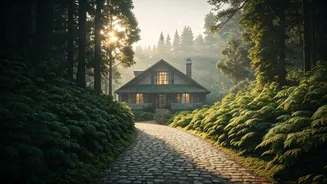
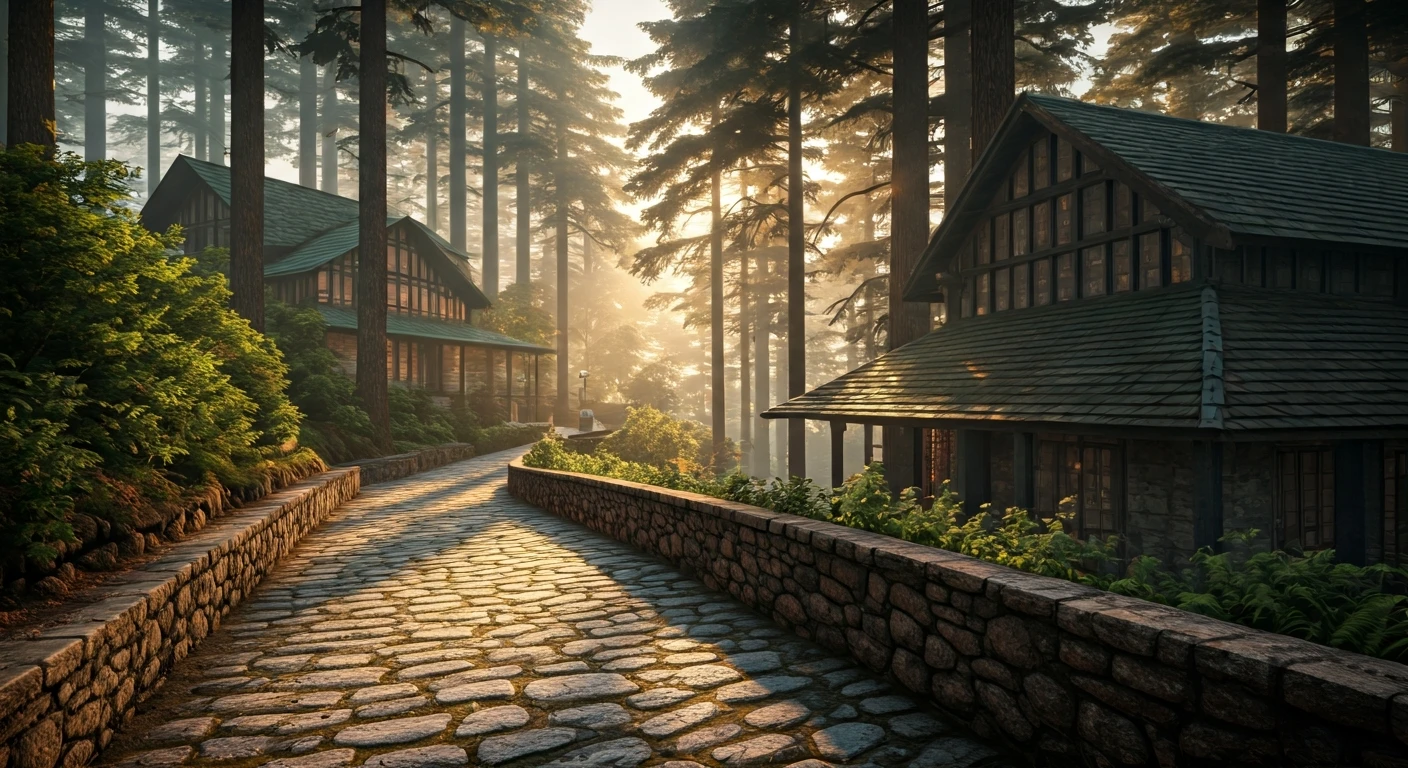
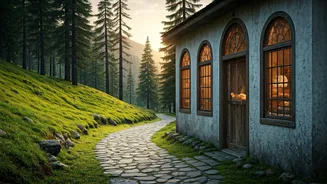
destination and more like a town preserved in amber. Time moves differently here. There are no malls, no multiplexes, and no grand attractions to check off a list. Instead, its charm lies in what it lacks. The main thoroughfares are winding, wooded paths called “chakkars” (loops), where the loudest sounds are birdsong and the distant chatter from a neighboring cottage. Lined with towering deodar pines and rhododendron trees, these roads were built for ambling, not for racing toward the next big thing. It’s this deliberate lack of pace that has long attracted writers, artists, and anyone seeking refuge from the noise of the modern world, most famously the beloved author Ruskin Bond, who has called this area home for decades.
The Art of the Bakery Walk
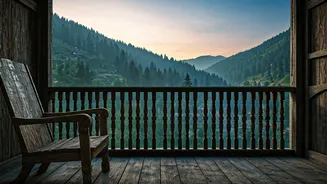
In a place that encourages slowness, daily rituals take on a special significance. The most cherished of these is the “bakery walk.” It’s not an official trail or a guided tour; it’s an organic part of life in Landour. The goal is simple: walk to a bakery. But the experience is everything. You start from your guesthouse or cottage, stepping out into the crisp mountain air. The walk itself is the main event. You’ll navigate the gentle incline of the road, pausing to admire the panoramic views of the Doon Valley below or the snow-capped Himalayan peaks on a clear day. You’ll pass colonial-era bungalows with names like “The Dingle” and “Kenilworth,” their stone walls covered in ivy. You might encounter a troop of langur monkeys lounging on a railing or a mule train ferrying supplies up the hill. The walk is an act of mindfulness, a slow-motion pilgrimage where the reward is both the journey and the destination.
A Destination Worth the Stroll
The heart of the bakery walk, and of Landour’s social life, is the Landour Bakehouse. Perched near the historic St. Paul’s Church, this establishment looks like it was plucked from a Wes Anderson film. With its vintage posters, wooden floors, and cozy nooks, it channels the spirit of the 19th-century Landour Community Centre. The menu is a tribute to classic bakery fare, perfected for the modern palate. The glass cases are filled with temptations: lemon tarts, chocolate eclairs, dense carrot cake, and buttery scones served with clotted cream and jam. But the real star, for many, is their famous sticky-jaw toffee, a local legend. Finding a seat by the window, with a warm cup of coffee and a freshly baked croissant, you can watch the mist roll in over the hills. It’s here that the purpose of the “soft escape” becomes clear: it’s about indulging in simple, high-quality pleasures, earned by a bit of gentle effort.
Beyond the Bakehouse
While the Landour Bakehouse is the anchor, the walk often includes a stop at Char Dukan, which literally translates to “four shops.” This tiny cluster of establishments has been serving locals and visitors for generations, offering everything from steaming plates of Maggi noodles to ginger-lemon-honey tea that feels like a hug in a mug. It’s a rustic, unpretentious counterpoint to the Bakehouse’s polished charm. Here, you sit on simple benches, chat with the shopkeepers, and soak in the unhurried atmosphere. The walk might also take you past Kellogg’s Church and the old cemeteries, each a quiet testament to the town’s long history. These small detours are what make the bakery walk a new adventure every time, a simple loop that contains a whole world of quiet discovery.