






The Global Craving for 'Soft Life'
Before we dive into the heart of West Bengal, let's talk about the “soft life.” If you’ve spent any time on TikTok or Instagram, you’ve likely seen it. Born from a collective burnout, it’s a conscious rejection of the relentless “hustle culture” that
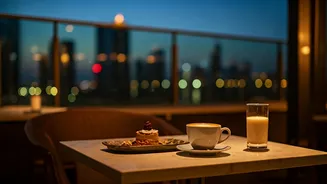
dominated the last decade. The soft life prioritizes peace, comfort, and intentional ease over nonstop striving. It’s the feeling of a lazy Sunday morning stretched into a lifestyle—think less about climbing the corporate ladder and more about watering your plants, reading a good book, and enjoying a perfectly crafted latte in a beautiful space. It's not about being lazy; it's about being gentle with yourself and curating a life that feels good, not just one that looks impressive on a resume. This global mood has found a particularly vibrant home in an unlikely place: the bustling, intellectual, and often chaotic city of Kolkata.
A New Chapter for a Historic City
Kolkata, formerly Calcutta, is known as the cultural capital of India. It’s a city of poets, filmmakers, and revolutionaries, with a rich history etched into its colonial-era architecture and winding alleyways. For decades, its coffee scene was dominated by the iconic Indian Coffee House, a no-frills institution where intellectual debates raged over simple, affordable cups. But in recent years, a different kind of space has begun to flourish. A new wave of cafés, designed with an almost cinematic attention to detail, is popping up across the city’s affluent southern neighborhoods. These aren't just places to get a caffeine fix; they are sanctuaries. They are air-conditioned oases offering a respite from the city’s sweltering humidity and a visual escape from its delightful sensory overload. They are the physical embodiment of the soft-life ethos, catering to a younger generation of Kolkatans who are fluent in global trends and eager for spaces that reflect their modern aspirations.
Inside Kolkata’s Aesthetic Escapes
So, what does this soft-life energy look like on the ground? Picture spaces like Sienna Store & Cafe, a hybrid boutique and eatery with earthy tones, handcrafted ceramics, and a menu focused on fresh, local ingredients. Imagine Roastery Coffee House, set in a sprawling heritage bungalow where the aroma of freshly roasted beans fills airy, sun-drenched rooms. These are places where the aesthetics are as important as the espresso. Think minimalist decor, abundant natural light, potted plants, clean lines, and comfortable, stylish furniture. The menus follow suit, offering not just cappuccinos and flat whites, but also artisanal sourdough toasts, colorful smoothie bowls, and decadent pastries that are unabashedly Instagram-worthy. Patrons, mostly young professionals and college students, come with laptops to work, friends to chat, or just a book for quiet company. The unspoken rule is to linger, to savor, to simply *be*.
More Than Just a Cup of Coffee
This trend is more than just a commercial boom; it’s a cultural signal. For many young urban Indians, these cafés represent a third space that is neither home nor the traditional workplace. They offer a taste of a globalized lifestyle that feels both aspirational and accessible. In a society that can often place immense pressure on academic and professional achievement, choosing to spend an afternoon in a beautiful café is a small but significant act of self-care. It’s a quiet assertion of the right to rest, to enjoy simple pleasures, and to prioritize well-being. These cafés are where a universal, digitally-driven trend like the “soft life” gets its unique local accent. It's not a carbon copy of a Brooklyn or Los Angeles coffee shop, but something distinctly Kolkatan—a blend of modern aesthetics and the city's enduring love for leisurely, thoughtful conversation, or *adda*.