


The 'Launchpad Effect' of Visibility
For decades, the story of American space exploration felt like a history lesson, centered on the Apollo-era triumphs of the 1960s. Today, it’s a live event. The sheer visibility of the modern space race has created a powerful gravitational pull on young
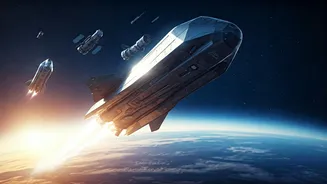
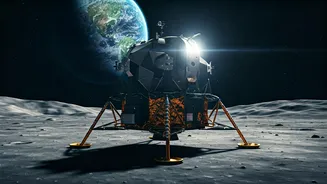
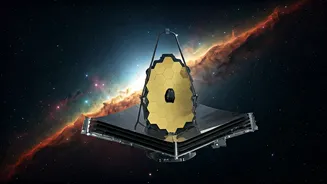
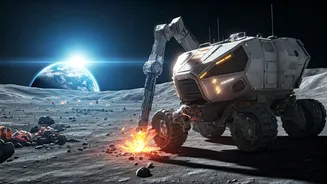
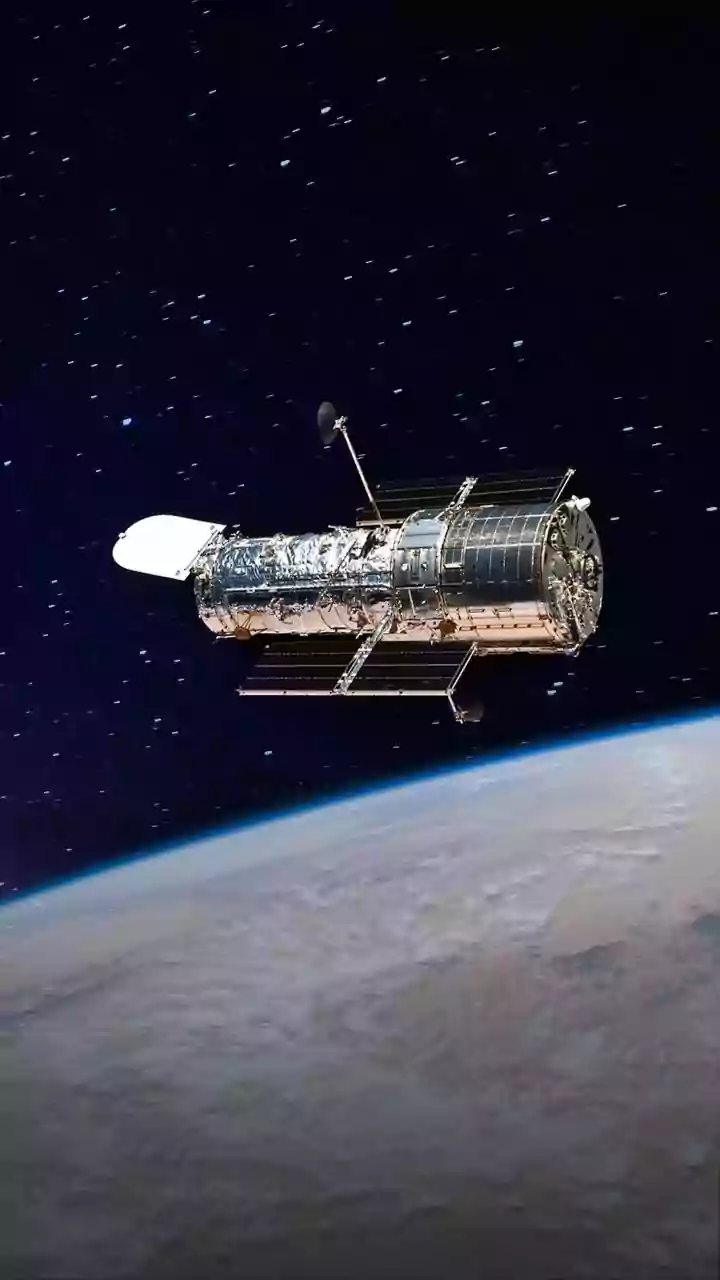
minds. Weekly rocket launches by private companies like SpaceX, streamed live to millions on YouTube, have turned orbital mechanics into spectator sport. These aren't grainy black-and-white videos; they are high-definition spectacles of reusable boosters landing with sci-fi precision. Simultaneously, NASA’s ambitious missions have captured the public imagination in a way not seen in a generation. The Artemis program, with its goal of returning humans to the Moon, provides a grand, unifying narrative. Meanwhile, the James Webb Space Telescope delivers breathtaking images from the dawn of the universe directly to our social media feeds. This constant stream of awe-inspiring content acts as a powerful, free-of-charge recruitment campaign for STEM, making a career in space feel not just possible, but incredibly cool.
Enrollment Numbers Reach for the Stars
This wave of excitement is translating into hard numbers in university admissions offices. Across the country, aerospace engineering and astrophysics programs are reporting significant surges in applications and enrollment. While comprehensive national data takes time to compile, individual universities serve as compelling barometers. Institutions like Purdue University, the 'Cradle of Astronauts,' have seen their aerospace programs become more competitive than ever. Other top engineering schools report similar trends, with space-related disciplines becoming a primary draw for top-tier high school graduates. This isn't just a phenomenon at elite research universities. Community colleges are expanding their technician programs for aerospace manufacturing, and even high school clubs dedicated to rocketry, coding for satellites, and astronomy are seeing record participation. The interest is trickling down, creating a deeper and wider talent pipeline. Students aren’t just dreaming of being astronauts; they're actively choosing the educational paths to become the engineers, scientists, and technicians who will get us there.
The New Space Gold Rush
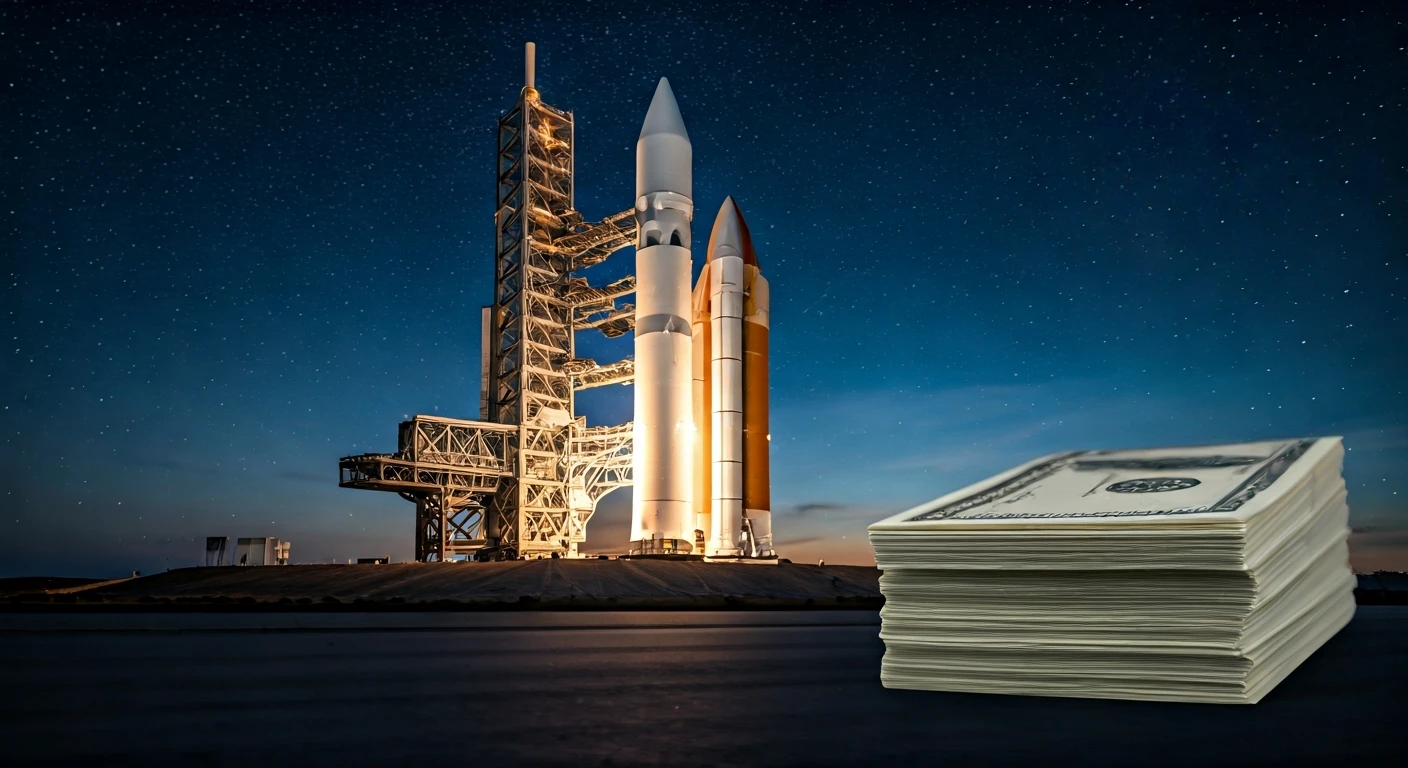
Behind the student enthusiasm is a powerful economic driver: the explosive growth of the commercial space industry. For previous generations, a career in space largely meant one employer: NASA. Today, the landscape is a bustling ecosystem of hundreds of companies. This 'New Space' economy, valued at over half a trillion dollars and growing, has created a voracious appetite for talent. Students see a clear and lucrative career path. Beyond giants like SpaceX and Blue Origin, there are countless startups working on everything from satellite internet constellations and asteroid mining to space tourism and in-orbit manufacturing. This diversification of opportunity means a degree in aerospace isn't a long-shot bet on a government contract; it's an entry ticket to a dynamic, well-paying industry. The promise of working on cutting-edge technology—and earning a competitive salary while doing so—is a pragmatic and powerful motivator that complements the sheer inspiration of space exploration.
More Than Just Rocket Science
The boom in student interest extends far beyond engineering. As the space domain becomes more integrated into our economy and society, the industry's needs are diversifying. This has created exciting new pathways for students in a wide range of fields. The growing body of space law requires sharp legal minds to navigate orbital debris, resource rights on the Moon, and international treaties. Space-focused venture capital needs finance experts who understand the unique risks and rewards of the sector. Furthermore, questions about the long-term effects of space travel on the human body are creating demand for biologists and medical researchers. Ethicists are needed to guide discussions about planetary protection and the militarization of space. Even artists and designers are finding roles, tasked with visualizing complex data or designing habitats for Mars. This broadening of the field makes space accessible to a wider array of talents and interests, reinforcing the idea that everyone has a role to play in humanity's future off-world.