

The Soil-Free Revolution
The biggest mess-maker in indoor gardening has always been the dirt itself. It’s heavy, can harbor pests like fungus gnats, and makes repotting a major chore. Enter the soil-free movement, led by hydroponics and its simpler cousin, semi-hydroponics. At
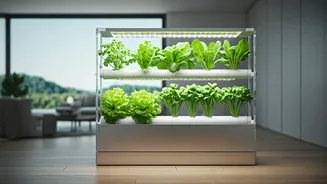
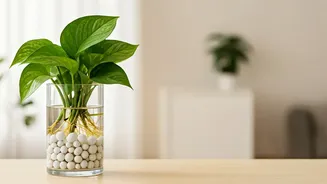
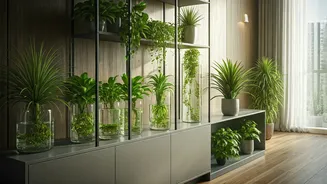
its core, hydroponics is the practice of growing plants in water fortified with mineral nutrient solutions. Instead of roots searching through soil for sustenance, they get it delivered directly. For home growers, this often takes the form of compact, vertical systems where plants sit in small pods with their roots dangling in a nutrient-rich water reservoir. A more accessible entry point is the use of LECA (Lightweight Expanded Clay Aggregate). These small, porous clay balls replace soil in a pot. You place your plant’s roots among the pebbles and keep a reservoir of water at the bottom. The clay wicks moisture up to the roots as needed. The benefits are immediately obvious: no soil means no soil-borne pests, less risk of root rot from overwatering, and a cleaner, more minimalist aesthetic. It’s a game-changer for anyone tired of battling those tiny, annoying black flies around their fiddle-leaf fig.
Planters with a Brain
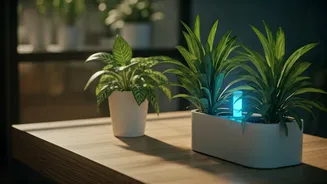
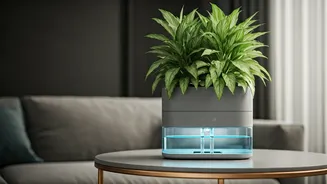
For many, the number one plant-killer is human error—specifically, forgetting to water, or watering way too much. Smart planters tackle this head-on by essentially giving your pot a brain. These devices range from simple to highly complex, but most operate on a similar principle: a built-in water reservoir and a wicking system that allows the plant to drink only when it’s thirsty. Basic self-watering planters have been around for a while, but the new generation is far more sophisticated. Many now include easy-to-read water level indicators that tell you exactly when it's time for a refill, removing all the guesswork. Some higher-end models connect to a smartphone app via Bluetooth or Wi-Fi. These apps can send you a notification when the reservoir is low, and some even collect data on your plant’s moisture needs, helping you learn its specific habits. It’s the ultimate tool for the forgetful but well-intentioned plant owner, ensuring your leafy friends get a consistent supply of water without ever becoming waterlogged.
The All-in-One Indoor Garden
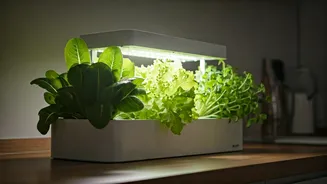
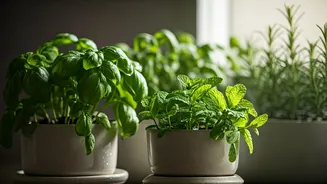
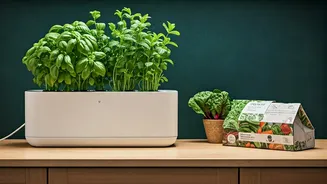
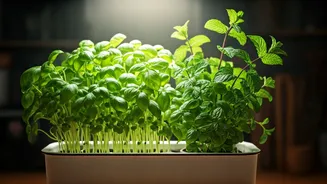
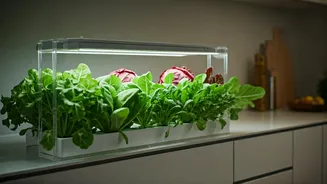
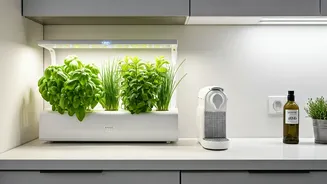
If a smart pot is like hiring a part-time assistant for your plant, the all-in-one indoor garden is like installing a full-service botanical butler. Systems from brands like Click & Grow and Gardyn have become wildly popular, especially for those wanting to grow herbs, leafy greens, or flowers indoors, regardless of natural light. These self-contained units handle everything. They typically feature a large water tank, a pump to circulate it, and integrated, full-spectrum LED grow lights that operate on an automatic timer. You simply pop in pre-seeded plant pods (which often contain a “smart soil” with built-in nutrients), fill the tank with water, and plug it in. The system manages the light cycles and hydration automatically. It’s an almost foolproof way to get a farm-to-table experience in a tiny studio apartment, providing fresh basil for your pasta or crisp lettuce for a salad, with minimal effort required. They’re not just functional; their sleek, often vertical designs turn your personal produce section into a living piece of art.
Smarter Sustenance, Cleaner Kitchens
The intelligence upgrade extends beyond just watering and light. The very nutrients plants consume are getting a modern overhaul. Many hydroponic and pod-based systems use pre-packaged, perfectly balanced liquid or solid nutrients, eliminating the messy and often confusing process of mixing fertilizers. This ensures your plants get the ideal blend of nitrogen, phosphorus, and potassium without you needing a degree in horticulture. Even the concept of soil itself is being re-engineered. Countertop electric composters, for instance, can take your kitchen scraps—from coffee grounds to banana peels—and transform them into a dry, nutrient-dense, and odor-free “dirt” in a matter of hours. This creates a closed-loop system in your home: food waste becomes supercharged food for your houseplants. It’s a cleaner way to handle organic waste and a smarter way to feed the plants that don’t live in a high-tech hydroponic setup, bringing a dose of sustainable tech to even the most traditional pots.