





The Rise of a Modern Necessity
So, what changed? In short, we did. And so did our gear. The modern traveler is rarely without a smartphone, a tablet, noise-canceling headphones, a portable charger, and maybe even a laptop or a pricey camera. These items represent hundreds, if not thousands,
of dollars in delicate electronics that are famously allergic to water. A single, unexpected cloudburst while sightseeing, a tipped drink by the pool, or a leaky water bottle inside your daypack can spell disaster. Waterproof bags have evolved from bulky, rubberized sacks for rafting trips into a diverse category of sleek, practical, and stylish accessories. They offer peace of mind, transforming weather from a potential trip-ruiner into a minor inconvenience. They are the insurance policy you didn't know you needed, protecting your most valuable and essential travel companions from the elements.
For the Urban Explorer: The Daily Commute Armor
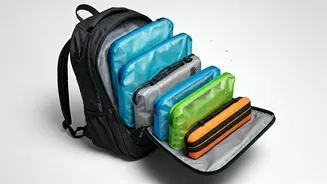
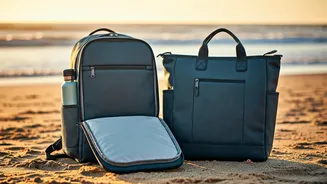
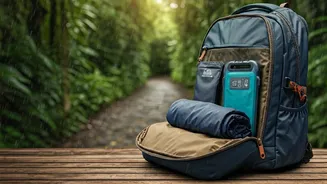
You don't need to be scaling a mountain to need water protection. For the city-hopper or business traveler, the biggest threat is often a surprise rainstorm between the hotel and a meeting. Look for a waterproof or highly water-resistant backpack. These bags often feature coated zippers, welded seams, and water-repellent fabrics like TPU-laminated nylon that cause rain to bead up and roll off. Unlike a traditional backpack that will get saturated in minutes, these bags give you a crucial window to find shelter without soaking your laptop, documents, and chargers. They look just like regular stylish backpacks but have the hidden superpower of keeping your mobile office safe and dry, making them perfect for navigating unpredictable urban weather.
For the Beach and Pool Lounger: The Splash-Proof Sentinel
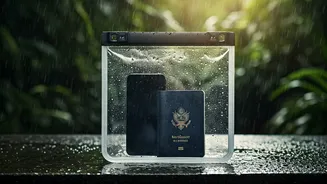
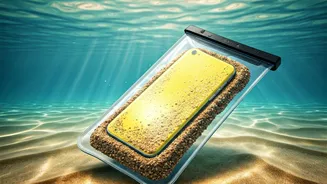
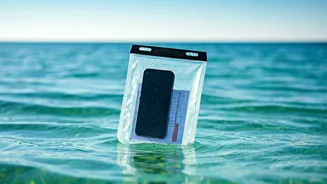
A day by the water is supposed to be relaxing, but it’s often a low-grade-stress exercise in keeping your phone and wallet away from sand, splashes, and sunscreen-smeared hands. This is where waterproof pouches and totes shine. A small, clear pouch with an IPX8 rating (we’ll get to that) allows you to use your phone's touchscreen while it’s safely sealed inside—perfect for taking photos or changing playlists without risk. For the whole family’s gear, a larger waterproof tote or a 20-liter dry bag is a game-changer. You can toss in towels, books, speakers, and snacks, roll down the top, and know that everything inside is safe from both a rogue wave and an errant cannonball splash.
For the True Adventurer: The Submersible Fortress
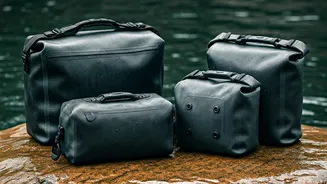
For those whose travels involve kayaks, paddleboards, or monsoon-season treks, a standard water-resistant bag won't cut it. You need a true dry bag. These are the workhorses of the waterproof world, designed for full submersion. They are typically made from heavy-duty PVC or vinyl and feature a classic roll-top closure. The magic is in the design: you roll the top down at least three times and clip it shut, creating an airtight and completely watertight seal. They come in sizes ranging from a tiny 2-liter bag for your essentials to massive 60-liter duffels that can hold a weekend's worth of camping gear. When you absolutely, positively cannot have your gear get wet, this is the only real option.
Decoding the Lingo: What to Look For
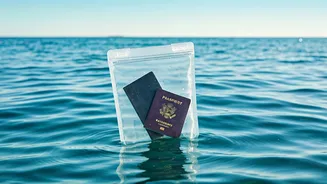
Shopping for these bags can be confusing. Here’s a quick primer. "Water-resistant" means it can handle light rain or splashes but will fail if submerged or exposed to heavy, sustained downpours. "Waterproof" means it provides a complete barrier to water. The gold standard for waterproofing is the IP (Ingress Protection) rating. It’s often written as IPX7 or IPX8. The 'X' means it wasn't tested for dust, and the final number indicates water protection. IPX7 means the item can be submerged in 1 meter of water for 30 minutes. IPX8 means it can be submerged deeper and longer, per the manufacturer's specs. For dry bags, the key feature is the "roll-top" closure, which is the most reliable way to create a watertight seal.