
Beyond the Usual Suspects
For years, the story of fermented foods in America has been told through a handful of globally recognized stars. We’ve learned to love the fizzy tang of kombucha, the spicy crunch of kimchi, and the sour complexity of sauerkraut. But the world of fermentation
is vast, and the wellness spotlight is finally panning to the rich, diverse, and deeply traditional ferments of the Indian subcontinent. Driven by a new generation of chefs, food bloggers, and health-conscious eaters proud of their heritage, Desi foods like dahi, dosa, and kanji are being recognized not as a 'new' trend, but as a timeless tradition whose moment for global appreciation has arrived. This isn't just about discovering new flavors; it's about understanding that the principles of gut health and mindful eating have been staples in other cultures for centuries.
The Grandmother of Gut Health
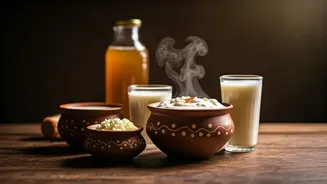
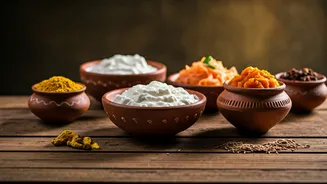
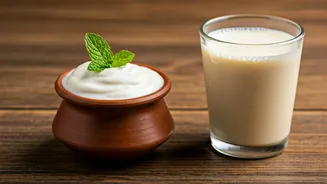
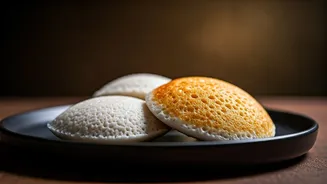
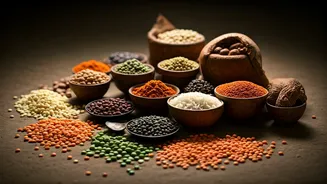
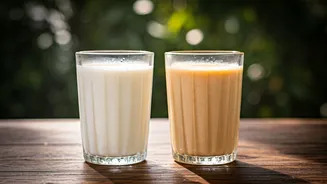
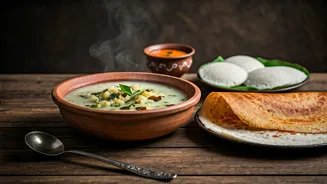
Long before 'probiotic' was a buzzword, it was simply a way of life in countless South Asian homes. Fermentation wasn't a health fad; it was a practical and flavorful method of preservation and a cornerstone of daily meals. Think of dahi (yogurt), a fixture on nearly every dinner table, used to cool the palate, aid digestion, and serve as the base for countless dishes like raita and lassi. Or consider idli and dosa, the beloved South Indian breakfast staples made from a fermented batter of rice and lentils. The fermentation process isn't just for preservation; it unlocks nutrients, making them easier for the body to absorb, and creates a signature tangy flavor and fluffy texture. These foods were developed for survival, flavor, and nourishment, with the 'wellness' benefits being an intrinsic, unspoken part of the package.
Meet the Power Players
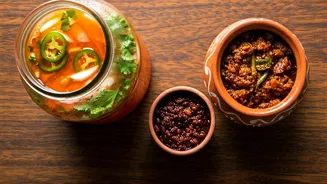
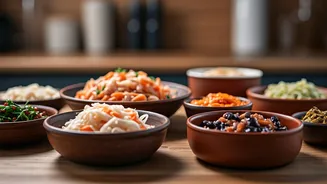
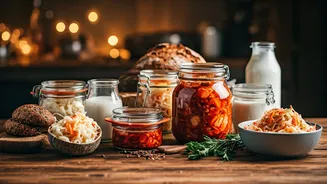
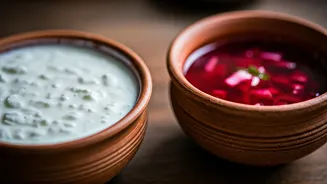
So, what should you be looking for? Dahi is the gateway. This homemade yogurt is tangier and more complex than most store-bought varieties and is the foundation of the cooling mango lassi you know and love. Then there's achaar, the intensely flavored Indian pickles. Unlike the vinegar-brined cucumbers of the West, many traditional achaars are fermented in salt and their own juices with a potent mix of spices, creating a condiment bursting with umami and beneficial bacteria. For the more adventurous, there's kanji, a vibrant, purple-hued drink made from fermenting black carrots and beets with mustard seeds. It's earthy, sour, and salty—a traditional springtime drink in North India often consumed to aid digestion after rich winter meals. Each spoonful or sip is a direct link to a culinary history that has always prioritized gut-friendly practices.
A Cultural Reclaiming
The resurgence of these foods is about more than just health. It represents a powerful cultural reclaiming. For many second- and third-generation South Asians in the U.S., foods that were once a source of lunchroom anxiety are now a badge of honor. Sharing recipes for their grandmother's achaar or perfecting a fermented dosa batter on Instagram is a way to connect with their heritage and share it with the world on their own terms. Chefs and entrepreneurs are opening restaurants and launching brands that celebrate these traditions, moving them from the home kitchen to the mainstream market. This trend isn't about the West 'discovering' these foods; it’s about the diaspora proudly centering them, educating a new audience on the complexity, history, and deliciousness of a culinary tradition that has been perfecting fermentation for millennia.