
1. Start with the 'Unkillables'
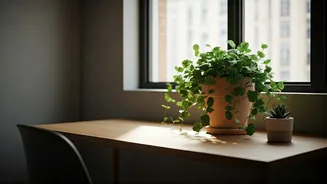
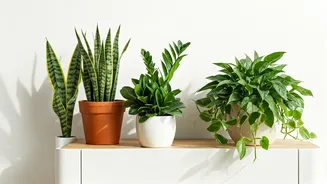
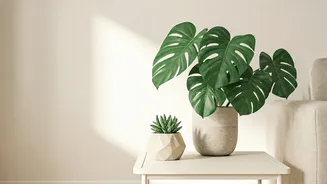
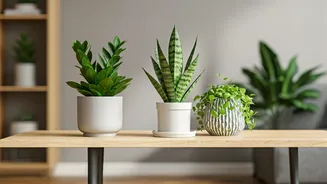
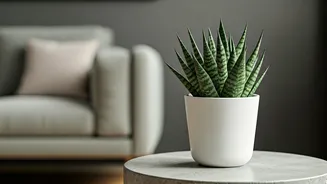
The first rule of renter-friendly gardening is to set yourself up for success. This isn't the time to experiment with a finicky fiddle-leaf fig. Instead, turn to the holy trinity of nearly indestructible houseplants: the Snake Plant (Sansevieria trifasciata),
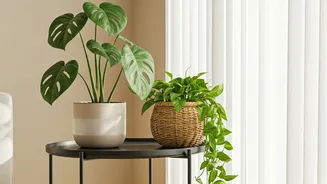
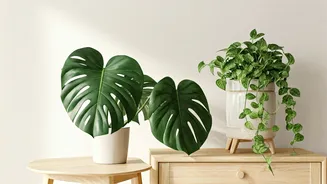
the ZZ Plant (Zamioculcas zamiifolia), and the Golden Pothos (Epipremnum aureum). Why are they perfect for renters? They tolerate a stunning range of conditions. The Snake Plant and ZZ Plant are famous for handling low light, making them ideal for interior rooms or apartments with north-facing windows. All three are drought-tolerant, meaning they’ll forgive you if you forget to water them for a week (or three) during a busy spell. The Golden Pothos is especially rewarding, as its trailing vines grow quickly, giving you a sense of lushness in a short amount of time. Starting with these confidence-builders means you get the green look without the constant stress.
2. Go Vertical (Without a Drill)
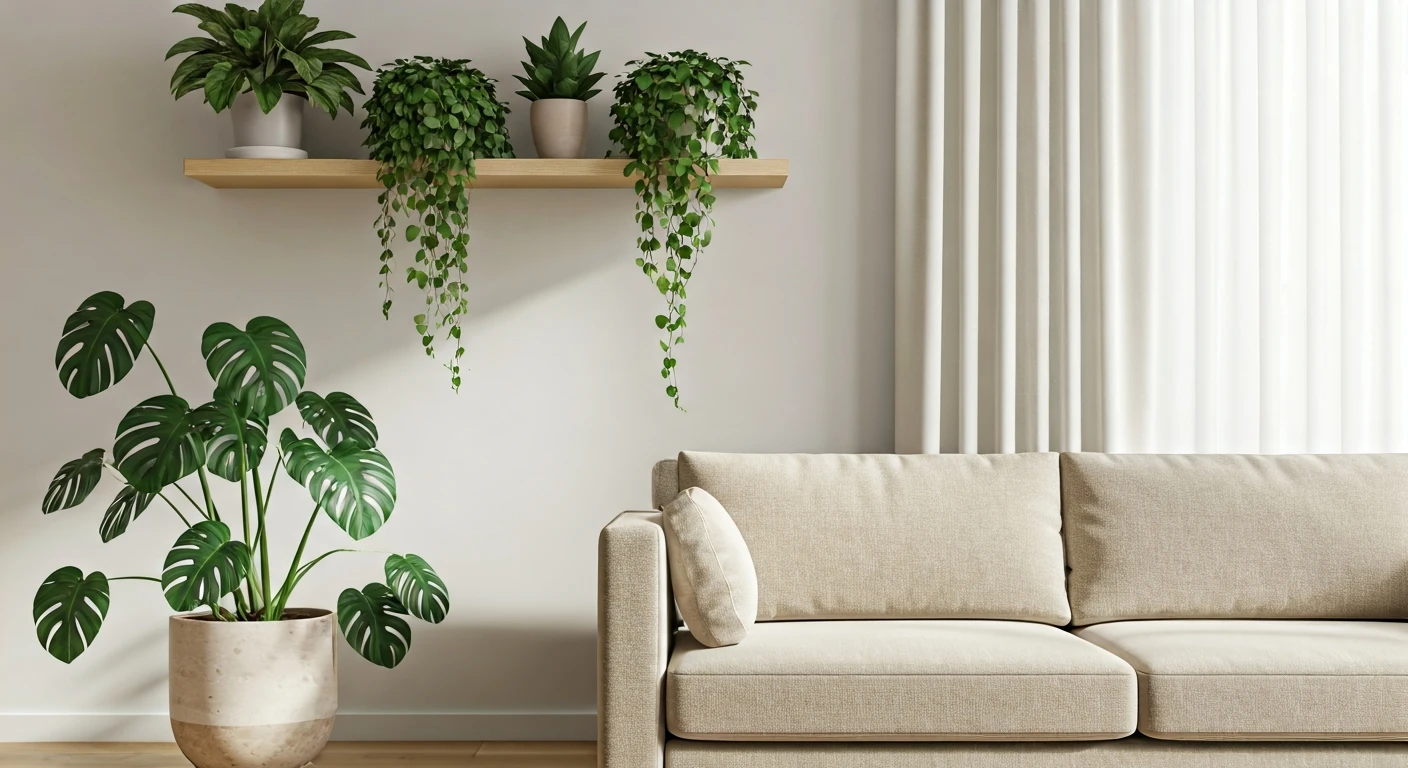
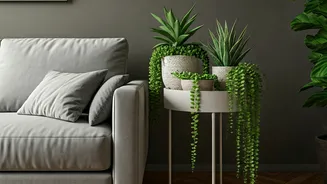
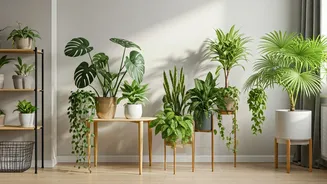
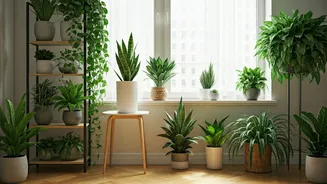
Floor space is a precious commodity in most rentals. Instead of cluttering your limited square footage with pots, think vertically. This is where modern, renter-friendly hardware becomes your best friend. Forget about drilling holes that will eat up your security deposit. High-quality, damage-free adhesive hooks (like those from Command) can easily support small hanging planters with pothos or string of pearls. A spring-loaded tension rod, the kind often used for shower curtains, can be installed in a window frame or an alcove to create an instant plant-hanging bar. You can also use lightweight, multi-tiered plant stands that assemble without tools and can be tucked into a corner to elevate several plants at once. This strategy draws the eye upward, making a small space feel larger and more dynamic while keeping your plants safe from pets or being knocked over.
3. Master Low-Effort Watering
The number one killer of houseplants isn’t neglect—it’s too much love in the form of overwatering. Root rot is a silent assassin, and it’s especially frustrating when you’ve invested time and money into your green corner. To avoid this, ditch complicated watering schedules and embrace the simplest tool you have: your finger. Before you water, stick your index finger about an inch or two into the soil. If it comes out dry and clean, it’s time to water. If it comes out moist with soil clinging to it, wait a few more days. It’s that simple. For an even more foolproof method, consider self-watering planters. These pots have a built-in reservoir that allows the plant to wick up water as it needs it, taking the guesswork out of the equation. This is especially useful if you travel often or just want to reduce your chore list.
4. Choose Lightweight and Portable Pots
When you’re a renter, every purchase comes with an unspoken question: “How hard will this be to move?” This applies to your plants, too. Heavy ceramic or terracotta pots look beautiful, but they become a back-breaking liability on moving day. Opt for stylish, lightweight alternatives. Modern plastic, fiberglass, and fiber-clay pots are often indistinguishable from their heavier counterparts but weigh a fraction as much. Another great option is to use fabric grow bags. They are incredibly lightweight, promote healthy root aeration, and can be easily placed inside more decorative cachepots. When it's time to move, you can simply lift the lightweight grow bag out, making transport much simpler and reducing the risk of breaking an expensive decorative pot.
5. Plan Your Exit Strategy
The biggest difference between a homeowner and a renter is the inevitability of moving. Don't let your plant collection become a source of dread when your lease is up. Plan for the move from the beginning. A few weeks before moving day, stop fertilizing your plants to reduce new, fragile growth. The day before the move, give them a moderate watering—not so much that they are heavy and dripping, but enough that they won’t dry out during transit. For smaller plants, a simple cardboard box with packing paper or towels tucked between the pots works well. For taller plants, you may need to wrap them loosely in packing paper or an old sheet to protect the leaves. If you’ve followed the advice to keep your pots lightweight and your plants hardy, this process will be surprisingly painless. You'll arrive at your new place with your green companions intact, ready to make another temporary space feel like home.