


An Annual National Obsession
In the United States, we have seasonal crazes: pumpkin spice in the fall, peppermint mochas in the winter. In India, the singular, unifying obsession of summer is the mango. But this isn't just about a fruit; it's a cultural phenomenon woven into the fabric
of daily life. From late March through June, the country is gripped by mango fever. Families have heated debates over which variety is superior. Newspapers track the arrival of the first shipments from orchards with the same gravity as political news. The mango is a symbol of joy, a gift for loved ones, and the undisputed king of fruits. This isn't the mild, stringy experience of the large, reddish-green Tommy Atkins mangoes that dominate American grocery stores. The Indian mango is a different beast entirely. It’s a spectrum of hundreds of varieties, each with its own distinct personality, flavor profile, and loyal following. The anticipation for their short-lived season builds for months, culminating in a frenzy of buying, gifting, and, of course, eating.
Meet the 'King of Mangoes'
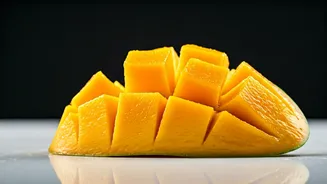
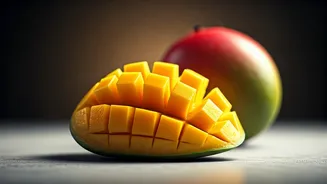
At the heart of this craze is the Alphonso, or ‘Hapus’ as it’s known in India. Grown primarily on the western coast, the Alphonso is the stuff of legend. It’s smaller than the mangoes Americans are used to, with a thin, saffron-hued skin that wrinkles slightly when perfectly ripe. Cutting into one reveals a firm, fiberless flesh the color of sunset, with a texture so smooth it’s often described as a cross between a peach, an apricot, and a ripe melon, but even that fails to capture its essence. The flavor is a complex perfume of honey, citrus, and a floral sweetness that is intense without being cloying. It’s the kind of fruit you eat over the sink, with juice dripping down your arms, and then talk about for the rest of the day. While the Alphonso reigns supreme, it’s far from the only star. There's the Kesar from Gujarat, known for its deep orange pulp and sweet, slightly tangy taste, perfect for lassis. Or the Langra from North India, with its greenish skin and uniquely tart-sweet flavor. Each variety has its own terroir and a fan base that will defend its superiority to the very end.
The Long Journey to America
For decades, this experience was largely inaccessible to Americans. In 1989, the U.S. banned the import of Indian mangoes over concerns about fruit flies. For Indian-Americans, it meant relying on canned pulp or frozen chunks, a pale imitation of the real thing. Longing for a taste of home became an annual ritual of disappointment. That all changed in 2007 when the ban was lifted, provided the mangoes underwent a process of irradiation to eliminate pests. This decision opened the floodgates. What began as a trickle of specialized imports for a niche diaspora market has steadily grown into a booming business. The “craze” is getting bigger because the supply is finally starting to meet the pent-up demand, not just from the Indian-American community, but from curious foodies who have heard whispers of this legendary fruit.
Finding the Craze in the U.S.
Today, the Indian mango craze in America looks like this: online waitlists in February for mangoes that won’t arrive until May. Boxes of a dozen Alphonso mangoes selling for upwards of $50 or more, snapped up instantly. Specialty Indian grocery stores announce the arrival of their first shipment on social media, triggering a rush of customers. These mangoes aren’t just produce; they’re a luxury good, treated with the same reverence as fine wine or truffles. Each mango is often individually wrapped in tissue, nestled in a box designed for gifting. Restaurants in cities with large South Asian populations feature them on special, limited-time menus in everything from cheesecakes and ice creams to cocktails. As more Americans get a taste—a real taste—of what a mango can be, the obsession is spreading beyond the diaspora, cementing its status as one of the world's great culinary experiences that you can, finally, enjoy right here.