


The One-Sentence Secret
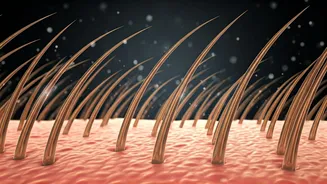
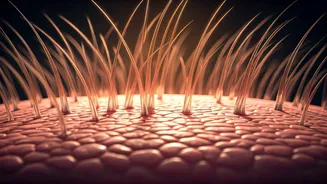
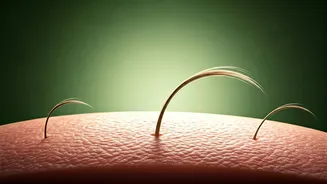
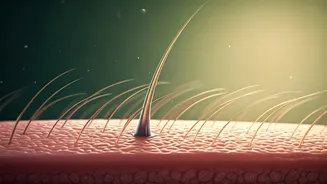
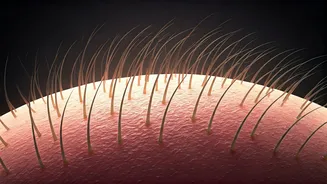
Here it is: Treat the skin on your head with the same care you give the skin on your face. That’s it. That’s the advice. Your scalp is not some inert foundation for your hair; it’s a living, breathing ecosystem of skin, follicles, and oil glands that
is remarkably similar to your face. We spend billions on cleansers, serums, exfoliants, and moisturizers for our faces while often neglecting the skin just a few inches higher. This oversight is the root cause of countless hair woes, from lackluster growth and thinning to persistent oiliness or frustrating dryness. Shifting your mindset from 'hair care' to 'scalp care' is the single most powerful change you can make for the health of your hair.
Cleanse Your Scalp, Not Just Your Hair
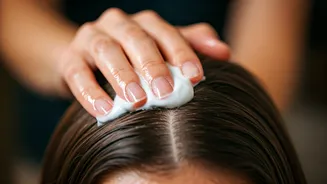
Think about your shampoo. Do you choose it based on what it does for your hair—'for colored hair,' 'for volume,' 'for curls'—or what it does for your scalp? Most of us are guilty of the former. But a clean scalp is a healthy scalp. Product buildup, sweat, environmental pollutants, and natural oils can clog hair follicles, impeding growth and leading to irritation. The goal isn’t to 'squeaky clean' your hair, which can be stripping, but to effectively cleanse the scalp. Look for shampoos formulated for your scalp type. If you have an oily scalp, a clarifying shampoo once a week can work wonders. If it’s dry and sensitive, a sulfate-free, hydrating formula is your best friend. And when you wash, focus on massaging the shampoo directly onto the scalp with your fingertips for a full minute before rinsing.
Exfoliation Is Not Just for Your Face
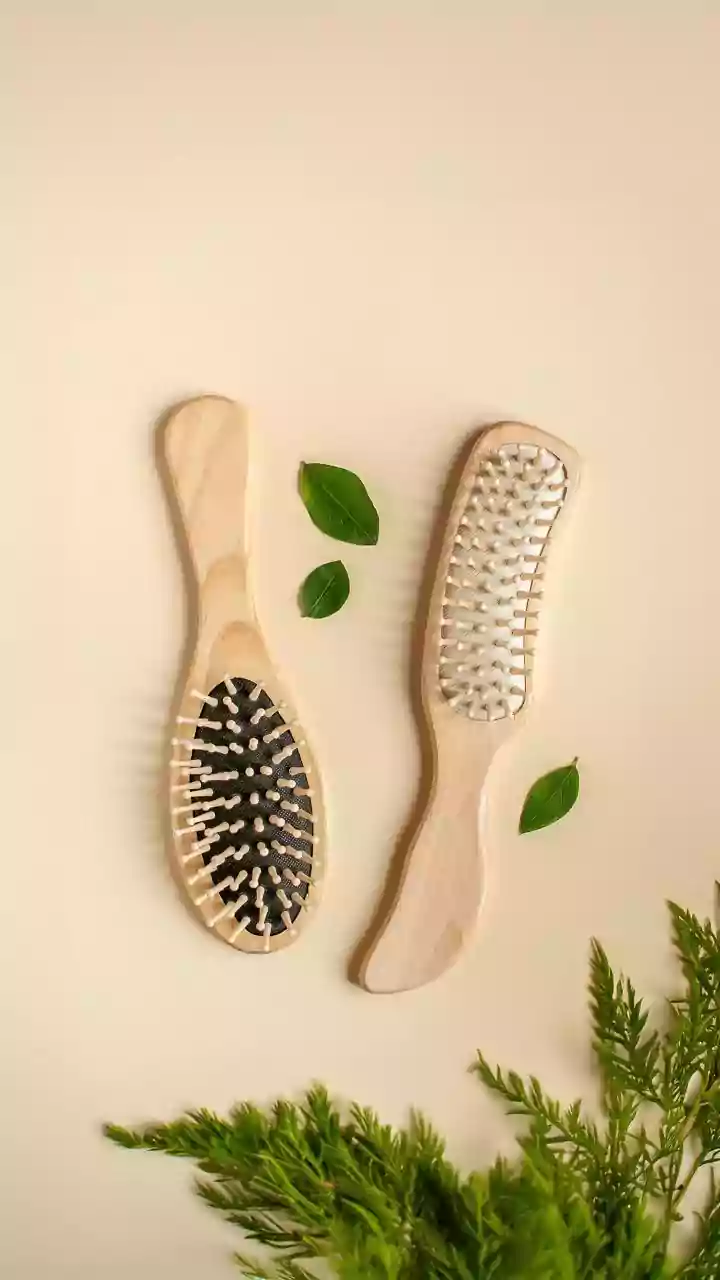
Just as dead skin cells can make your face look dull, a buildup of dead skin and product residue can wreak havoc on your scalp. This can manifest as flakiness (often mistaken for dandruff), itchiness, and even blocked follicles that hinder hair growth. Gentle exfoliation is key. You have two main options, just like with facial skincare. A physical exfoliant, like a scalp scrub or a silicone massage brush, manually buffs away debris. A chemical exfoliant uses ingredients like salicylic acid or glycolic acid in a pre-shampoo treatment or serum to dissolve the bonds holding dead skin cells together. Don't overdo it—for most people, once a week is plenty to maintain a clear, balanced scalp environment where hair can thrive.
Moisturize and Protect from the Sun
It seems counterintuitive to moisturize an area that produces its own oil, but just like the skin on your face, your scalp can become dehydrated. A dry, tight scalp can lead to itchiness, flakes, and compromised follicle health. Lightweight, non-comedogenic scalp serums with ingredients like hyaluronic acid can provide hydration without greasiness. Conversely, if your scalp is over-producing oil, it might actually be dehydrated and compensating. A proper cleansing and light hydration routine can help it rebalance. And the most overlooked step? Sun protection. Your scalp is highly susceptible to sun damage, which can harm follicles and increase skin cancer risk. On sunny days, wear a hat or use a powdered or spray-on SPF designed for hair and scalp.
Listen to the Warning Signs
Your scalp will tell you when something is wrong. Persistent itchiness, excessive flaking, redness, pain, or significant changes in hair shedding are not things to be ignored or covered up with dry shampoo. These can be signs of common conditions like dandruff, seborrheic dermatitis, psoriasis, or fungal infections. Trying to solve the problem by piling on more products can often make it worse. If your scalp is consistently irritated or you notice sudden, concerning changes, it’s time to move beyond the beauty aisle. Make an appointment with a board-certified dermatologist. They can properly diagnose the issue and provide targeted treatments that will restore your scalp's health and get you back on the path to great hair.