

Beyond a Single Strain
Remember when the answer to every digestive woe seemed to be a yogurt or a probiotic pill? The logic was simple: our guts need "good" bacteria, so let's add more of them. This approach treated the gut like a machine with a missing part—just plug in a new
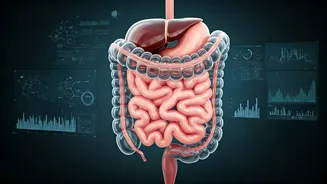
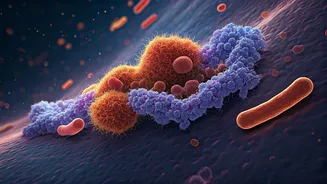
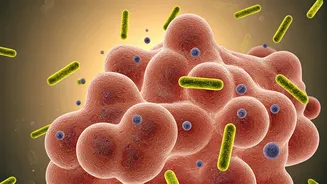
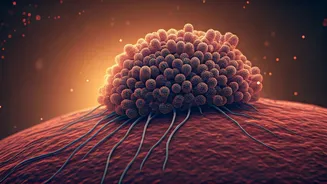
*Lactobacillus* or *Bifidobacterium* strain and you’re good to go. While probiotics can be beneficial in specific situations, this thinking overlooked the bigger picture. Your gut isn't a simple machine; it’s a bustling, complex metropolis of trillions of microorganisms, including bacteria, fungi, and viruses. Simply air-dropping in a few new citizens doesn't change the entire city's culture or resilience. The "makeover" in gut health is the realization that the strength of this metropolis lies not in numbers of one type of resident, but in its overall diversity.
Why Diversity Is King
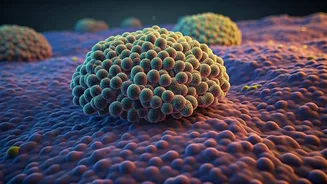
Think of your gut microbiome as a rainforest. A healthy rainforest thrives because it has thousands of different species of plants, animals, and insects, each playing a unique role. This biodiversity makes the ecosystem robust and resilient. It can withstand droughts, fight off invasive species, and continue to perform its essential functions. A monoculture crop, like a massive field of corn, is far more vulnerable. One specific pest or disease can wipe it out entirely. Your gut works the same way. A diverse microbiome, with many different types of microbes, can perform a wider range of tasks. Different bacteria specialize in digesting different types of fiber, producing different vitamins (like B vitamins and vitamin K), and creating beneficial short-chain fatty acids like butyrate, which fuels the cells of your colon and helps reduce inflammation. A less diverse gut is a less resilient one, more easily disrupted by a course of antibiotics, a poor diet, or stress, and has been linked in studies to a higher risk of various chronic conditions.
Eat the Rainbow (and the Fiber)
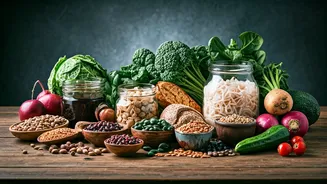
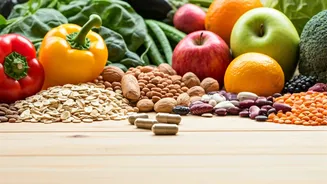
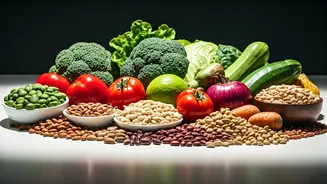
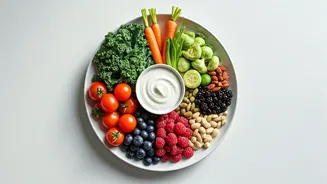
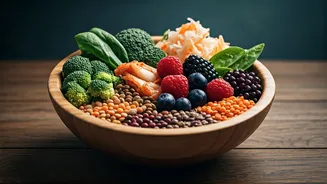
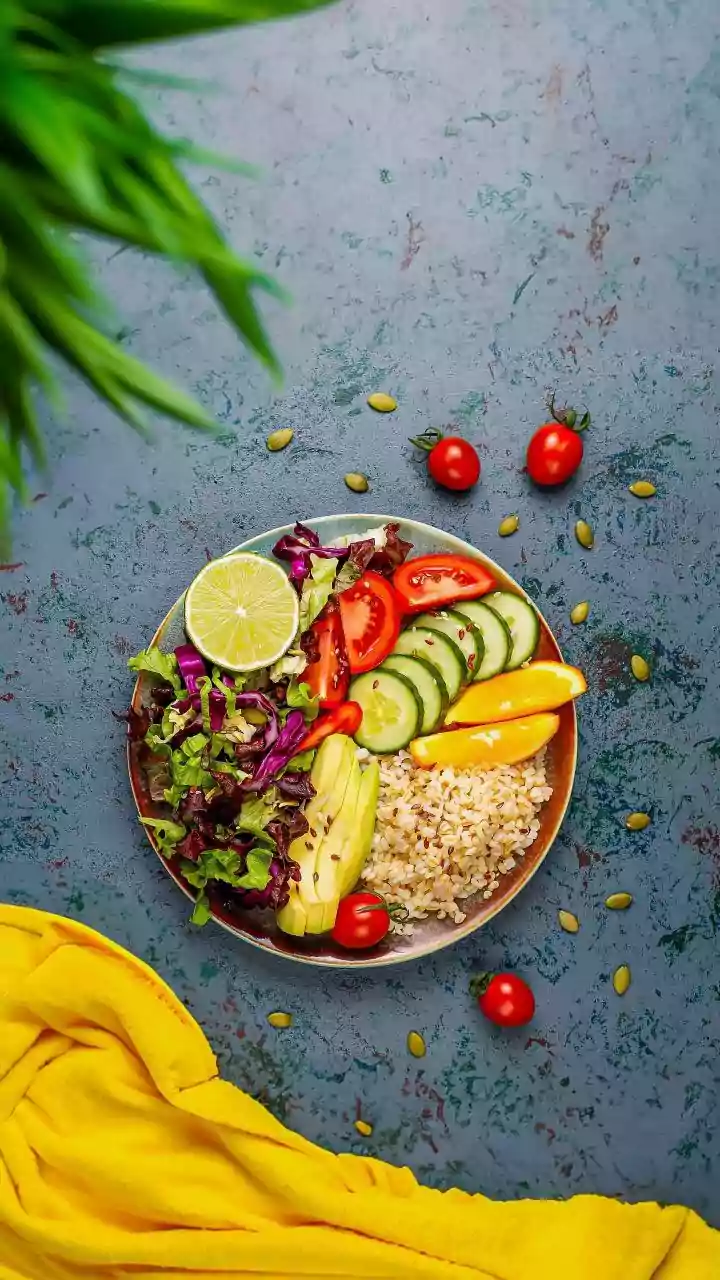
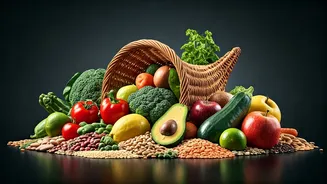
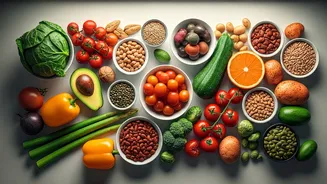
So if dropping in a few probiotic species isn't the whole answer, how do you cultivate this inner rainforest? The answer is surprisingly simple: you feed it. And you feed it a wide variety of things. Different microbes have different dietary preferences. The single most important food group for your gut microbes is fiber, the indigestible part of plants that your own body can't break down. Your gut bacteria, however, feast on it. Different types of fiber feed different types of bacteria. That's why experts now emphasize not just eating *more* fiber, but eating *varied* sources of it. The fiber in an apple is different from the fiber in lentils, which is different from the fiber in oats. By eating a wide range of plant foods, you provide a buffet for a wider range of microbes, encouraging a diverse community to flourish. The goal, according to researchers, is to aim for 30 or more different plant types per week. This sounds daunting, but it includes fruits, vegetables, whole grains, nuts, seeds, legumes, herbs, and spices.
Your Gut’s New Shopping List
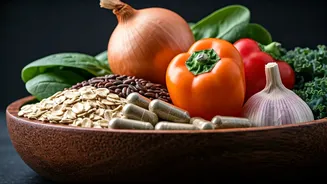
This shift in focus doesn’t require a complete dietary overhaul, but rather a mindset change from restriction to inclusion. Instead of just a probiotic supplement, think about: * **Polyphenols:** These are natural compounds found in plants that give them their vibrant colors. Think blueberries, red cabbage, dark chocolate, and green tea. They act as antioxidants and are also excellent food for your gut microbes. "Eating the rainbow" isn't just a catchy phrase; it's a strategy for microbial diversity. * **A Fiber Medley:** Don’t just stick to bran cereal. Mix it up. Add lentils to your soup, snack on a handful of mixed nuts, switch from white rice to quinoa or farro, and throw a variety of vegetables into your stir-fry. Every new plant you add is a new menu item for your microbiome. * **Fermented Foods:** This is where the old school meets the new. Fermented foods like kimchi, sauerkraut, kefir, and kombucha can introduce new, beneficial microbes into your system. Think of them as new immigrants arriving in your gut's metropolis, adding to its culture and capabilities, while your fiber-rich diet provides the jobs and housing to help them thrive.