


Welcome to the Abode of Clouds
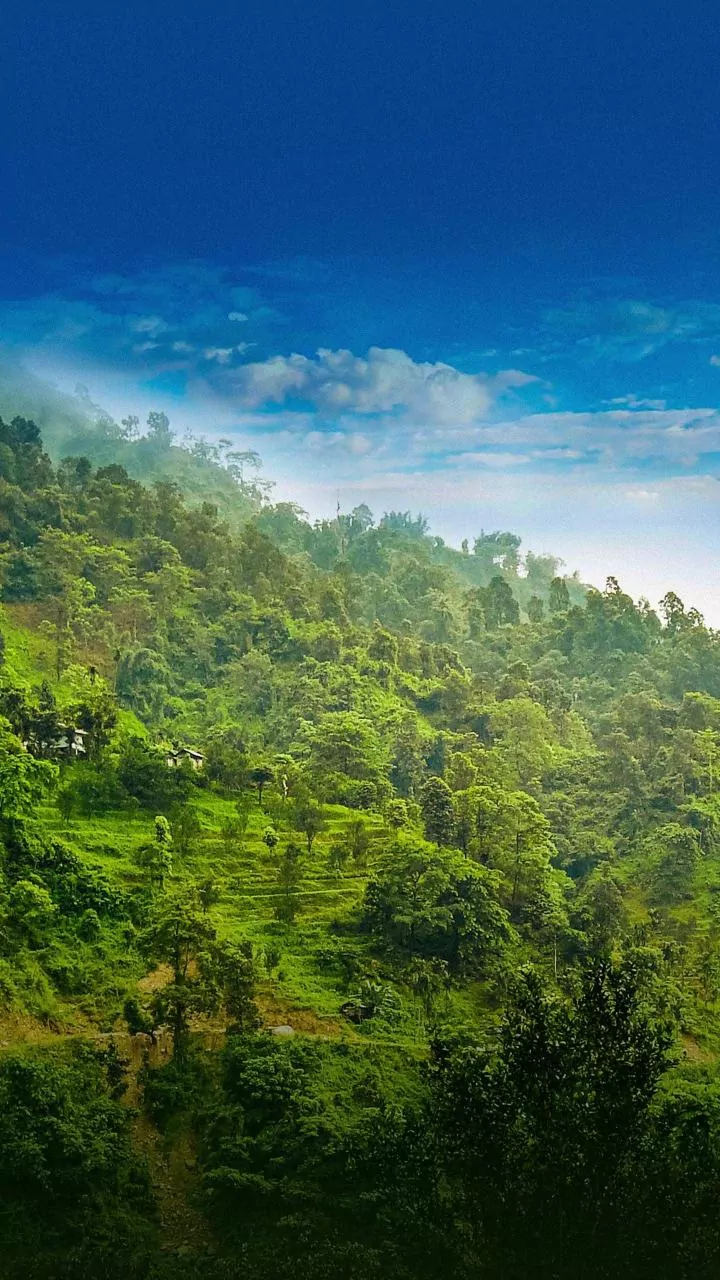
Tucked away in the northeastern corner of India lies Meghalaya, a state whose name translates from Sanskrit to “the abode of clouds.” It’s a title earned, not given. The region’s unique geography—a high plateau surrounded by lower floodplains—funnels
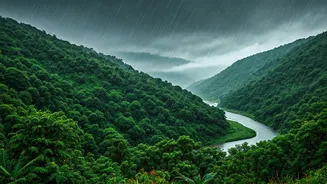
moisture-laden winds from the Bay of Bengal directly into its hills. The result is one of the wettest places on Earth, where towns like Mawsynram and Cherrapunji (also known as Sohra) have held world records for annual rainfall. But this isn't the dreary, endless drizzle you might imagine. Here, the rain is an event, a force of nature that sculpts the land and defines life itself. From June to September, the monsoon doesn't just water the plants; it awakens the landscape in a spectacular display of power and beauty.
The Spectacle of Infinite Cascades
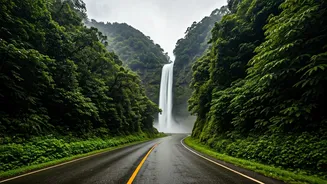
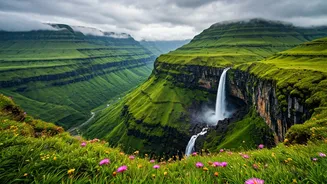
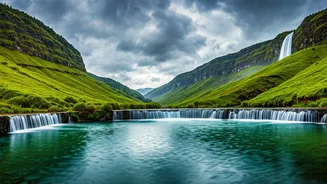
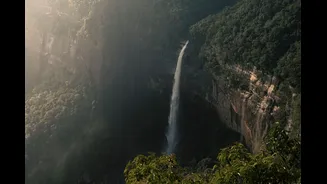
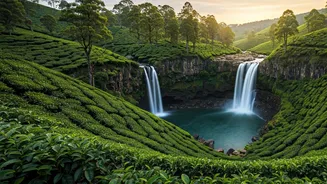
The phrase “infinite cascades” isn’t an exaggeration; it’s a literal description of Meghalaya during peak monsoon. As the clouds unleash their torrents, every cliff face, every rolling hill, and every verdant gorge begins to weep water. What are modest streams for most of the year swell into powerful rivers, and dry rock walls suddenly come alive with hundreds, even thousands, of temporary waterfalls. Driving along the winding mountain roads becomes a surreal experience, with curtains of water plunging down on either side. Landmarks like the Seven Sisters Falls (Nohsngithiang Falls) and the towering Nohkalikai Falls become thunderous spectacles, their spray misting the entire valley. This isn't just about seeing a few big waterfalls; it's about being immersed in a world where water flows from everywhere, creating a dynamic, ever-changing environment that feels both primal and profoundly alive.
Walking on Living Root Bridges
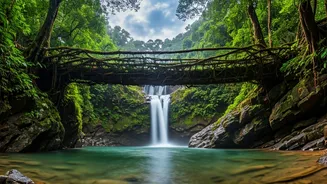
Perhaps the most iconic symbol of Meghalaya’s harmony with its wet environment is the living root bridges. For centuries, the indigenous Khasi and Jaintia peoples have practiced a unique form of bio-engineering. Instead of building bridges from wood that would quickly rot in the damp climate, they guide the thick, pliable aerial roots of the Ficus elastica tree across rivers and gorges. Over the course of 15 to 30 years, these roots grow and intertwine, forming a strong, living structure that becomes more robust with time. To walk across one is to step into a fairy tale. These bridges, some over a hundred feet long and capable of supporting dozens of people, are a testament to patient, sustainable design. The most famous example, the Umshiang Double-Decker Root Bridge, is a stunning two-tiered structure that feels like something out of a fantasy epic, connecting a community to the world across a roaring river.
Embracing the Journey
A trip to Meghalaya during the monsoon is an adventure for the senses, not a conventional luxury vacation. It requires a willingness to embrace the dampness and the mud. Pack waterproof gear, sturdy shoes, and an open mind. The reward is a chance to see nature at its most dramatic and beautiful. The experience is less about ticking off sights and more about feeling the raw energy of the landscape. Listen to the symphony of dripping leaves and roaring falls. Feel the cool mist on your face. Taste the hot chai and local Khasi cuisine that provide a perfect, warming contrast to the cool, wet air. While the “rain basins” offer their peak drama during the monsoon, the shoulder seasons can offer a balance of lush greenery and clearer skies, revealing crystal-clear rivers perfect for kayaking.