
Your Gut, Your Second Brain
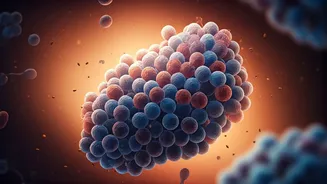
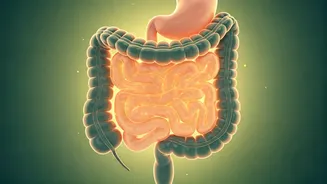
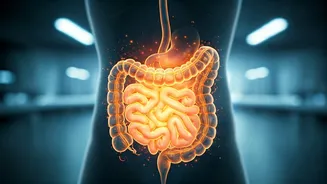
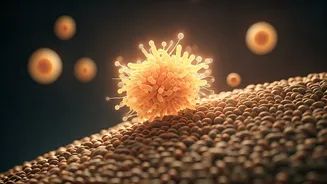
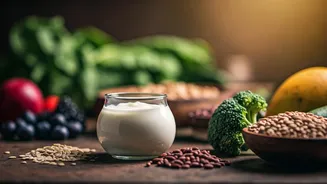
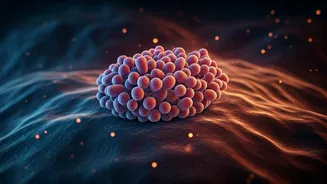
First, a quick refresher on why everyone is suddenly obsessed with gut health. Our digestive system is home to trillions of microorganisms, collectively known as the gut microbiome. This internal ecosystem doesn't just help us digest food; it influences
everything from our immune system and mood to our metabolism. A diverse and balanced microbiome is a cornerstone of overall health. The key to cultivating this healthy internal garden? Feeding the good bacteria what they love to eat. These special foods are known as prebiotics, and one of the most powerful and accessible prebiotics is something called resistant starch.
The 'Cooling' Secret: Resistant Starch
This is where the 'cooling' comes in. When you cook starchy foods like rice, potatoes, or pasta, their starches break down and are easily digested. However, if you let these foods cool down after cooking—ideally for several hours or overnight in the refrigerator—something magical happens. A portion of these starches re-form into a new structure called resistant starch. The name says it all: this type of starch 'resists' digestion in the small intestine. Instead, it travels all the way to the large intestine, where it becomes a superfood for your beneficial gut bacteria. They ferment it, producing beneficial compounds like butyrate, which nourishes the cells lining your colon and helps reduce inflammation.
Rice, Reimagined and Gut-Friendly
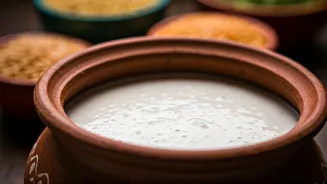
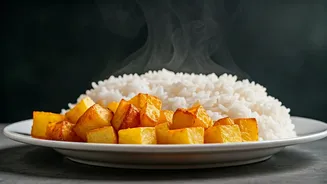
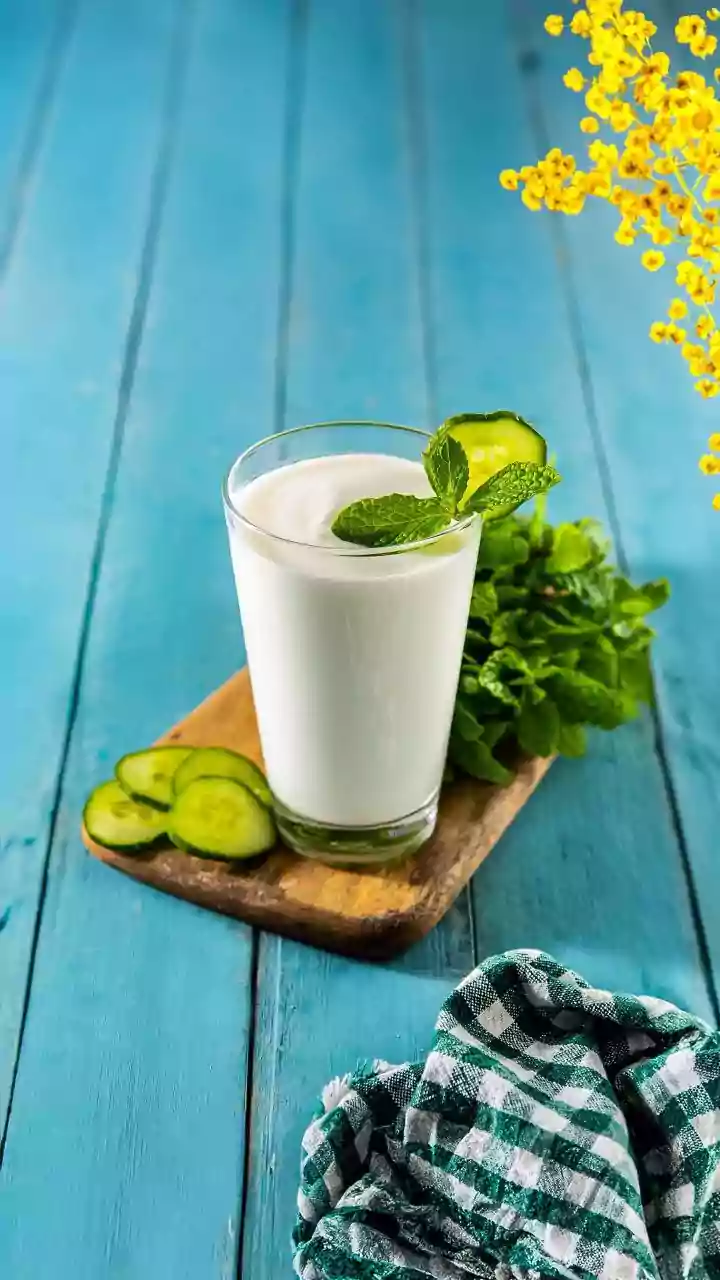
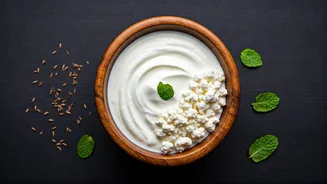
Rice is a fundamental staple in Indian cuisine, but its high glycemic index can be a concern. Cooling it changes the game. The practice of using leftover, cooled rice is common across India, not just for convenience but for texture and flavor in specific dishes. Think of classic South Indian 'dahi chawal' (yogurt rice), a comforting dish often made with pre-cooked, cooled rice mixed with yogurt, herbs, and spices. It's naturally soothing and, thanks to the cooled rice and probiotic yogurt, a powerhouse for your gut. Another example is lemon rice ('chitranna'), where cooked and cooled rice is tossed with a tempering of spices, lemon juice, and peanuts. The separate, non-sticky texture is achieved precisely because the rice was allowed to cool first, creating resistant starch in the process.
The Humble Potato's Healthy Makeover
Potatoes get a similar upgrade when cooled. While a hot baked potato is quickly digested, a boiled and cooled potato becomes a significant source of resistant starch. This is a staple in many Indian snacks and side dishes. Consider 'aloo chaat,' a popular street food where cubes of boiled, cooled potato are tossed with yogurt, chutneys, and spices. The firm texture of the cooled potato is essential to the dish, and it brings a bonus benefit for your microbiome. Even a simple potato salad, Indian-style, with a light dressing of herbs and lemon juice instead of heavy mayonnaise, can be a delicious way to incorporate this gut-friendly ingredient into your diet.
How to Make It Work for You
Integrating this practice into your life is incredibly simple and perfect for meal prepping. The key is planning ahead.
1. **Cook in Batches:** Cook a large batch of rice or boil a few potatoes at the beginning of the week.
2. **Cool Completely:** Let them cool to room temperature briefly, then transfer them to an airtight container and refrigerate for at least 4 hours, or preferably overnight. Do not leave them at room temperature for too long to avoid bacterial growth.
3. **Use Throughout the Week:** Use your cooled rice as a base for salads, grain bowls, or to make quick fried rice (reheating doesn't destroy all the resistant starch formed). Add your cooled potatoes to salads, or gently sauté them for a quick side dish. This simple shift in preparation can turn everyday staples into powerful tools for your long-term health.