



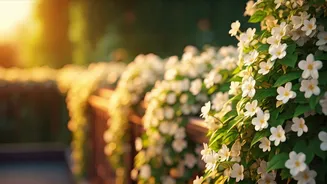


The Power of Evening Scent
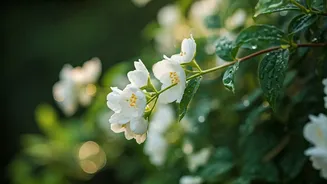
More than any visual cue, it’s the fragrance of jasmine that defines a June garden. While colorful blooms command attention during the day, jasmine works its magic as dusk settles. Its sweet, heady perfume is released most potently in the cool evening
air, turning a simple patio or backyard into a sensory retreat. This is the 'softness' the headline hints at—a feeling created by a scent that encourages you to slow down, breathe deeply, and simply be present. Scent is powerfully tied to memory, and the fragrance of jasmine on a warm night can create an enduring sense of peace and nostalgia. Planting jasmine isn't just a horticultural choice; it's an investment in atmosphere.
Choosing the Right Jasmine
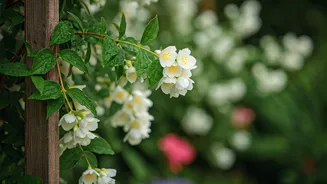
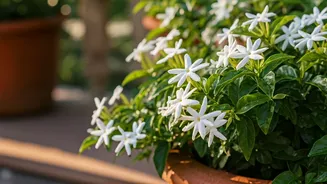
The term 'jasmine' is used for a wide range of fragrant, flowering vines and shrubs, but not all are created equal. For many U.S. gardeners, the most reliable and beloved option is Star Jasmine (Trachelospermum jasminoides). Though not a 'true' jasmine from the Jasminum genus, its evergreen foliage, star-shaped white flowers, and incredible perfume make it a landscape staple. It's hardy in zones 8-10 and can be grown in containers in colder climates. For a true jasmine experience, consider Common White Jasmine (Jasminum officinale), the national flower of Pakistan. It’s a deciduous vine with an intensely fragrant, classic scent, hardy in zones 7-10. For those in warmer climates (zones 9-11), Arabian Jasmine (Jasminum sambac) offers a shrubby habit and flowers that are famously used to make jasmine tea. Researching your specific climate zone is the first step to choosing a variety that will thrive.
Planting for Maximum Impact
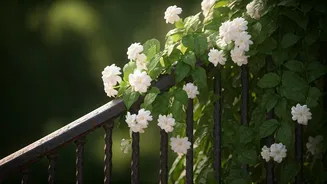
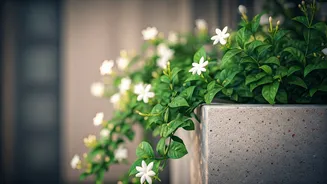
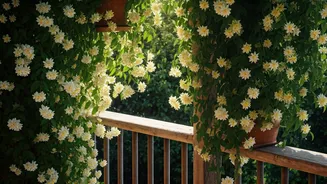
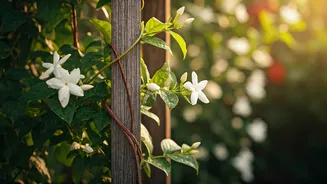
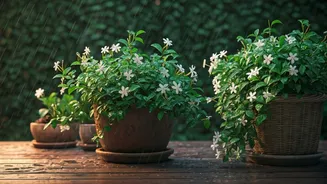
Where you plant your jasmine is just as important as which variety you choose. To make the most of its signature fragrance, place it where you spend your time, especially in the evenings. Training a vine up a trellis or arbor near a patio seating area is a classic strategy. Planting it near a bedroom window allows the scent to drift inside on warm nights. You can also use it as a fragrant groundcover on a slope or allow it to spill over a retaining wall, releasing its perfume whenever you brush past. For smaller spaces, a single jasmine in a large pot on a balcony or near a doorway can have an outsized impact, creating a welcoming and luxurious entrance. The goal is to integrate the plant into your daily life so its scent becomes a regular, delightful presence.
Simple Care for Abundant Blooms
Jasmine may seem exotic, but its care is surprisingly straightforward. Most varieties thrive in full sun to partial shade; more sun generally means more flowers. They prefer well-draining soil that’s kept consistently moist but not waterlogged, especially during the hot summer months. A layer of mulch can help retain soil moisture and keep the roots cool. Fertilize in the spring with a balanced, all-purpose fertilizer to support vigorous growth and flowering. Pruning is key to keeping vining types from becoming a tangled mess. The best time to prune is right after the plant has finished blooming, which allows it to recover and set buds for the following year. Simply trim away any dead or overgrown stems to maintain shape and encourage airflow, which helps prevent disease.