





Understanding the Monsoon Threat
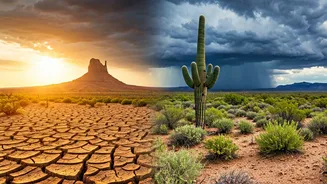
The term “monsoon” might conjure images of gentle, soaking rains, but anyone living in Arizona, New Mexico, or surrounding desert regions knows the reality is far more violent. Monsoon storms often bring microbursts—intense, localized downdrafts that
can produce winds exceeding 60 miles per hour. For a tree or large shrub that has spent months growing a thick, lush canopy, this is the ultimate stress test. A dense wall of leaves acts like a sail on a ship, catching the full force of the wind. When that sail gets too big, the force can snap major limbs, split trunks, or even uproot the entire plant. Add the weight of torrential rain clinging to every leaf, and the risk of catastrophic failure increases exponentially. This isn't just a threat to your beloved mesquite or palo verde; falling limbs pose a significant danger to your roof, your car, and your home itself.
The Goal: Thinning, Not Topping
When people hear “pruning for wind,” many mistakenly reach for the saw to “top” their trees—chopping off the entire upper canopy. This is one of the worst things you can do. Topping creates ugly, weak, and rapid new growth, and it permanently damages the tree's structure. The goal of pre-monsoon pruning is not to shorten the plant, but to thin it. Your objective is to create channels within the canopy that allow wind to pass through it, rather than pushing against it as a solid wall. By selectively removing certain branches, you reduce the “sail effect” without compromising the plant's fundamental health or natural shape. A properly thinned tree is more resilient, safer, and healthier in the long run. You're not fighting the wind; you're simply helping your trees and shrubs learn to bend with it.
Your Pre-Monsoon Pruning Hit List
Before you start cutting, take a walk through your yard and identify the highest-risk targets. Look for top-heavy trees with dense canopies and a narrow base, like many fast-growing desert species. Pay close attention to brittle trees like mesquites, which are notorious for dropping large limbs in storms. Examine large, overgrown shrubs such as oleander or Texas sage; their dense foliage can catch significant wind. The most critical task is to identify and remove the “three Ds”: any wood that is dead, damaged, or diseased. These branches are already weak and are the most likely to fail first in a storm. Also, look for branches that are crossing and rubbing against each other, as these friction points create weaknesses. Finally, scan for limbs overhanging your roof, driveway, or other important structures. These should be your top priority for removal or reduction.
How to Make the Right Cuts
Proper technique is everything. For thinning, focus on removing smaller branches, typically one to two inches in diameter, from the interior of the plant to open it up. Always make your cut just outside the “branch collar,” the slightly swollen ring of tissue where a branch joins a larger stem or the trunk. This collar contains specialized cells that will heal over the wound. Cutting flush with the trunk or leaving a long, coat-hanger-like stub will invite disease and decay. Use a sharp, clean pruning saw or loppers for a smooth cut that heals quickly. A good rule of thumb is to never remove more than 25-30% of a plant’s live canopy in a single year. A light, strategic thinning is far more effective and less stressful for the plant than a severe hack job.
What to Leave Alone
Just as important as knowing what to prune is knowing what not to. Avoid any major pruning on newly planted trees and shrubs, as they need all their foliage to establish a strong root system. Be cautious with citrus trees, as pruning in the early summer can expose their sensitive bark to sunburn. If you must prune a citrus tree, do it sparingly. Also, recognize that you may be sacrificing some flowers. Many desert plants, like the Texas sage, bloom in response to humidity and rain. A light thinning in June might reduce the initial floral display, but it’s a small price to pay for preventing the entire shrub from splitting in half. If you’re dealing with a very large, mature tree or have limbs near power lines, don't attempt it yourself. The cost of hiring a certified arborist is your premium on a much more expensive insurance policy.