

First, What Is Chaat?
Before we unpack the trend, let's talk about chaat. For the uninitiated, chaat isn't a single dish; it's a category of savory, intensely flavorful street food snacks that form the backbone of casual Indian cuisine. The word itself means 'to lick,' and
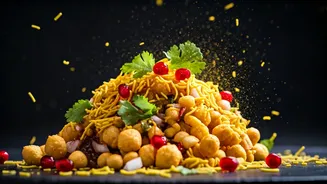
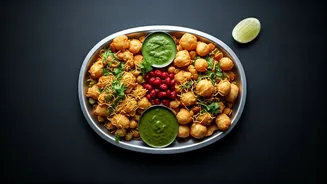
that’s exactly what you’ll want to do. Chaat is an explosion in your mouth—a carefully orchestrated chaos of textures and tastes. Think crispy, crunchy, soft, and chewy all at once. Flavors collide in the best way possible: tangy tamarind chutney, fiery green chili-mint chutney, cool and creamy yogurt, pungent onions, and a sprinkle of chaat masala—a unique spice blend featuring amchoor (dried mango powder) and kala namak (black salt). Popular examples include Pani Puri (hollow crisps filled with spiced water), Bhel Puri (puffed rice mixed with vegetables and chutneys), and Samosa Chaat (a crushed samosa smothered in yogurt, chutneys, and spices). It’s messy, social, and deeply delicious.
The Snack Aisle Transformation
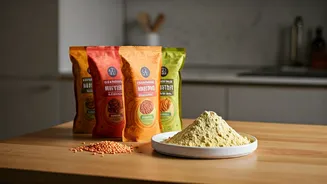
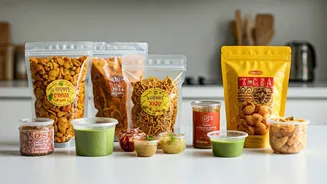
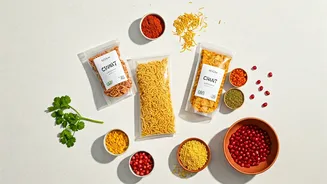
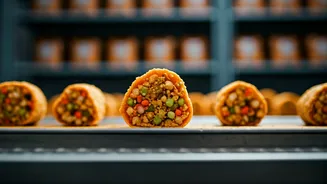
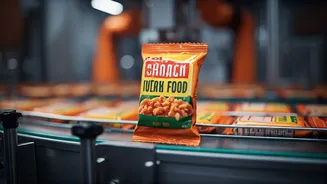
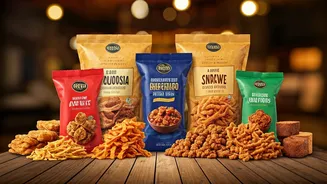
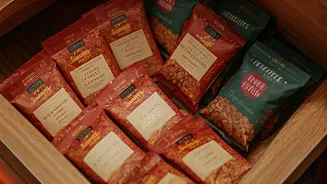
So what does it mean for packaged food to go 'full chaat mode'? It means companies are deconstructing this street-side experience and reassembling it in a bag, box, or frozen tray. It started subtly, with chaat-flavored potato chips from brands like Lay’s in India. But now, the market has graduated to something far more ambitious. You can find instant Bhel Puri kits with separate pouches for the puffed rice, the dry spice mix, and the wet chutneys, allowing for assembly-line freshness at home. Major brands like Haldiram’s and Bikaji offer not just the components—like the crispy puri shells or the fine, crunchy noodles called sev—but entire ready-to-eat or heat-and-serve chaat experiences. We’re seeing frozen Dahi Vada (lentil fritters in yogurt), shelf-stable Pani Puri kits, and even chaat-inspired savory yogurt cups. The goal is to deliver the complex, multi-layered joy of chaat without the prep time or the trip to a street vendor.
Why Now? Convenience Meets Nostalgia
This trend is fueled by a perfect storm of social and economic factors. In India, rapid urbanization and busier lifestyles have created a massive demand for convenience. Consumers who grew up loving chaat no longer have the time to make it from scratch or even stop at their favorite street vendor. Packaged chaat offers a quick, hygienic, and reliable alternative. At the same time, it’s a powerful dose of nostalgia. For the millions of Indians living abroad, these products are a direct link to the tastes of home—a sensory shortcut to a specific time and place. Food companies have realized that selling a chaat kit isn’t just selling a snack; it’s selling a cherished memory and a cultural experience. This emotional connection makes it an incredibly powerful and profitable market to tap into.
From Mumbai Streets to American Pantries
While the trend is booming in India, its ripples are being felt right here in the U.S. Indian grocery stores, once the primary source for these items, are expanding their chaat-centric offerings. But more importantly, the mainstream American palate is evolving. Driven by a desire for bold, authentic global flavors, shoppers are more willing than ever to venture beyond the familiar. The same curiosity that fueled the rise of sriracha and gochujang is now creating an opening for chaat masala and tamarind. Brands are noticing. While you may not find a full Bhel Puri kit at a major national supermarket just yet, you're increasingly likely to see potato chips seasoned with Indian spices or snack mixes that borrow from the chaat playbook. It represents the next wave in the globalization of food: not just a simplified, 'Americanized' version, but a genuine attempt to package an authentic flavor experience for a new audience.