


The Microtrend Treadmill
For the past few years, our sartorial lives have been dictated by the algorithm. Social media, particularly TikTok, created the microtrend: a hyper-specific, fleeting aesthetic that blows up for a few weeks before being declared 'cringe' and replaced
by the next one. Think of the strawberry-print dress, the checkered green phone case, the sudden, urgent need for a pair of metallic cowboy boots. These trends are designed for rapid consumption and just-as-rapid disposal. Fueled by ultra-fast fashion brands that can replicate a runway look in days, the cycle encourages a 'copy-paste' approach to style. Everyone ends up wearing a slightly different version of the same five viral items, turning personal expression into a performance of being terminally online. The result? A closet full of clothes you were influenced into buying but have no real connection to, and a nagging sense of trend fatigue.
In Search of Real Individuality
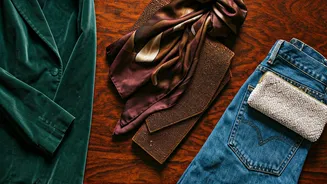
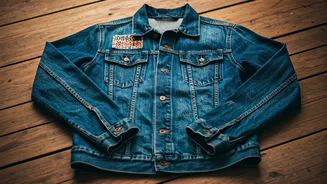
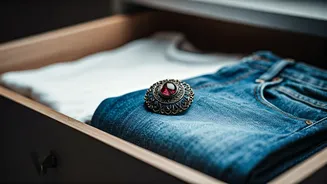
This is where vintage makes its triumphant return. If microtrends are about conforming to an algorithm, vintage is about discovering yourself. Scouring a thrift store, an estate sale, or a curated vintage shop is an act of curation and chance. You aren't being served an ad; you're on a treasure hunt. The thrill isn't in acquiring the 'it' item of the month, but in finding a 1970s suede jacket or a perfectly worn-in 1990s Levi's 501 that feels like it was waiting just for you. This process fosters a much deeper connection to our clothing. A vintage piece has a story—a previous life, a unique construction, a detail you won't find on a thousand other mass-produced tops. Wearing it isn't just about looking good; it's about adding your own chapter to that story. In a world of digital carbon copies, that kind of tangible uniqueness feels like the ultimate luxury.
Quality Over Clickbait
The backlash against microtrends is also a backlash against planned obsolescence. Many fast-fashion items are, to put it bluntly, designed to fall apart. The seams are weak, the fabric is thin, and the construction is flimsy, ensuring that you’ll be back to buy the next new thing in a matter of weeks. Consumers are getting wiser to this expensive, wasteful cycle. By contrast, vintage clothing is often a testament to superior craftsmanship. A dress from the 1960s that has survived this long was likely made with better fabric and more durable stitching than its modern equivalent. Choosing vintage is a vote for quality and longevity. It’s a recognition that a well-made garment is a better investment than a closet full of trendy, disposable pieces. This shift aligns with a broader cultural move towards sustainability, where the most eco-friendly choice is using what already exists.
Breaking the Trend Cycle Itself
Perhaps the most powerful aspect of the vintage movement is how it subverts the entire fashion system. The traditional trend cycle is a top-down model: designers show collections, magazines and influencers anoint the key looks, and brands mass-produce them for consumers. Microtrends just put this cycle on hyper-speed. Vintage, however, is democratic and decentralized. There is no single 'vintage' trend. Instead, individuals pull from different eras—the '70s, the '90s, the Y2K-era—to create looks that are personal and eclectic. Style becomes a conversation with history, not a command from a marketing department. This bottom-up approach puts power back in the hands of the wearer. It says that style isn't about what's new, but about what has enduring appeal, personal meaning, and the power to make you feel like the most authentic version of yourself.