
The Shoulder Season Sweet Spot
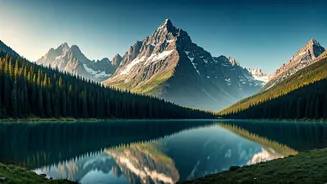
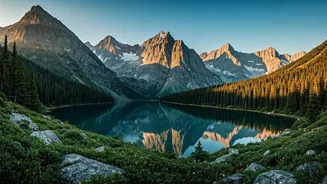
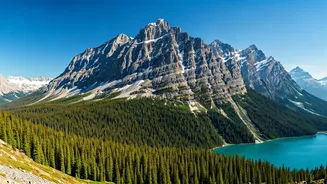
July and August are for the crowds. The beaches are packed, the national park parking lots are full, and the prices for everything reflect peak demand. June, however, is the mountains’ secret handshake. It’s a perfect slice of shoulder season where the weather
has turned decisively pleasant, but the summer masses have yet to fully descend. The snow has mostly retreated from the mid-elevation trails, leaving behind vibrant, hydrated landscapes. Days are long and warm enough for T-shirts, but nights retain a crispness that makes a bonfire or a fireplace feel like a well-earned luxury, not an absurdity. You get the best of summer’s promise without the peak-season crush, creating a sense of having discovered a loophole in the vacation calendar.
An Explosion of Life, Not Tourists
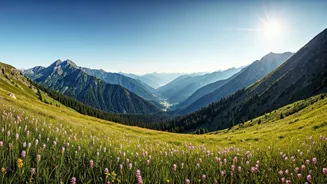
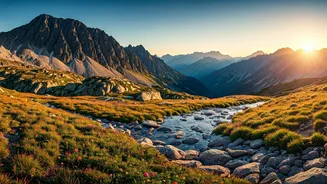
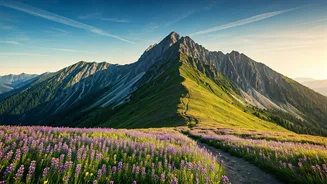
While coastal destinations are still shaking off their spring slumber, mountain ecosystems are putting on their most spectacular show of the year. June is prime time for wildflowers. Slopes in the Rockies explode with Indian paintbrush and columbine. The meadows of the Sierra Nevada become carpets of color. In the Great Smoky Mountains, the rhododendrons and mountain laurels reach their peak bloom, creating tunnels of pink and white along trails and roadways. It’s a vibrant, living spectacle that’s fleeting. This isn’t just a backdrop for a hike; it’s the main event. The world feels new, lush, and intensely alive in a way that the sun-baked landscapes of late summer simply can’t match.
More Than Just a Pretty View
The old stereotype of a mountain vacation as a spartan affair of trail mix and blisters is long dead. Today’s mountain towns are hubs of culture, cuisine, and comfort. June marks the kickoff of festival season. You’ll find world-class bluegrass festivals in towns like Telluride, Colorado, food and wine events celebrating local ingredients in Asheville, North Carolina, and outdoor film screenings under the stars in Jackson, Wyoming. The farm-to-table movement isn’t a trend here; it’s a way of life. Restaurants that were serving hearty ski-season fare a few months ago now have menus bursting with fresh spring greens, river trout, and early summer berries. You can spend the day pushing your limits on a trail and the evening enjoying a meal that would be at home in any major city—except here, the view is better.
A Natural Reset Button
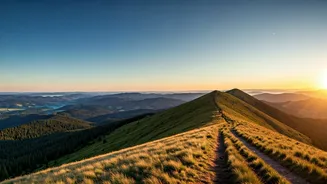
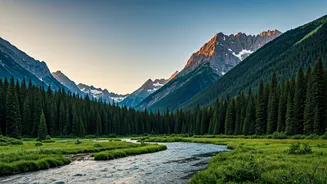
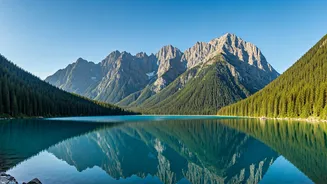
Perhaps the most compelling reason the mountains are calling is psychological. After months spent indoors or navigating the frenetic energy of daily life, there is something profoundly restorative about being surrounded by things that are immense, ancient, and unbothered by your to-do list. The scale of a mountain range has a way of recalibrating your own problems. The air is cleaner, the sky seems bigger, and the constant, low-grade hum of civilization is replaced by the sound of wind in the pines or a rushing creek. This isn’t just about escaping; it’s about reconnecting. It’s a chance to trade screen time for ridgelines and notifications for the simple, satisfying rhythm of putting one foot in front of the other.