





1. A Truly Natural, Non-Toxic Finish
The primary draw for any designer focused on 'organic' principles is the material's composition. Unlike conventional acrylic or latex paints, which can contain a cocktail of volatile organic compounds (VOCs), clay paints are fundamentally different. They
are typically made from a simple blend of clay, water, and natural pigments. This means they are free from the synthetic chemicals that 'off-gas' into a room, a process that can continue for months or even years after painting. For designers creating healthy homes, this is a non-negotiable. Using a zero-VOC product like clay paint ensures indoor air quality is protected from the start, eliminating the familiar 'new paint smell' which is, in reality, the scent of chemicals being released into your living space.
2. Unmatched Aesthetic Depth and Texture
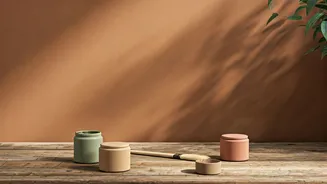
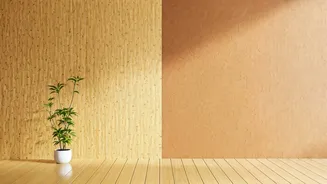
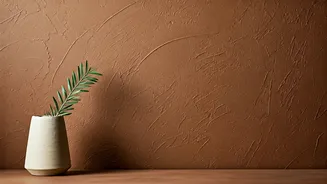
Look closely at a wall finished with clay paint, and you’ll see something standard paint can't replicate: subtle, velvety depth. Clay paints don’t form a plastic-like film on the wall. Instead, the clay particles create a micro-texture that absorbs and diffuses light in a soft, organic way. This results in a finish that feels chalky or velvety to the touch and has a unique visual character. The colors, derived from natural earth pigments, have a rich, complex quality that changes with the light throughout the day. It’s a far cry from the flat, uniform surface of a standard paint job, offering a layer of visual interest and warmth that is central to the organic design ethos.
3. Walls That Actively Breathe
One of the most remarkable properties of clay is that it’s 'hygroscopic,' meaning it can absorb and release moisture from the air. A wall coated in clay paint becomes a breathable surface that helps regulate a room's humidity. In humid conditions, the clay absorbs excess moisture; when the air is dry, it releases it back into the room. This passive humidity control contributes to a more comfortable and stable indoor environment. It can also help inhibit the growth of mold and mildew, which thrive in damp, stagnant conditions. Designers love this 'active' quality, as it turns a passive decorative surface into a functional element that contributes to the overall wellness of the home.
4. The Enduring Beauty of Imperfection
Organic design often embraces the Japanese concept of wabi-sabi—finding beauty in imperfection and authenticity. Clay paints, especially limewash or other plaster-like variations, perfectly embody this idea. Their application often results in subtle variations, gentle brushstrokes, and soft tonal shifts across the wall. This isn't a flaw; it's a feature. This inherent character adds a sense of history, artistry, and humanity to a space. It feels crafted rather than manufactured. In a design world moving away from sterile, mass-produced perfection, the unique, slightly imperfect finish of clay paint feels soulful, grounded, and deeply authentic.
5. A Sustainable Choice from Earth to Wall
For designers and clients concerned with environmental impact, the entire lifecycle of clay paint is appealing. Clay is an abundant, natural material that requires minimal processing compared to the petrochemicals used in synthetic paints. It’s also biodegradable. At the end of its life, a wall with clay paint doesn't contribute plastic polymers to the landfill. While the initial cost of premium clay paint can be higher than conventional options, its durability, timeless appeal, and eco-friendly credentials make it a long-term investment in both the home and the planet—a core tenet of the organic design movement.