

The New 'Healthy'
For many Americans, Indian food is synonymous with rich, comforting curries like butter chicken or tikka masala. But for a growing number of young people in India, the culinary landscape is shifting dramatically. The first pillar of this new movement
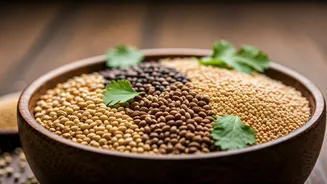
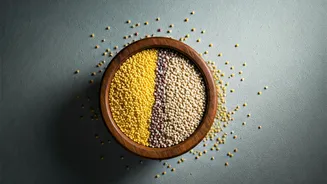
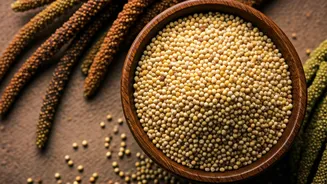
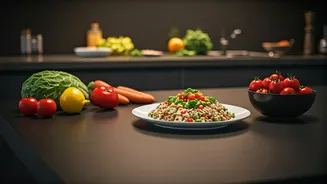
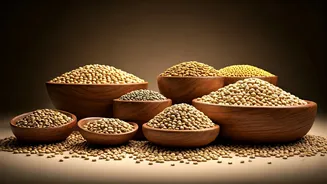
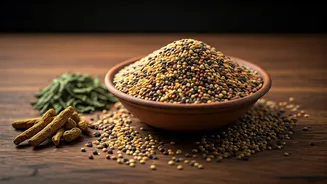
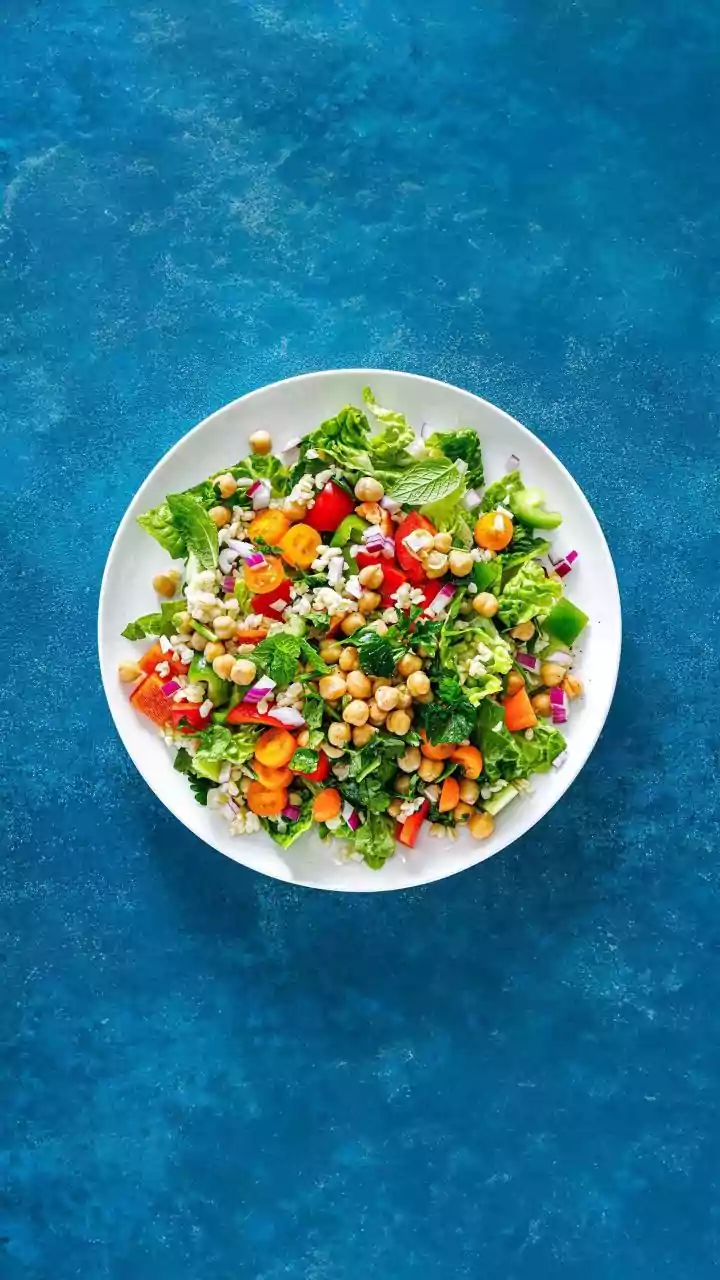
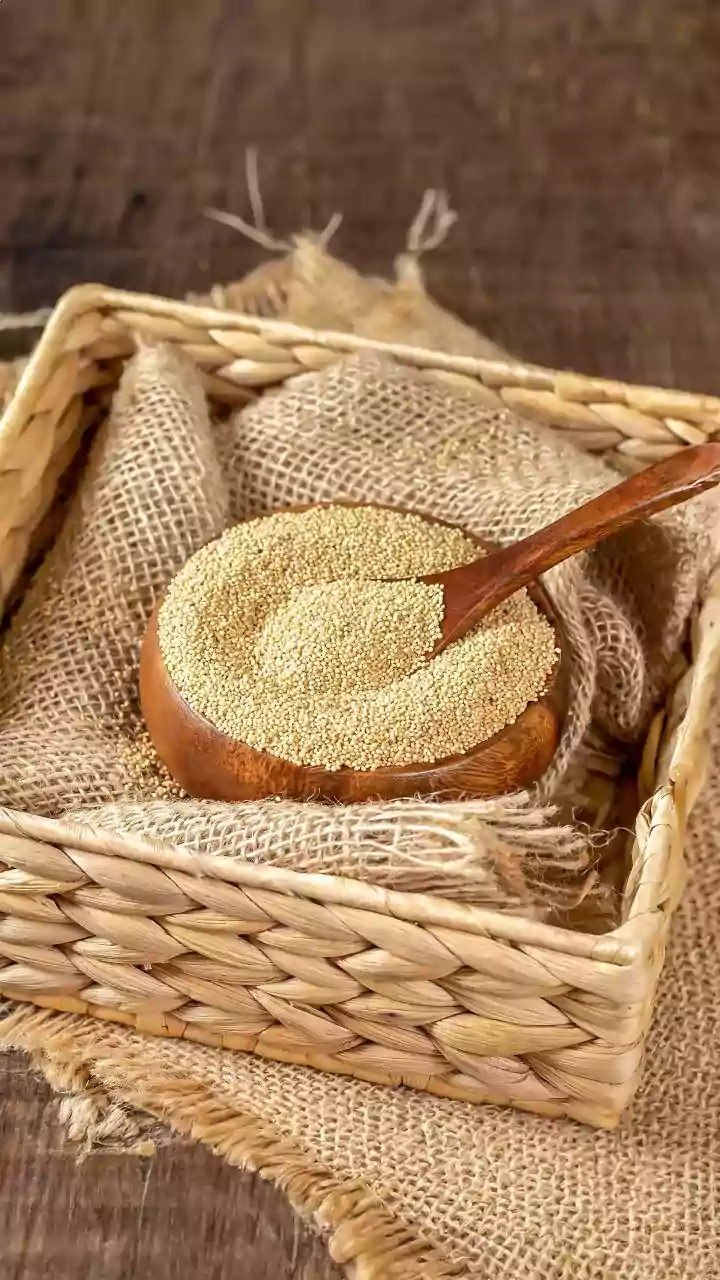
is a profound interest in health—but not the bland, restrictive diet culture of the past. Instead, India’s Gen Z is championing a return to its roots, rediscovering the power of 'nutrient-dense' local and traditional ingredients. Millets like ragi and jowar, once considered humble peasant food, are now starring in chic cafe menus as gluten-free bowls and artisanal breads. Turmeric lattes aren’t just a trend from Los Angeles; they’re a modern take on a centuries-old home remedy. This generation is digitally native, hyper-aware of global wellness conversations, and is smartly applying them to its own rich agricultural heritage. They’re seeking out foods that offer functional benefits, from gut-healthy fermented dishes to plant-based proteins, creating a diet that’s as much about feeling good as it is about tasting good.
In Pursuit of Extreme Flavor
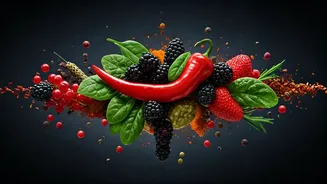
Here’s where it gets interesting. This same health-conscious generation has an insatiable appetite for extreme, high-impact flavors. This isn't just about traditional Indian spice levels; it's about a global palette of intensity. The Korean wave, or 'Hallyu,' hasn't just brought K-pop to India; it's brought an obsession with the fiery, funky taste of gochujang and kimchi. Social media feeds are filled with young Indians taking on 'spice challenges' featuring ghost peppers or flocking to new restaurants serving authentic, searingly hot Sichuan or Mexican cuisine. This craving for intensity is about more than just heat. It’s about a desire for memorable, multi-sensory experiences. They want food that is texturally complex, visually stunning (read: 'Instagrammable'), and unapologetically bold. The subtle, balanced flavors of their parents' generation are being complemented, and sometimes replaced, by a culinary world that dials everything up to eleven.
It's Not a Contradiction, It's an Identity
So, are they health nuts or flavor junkies? The answer is both, and it’s not a contradiction—it's a new identity. Indian Gen Z is using food to express a modern, globalized self that refuses to be put in a box. They see no conflict in starting their day with a green smoothie and ending it with a bowl of ramen that makes their eyes water. This culinary duality is a reflection of their lives. They are deeply connected to their Indian heritage but are also citizens of a digital world without borders. They respect tradition but aren't bound by it. This generation is rejecting the idea that healthy food has to be boring and that flavorful food has to be unhealthy. They are demanding products and experiences that deliver on both fronts, forcing brands and restaurants to innovate at a rapid pace. This is about creating a personal food culture that is authentic to them, blending the wisdom of their grandmothers with the trends they see on TikTok.
Why This Trend Matters
This shift is more than just a passing fad; it’s a powerful indicator of where global food culture is heading. As the world’s most populous nation, what happens with India’s youth has massive economic and cultural implications. Food companies are scrambling to cater to this demographic, launching products that feature 'ancient grains' alongside 'ghost pepper sauce.' The rise of quick-commerce apps in Indian cities means that a craving for kombucha or Korean corn dogs can be satisfied in under 15 minutes, further accelerating these trends. For the U.S. audience, this trend offers a window into the future. It signals a move away from monolithic, stereotyped 'ethnic' cuisines toward a more fluid, personalized, and globally-blended way of eating. The young people driving this change in India aren’t just choosing what to eat for lunch; they are defining the future of flavor.