



The Land Where Clouds Come to Rest
Nestled in the Khasi Hills of India’s northeastern state of Meghalaya, Cherrapunji—now officially known by its traditional name, Sohra—holds a near-mythical status. For decades, it was reputed to be the single wettest place on Earth. While the nearby
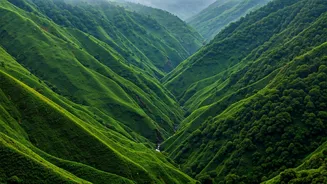
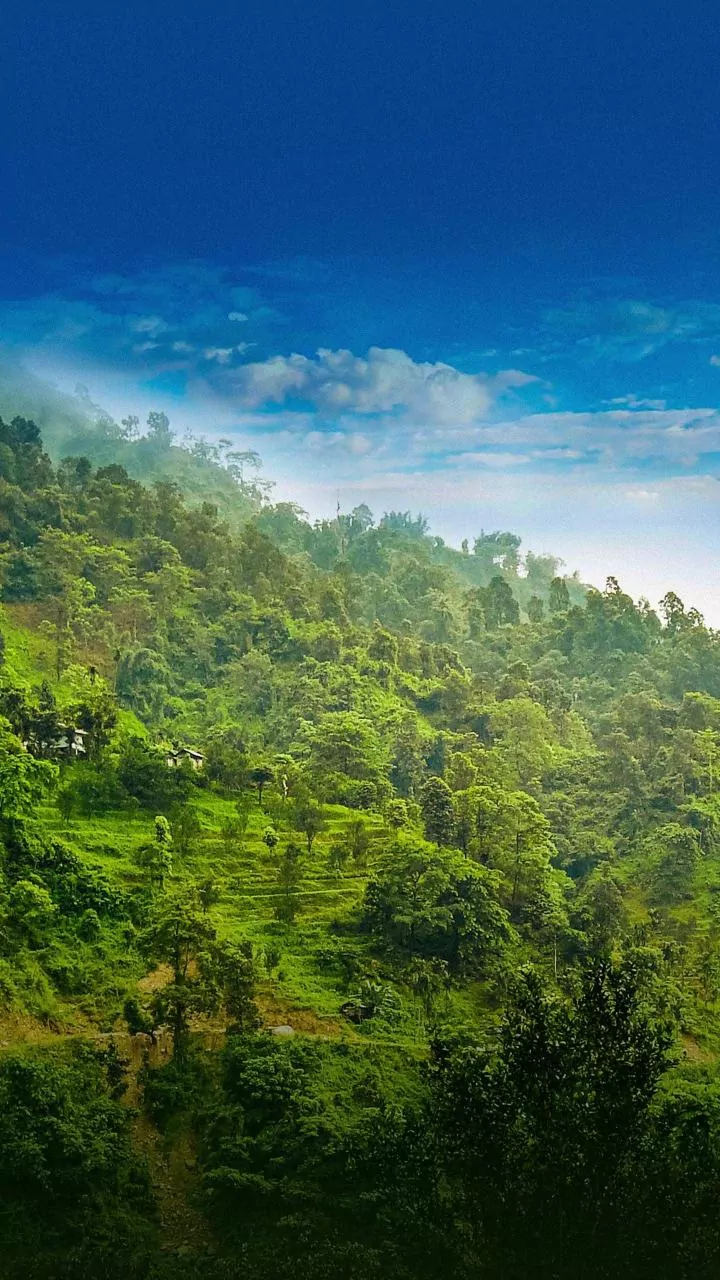
village of Mawsynram now often claims that title, the distinction is academic. This is a region defined by rain. From June to September, the monsoon, sweeping up moisture from the Bay of Bengal, slams into the steep, elevated plateau of the Khasi Hills. This sudden upward thrust of air, known as orographic lift, forces the clouds to release their staggering burden. The result isn't just a drizzle; it's a deluge that breathes life into the entire ecosystem. The air becomes thick with mist, the greenery turns an impossible, luminous shade, and the very ground seems to hum with the sound of water.
Nohkalikai's Tragic, Beautiful Plunge
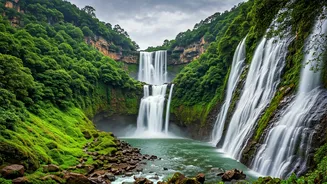
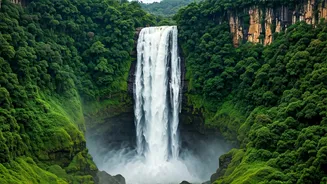
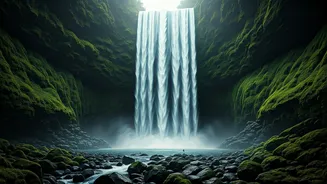
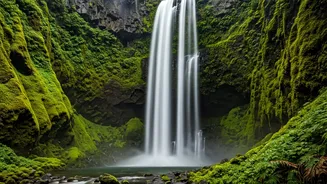
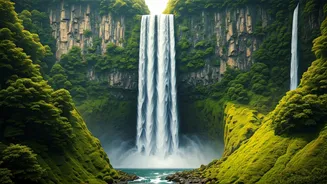
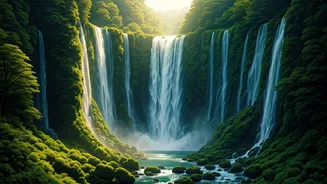
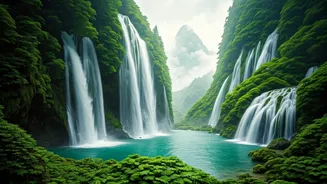
Of all the waterfalls born from this climatic phenomenon, none is more iconic than Nohkalikai Falls. It is the tallest plunge waterfall in India, a single, uninterrupted column of water that drops over 1,100 feet from a verdant cliffside into a turquoise pool below. Its power is mesmerizing, a raw display of nature's force. But its beauty is tinged with sorrow. The name, in the local Khasi language, translates to “Jump of Ka Likai.” Legend tells of a young mother named Likai who, driven to despair by a tragic family event, leaped from the top of the falls. The story adds a haunting depth to the experience of watching the water cascade down. During the monsoon, Nohkalikai is at its most ferocious, a roaring testament to the region’s dramatic weather and equally dramatic folklore.
The Symphony of the Seven Sisters
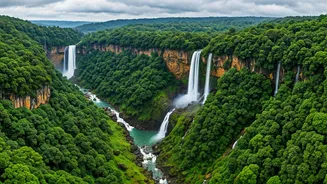
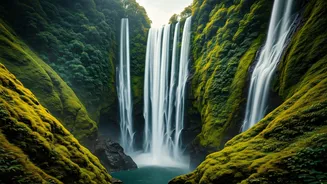
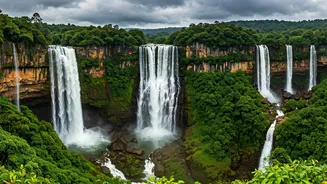
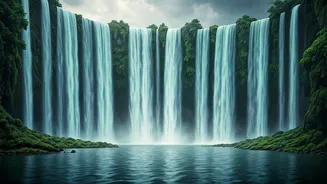
If Nohkalikai is a solo performance, then Nohsngithiang Falls, popularly known as the Seven Sisters Falls, is a grand orchestra. Located just a short drive away, this waterfall is a segmented cascade of seven distinct streams that flow side-by-side over the wide limestone cliffs. It’s a breathtaking panorama, especially on a sunny day following a heavy rain, when the sunlight catches the mist and creates vibrant rainbows. While some of the smaller streams may dry up during the winter, the monsoon transforms it into a thundering, unified wall of water. The sheer scale and beauty of the Seven Sisters offer a different kind of awe—less about singular power and more about the collective, harmonious beauty of a landscape completely saturated with life.
A Reward Forged by Rain
The waterfalls are the headliners, but the true reward of visiting Cherrapunji during the monsoon is witnessing the entire world that the rain has created. This is the home of the famous living root bridges, incredible feats of bio-engineering where the Khasi people have for centuries guided the roots of rubber trees across rivers to form sturdy, living structures. These bridges, which grow stronger over time, are a perfect symbol of the symbiotic relationship between humans and nature in this unique corner of the world. Exploring misty trails, discovering hidden cascades like Dainthlen Falls and Kynrem Falls, and simply breathing in the petrichor—the earthy scent of rain on dry soil—is part of the package. The rain isn't something to be escaped; it's the architect of the entire experience.