


The Himalayan Town Time Forgot
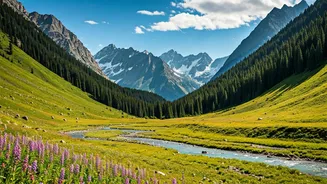
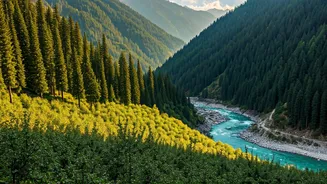
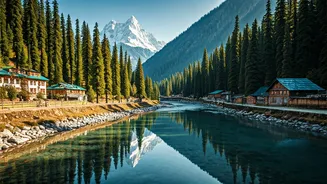
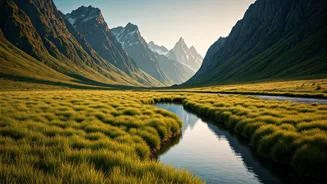
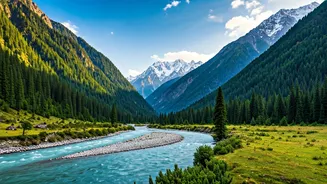
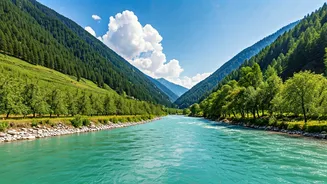
Nestled on the banks of the Bhagirathi River in the Indian state of Uttarakhand, Harsil is what many travelers dream of but rarely find. At an elevation of about 8,500 feet, it’s a place defined more by what it lacks than what it has. You won’t find sprawling
resorts, packed main streets, or a checklist of tourist traps. Instead, you'll discover a cluster of wooden houses, dense deodar forests, and a palpable sense of peace that has become a true luxury. For U.S. travelers accustomed to the grand scale of the Rockies, Harsil offers a different kind of mountain magic—intimate, culturally rich, and refreshingly un-commercialized. It serves as the perfect antidote for the traveler seeking genuine escape over a manufactured experience.
The Apple Bowl of Uttarakhand
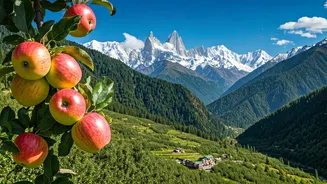
One of Harsil’s most charming claims to fame is its apple orchards. The story goes that in the 19th century, a British settler named Frederick “Pahari” Wilson introduced apples to the region. Today, the valley is renowned for producing some of the sweetest, juiciest apples in the country. A walk through these orchards, especially during the blossom season in spring or the harvest in late summer, is a sensory delight. The air is thick with a sweet, fruity fragrance, and the landscape is dotted with the vibrant red and green of ripening fruit. This agricultural rhythm sets the pace of life here. It’s a slow, deliberate cadence that invites you to wander, taste, and connect with the land in a way that feels both simple and profound.
A Gateway to Sacred Spaces
Harsil isn't just a scenic hideaway; it's steeped in spiritual significance. The valley lies on the pilgrimage route to Gangotri, one of the four sacred Char Dham sites in Hinduism and the source of the holy Ganges River. While Gangotri itself draws massive crowds, Harsil remains a tranquil buffer. Just a short distance away is the village of Mukhba, the winter home of the idol of the goddess Ganga. When the Gangotri temple closes for the harsh winter, the deity is brought down to Mukhba in a ceremonial procession. For visitors, this offers a glimpse into living traditions that have shaped the Himalayas for centuries. Exploring these nearby sites provides a layer of cultural depth that elevates a trip to Harsil from a simple vacation to a meaningful journey.
Embracing the Art of Doing Nothing
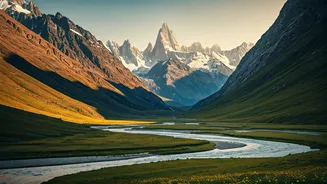
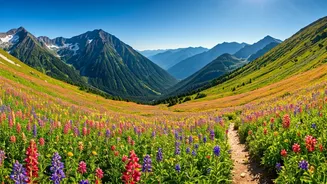
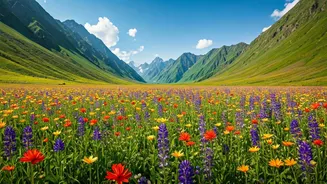
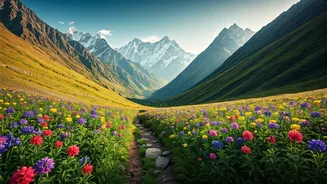
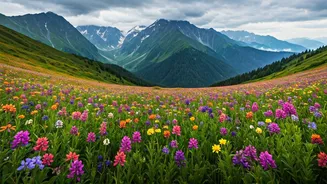
The “offbeat energy” of Harsil truly shines in its activities—or lack thereof. The agenda here is refreshingly empty. Days are best spent on long, meandering walks along the river, finding a sun-drenched rock to read a book, or engaging in quiet conversation with local villagers and guesthouse owners. For the more active, there are gentle treks to nearby meadows and villages that offer staggering views of the surrounding snow-capped peaks. It’s a paradise for photographers, bird watchers, and anyone who understands that the greatest adventures don’t always require an adrenaline rush. Harsil encourages you to unplug, slow down, and simply be present in one of the world's most beautiful classrooms.
Planning Your Himalayan Escape
Getting to Harsil is part of the adventure. The journey typically involves flying into Dehradun’s Jolly Grant Airport (DED) and then undertaking a scenic, full-day drive through the mountains. The best times to visit are from April to June for pleasant weather and from September to November for post-monsoon clarity and the apple harvest. Winters are harsh, with heavy snowfall often cutting off access. Accommodations are cozy and authentic, ranging from family-run guesthouses and homestays to a few comfortable hotels. Don’t expect five-star luxury; instead, anticipate warm hospitality, home-cooked meals, and an unfiltered connection to this incredible corner of the world.