








So, What Exactly Is a Panchang?
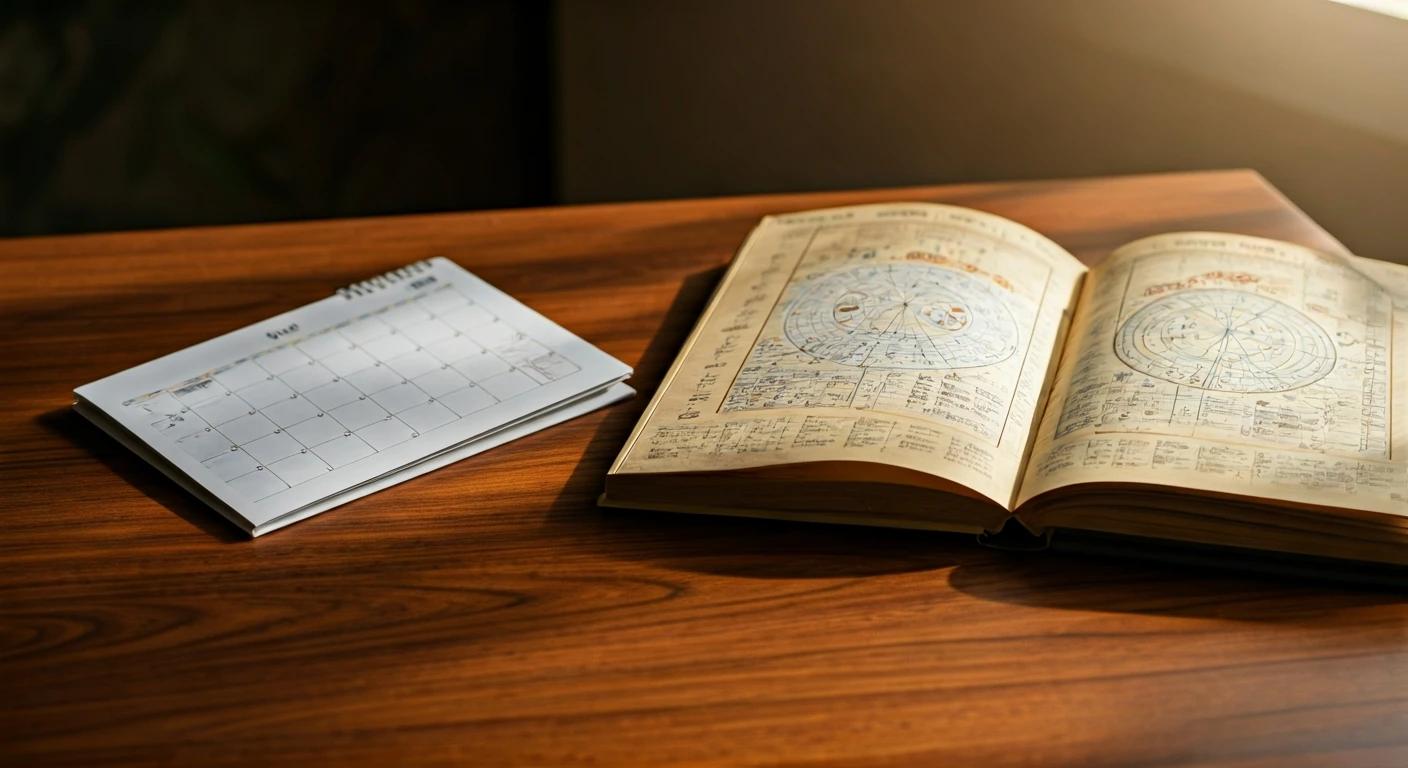
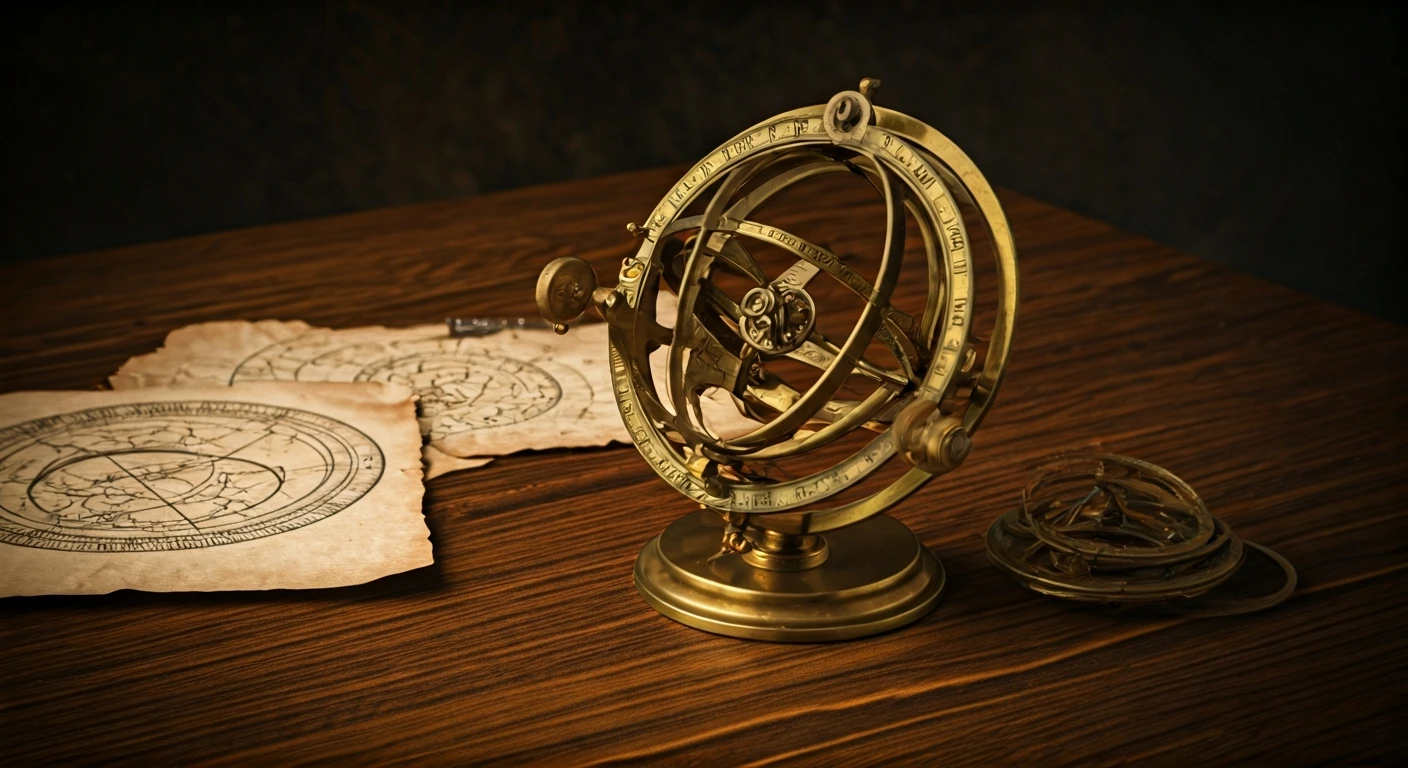
Think of the Panchang as the original productivity app, rooted in thousands of years of Hindu astrological tradition. The name itself, derived from Sanskrit, means 'five limbs' (*panch-anga*), and it’s essentially a detailed almanac that tracks the movement
of celestial bodies. Unlike the simple Gregorian calendar we use daily, which only tracks the sun, the Panchang is a lunisolar calendar. It considers the positions of both the sun and the moon to provide a daily guide on the quality of time itself. The core idea is that not all moments are created equal; some are ripe for new beginnings, while others are better for rest and reflection. For centuries, people in India have consulted it to schedule everything from weddings and business launches to farming and travel.
The Five 'Limbs' of Time
The Panchang’s magic lies in its five key elements, which combine to paint a picture of each day's unique energetic signature. Don't worry, you don't need an astronomy degree to get the gist:
1. Tithi (The Lunar Day): There are 30 tithis in a lunar month, corresponding to the phases of the moon. Some tithis are considered auspicious for growth (like those during the waxing moon), while others are seen as better for letting go (during the waning moon).
2. Vaar (The Solar Day): This is the one you already know—the day of the week (Sunday, Monday, etc.). Each day is ruled by a planet (e.g., Sunday by the Sun, Saturday by Saturn) and carries that planet's associated energy.
3. Nakshatra (The Lunar Mansion): This is a finer division of the cosmos. The moon travels through 27 Nakshatras, or 'star constellations,' in its monthly cycle. Each Nakshatra has its own personality—some are gentle and creative, others are sharp and assertive.
4. Yoga (The Luni-Solar Angle): This represents the combined relationship between the sun and the moon. There are 27 different yogas, each indicating a certain type of cosmic alignment that can either support or hinder activities.
5. Karana (Half a Tithi): This is an even smaller unit of time, with two karanas making up one lunar day. It adds another layer of specificity to the day's quality, distinguishing the energy of the first half from the second.
Finding Your 'Auspicious' Moments
The practical application of all this is identifying what's known as shubh muhurta—an auspicious time window. This is a period when the five limbs align favorably for a specific activity. For example, a day with a gentle Nakshatra, a supportive Yoga, and a growth-oriented Tithi might be perfect for starting a new project, having a difficult conversation, or planting a garden. Conversely, the Panchang also identifies inauspicious times (*ashubh*) or periods of challenging energy (like *Rahu Kaal*), suggesting it’s better to lay low, handle routine tasks, or simply avoid making major decisions. It’s not about predicting the future with certainty, but about choosing to swim with the energetic current rather than against it.
A Panchang Makeover for Your July
So how do you apply this to your packed July calendar? You don't have to overhaul your entire life. Start small. Many websites and apps now offer a daily Panchang forecast in plain English. Here’s how you could use it:
* Planning a big meeting or presentation? Look for a day with a strong 'Siddhi' or 'Shukla' Yoga, which are favorable for success and clarity.
* Starting a new workout routine? Begin on a Tuesday (ruled by energetic Mars) during a Nakshatra known for dynamism and strength.
* Having a heart-to-heart with a loved one? Choose a time under a 'sowmya' (gentle) Nakshatra and avoid the harsh energies of a 'Rikta Tithi' (known as 'empty' lunar days).
* Signing a contract or making a large purchase? Try to avoid the daily Rahu Kaal window, an approximately 90-minute period considered unfavorable for new ventures.
Think of it less as a rigid set of rules and more as an ancient form of mindfulness, a way to bring intention and cosmic awareness to your everyday schedule.