



Why a New Moon Is Your Best Friend
In astronomy, the best light is no light at all. During a new moon, the Moon is positioned between the Earth and the Sun. From our perspective, its illuminated side faces away from us, making it virtually invisible in our sky. This celestial alignment
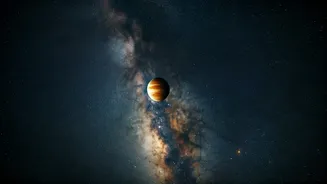
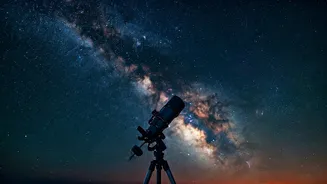
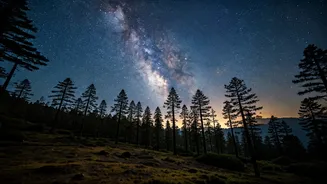
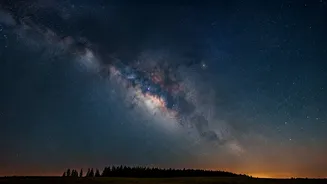
is a gift to stargazers. Without the Moon’s powerful glare—which can be bright enough to wash out all but the most prominent stars—the night sky reveals its true depth. Fainter stars appear by the thousands, deep-sky objects like nebulae become visible with simple binoculars, and the grand, hazy sweep of the Milky Way can finally take center stage. When this happens on a clear summer night like June 15, you have the perfect recipe for an unforgettable evening under the cosmos.
What to Look For in the Summer Sky
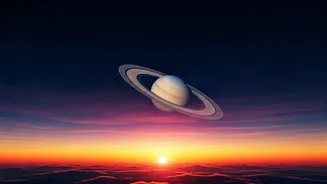
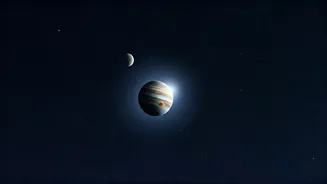
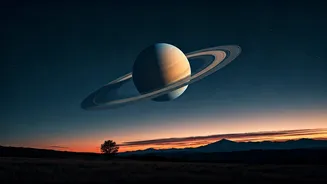
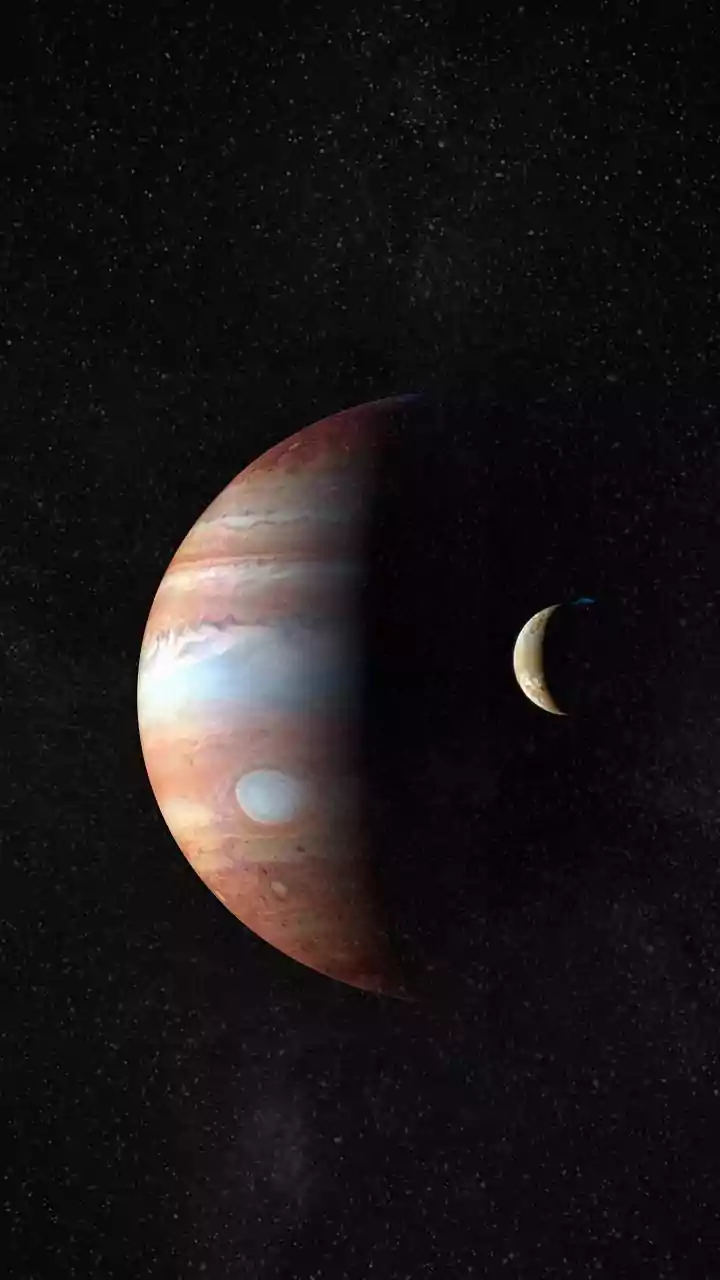
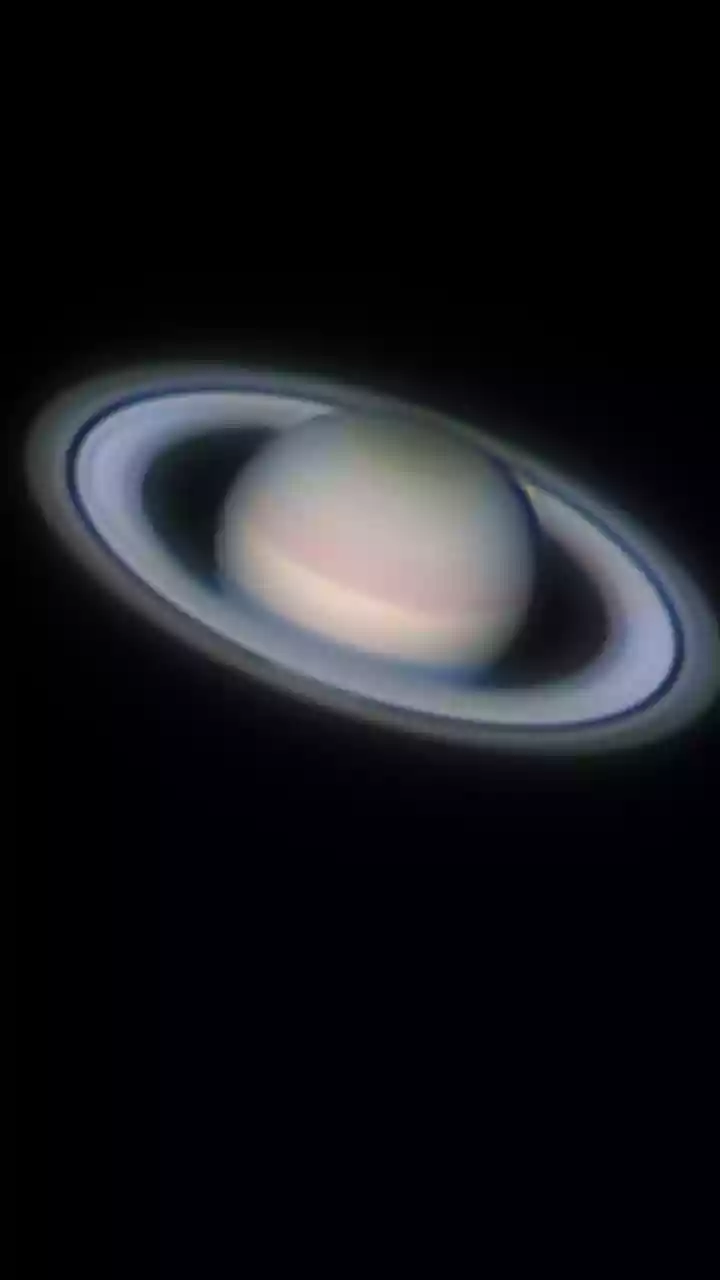
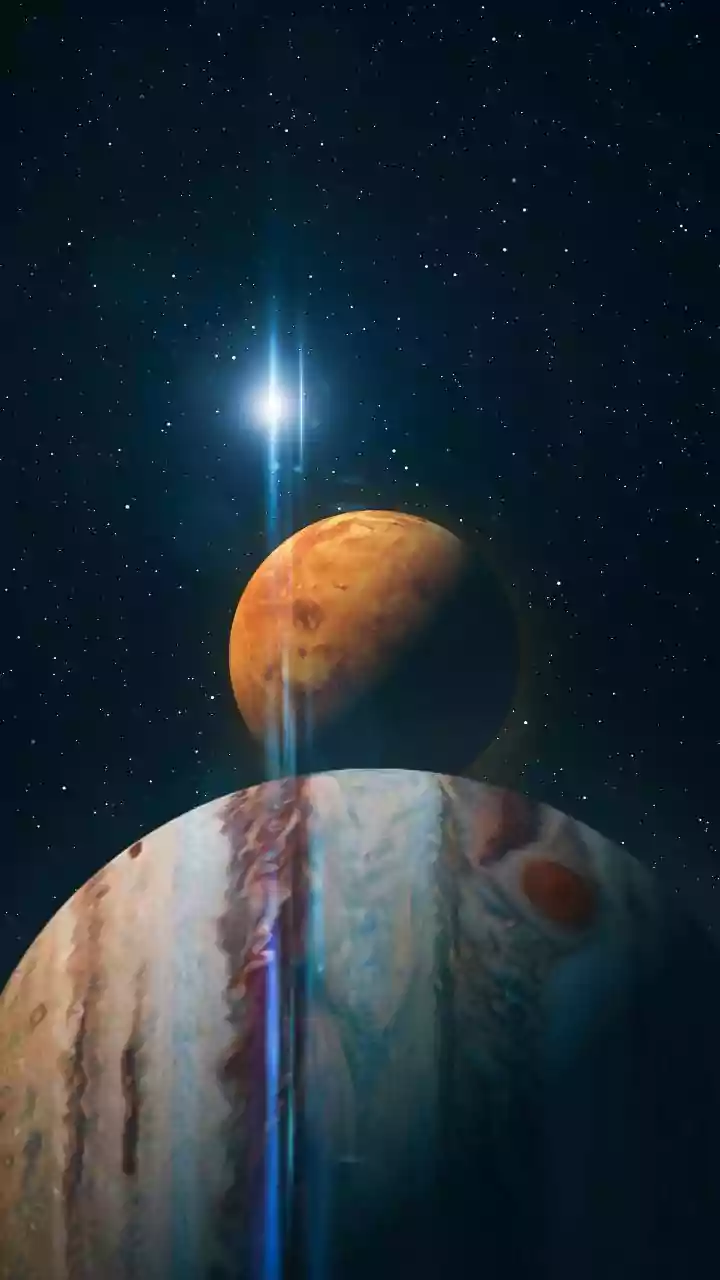
Mid-June nights are rich with celestial landmarks. Your primary target should be the Milky Way. On a truly dark, moonless night, it appears as a cloudy, luminous band stretching across the sky, most prominently from the south. You don't need a telescope; its grandeur is best appreciated with the naked eye. Look also for the 'Summer Triangle,' an unmissable asterism formed by three bright stars from three different constellations: Vega (in Lyra), Deneb (in Cygnus), and Altair (in Aquila). Once you find it, you're looking at the heart of the summer sky. Depending on the year, planets are also on display. In early evening, you might catch Venus setting in the west, while Jupiter and Saturn often rise later in the night, appearing as exceptionally bright, steady 'stars' that don't twinkle.
How to Prepare for a Perfect Night
Your stargazing success depends as much on preparation as it does on the sky itself. The first rule is to escape light pollution. Use a dark sky map online (like darksitefinder.com) to find a park, rural road, or designated viewing area at least 30-40 miles from a major city. The farther you go, the better the view. Second, give your eyes time to adapt. It takes about 20-30 minutes for your pupils to fully dilate and adjust to the darkness. During this time, avoid looking at any white light, especially your phone screen. If you need a light, use a red flashlight or a headlamp with a red-light mode, as red light doesn't ruin your night vision. Finally, dress warmly—even summer nights can get chilly when you're sitting still—and bring a comfortable reclining chair or a blanket to lie on. Cranking your neck for an hour is no fun.
Helpful Tools for the Modern Stargazer
You don't need to be an expert to know what you're looking at. Today, your smartphone can be an incredible astronomical guide. Apps like SkyView Lite, Stellarium Mobile Free, or Star Walk 2 use your phone's GPS and compass to create a real-time map of the sky. Just point your phone up, and the app will identify constellations, stars, planets, and even satellites passing overhead. While you should avoid looking at the bright screen once your eyes have adjusted, these apps are fantastic for getting oriented at the beginning of your session. For a more tactile experience, consider a simple star wheel, or planisphere. This low-tech paper tool helps you identify what's visible at any given date and time, and it won't ever run out of battery.