



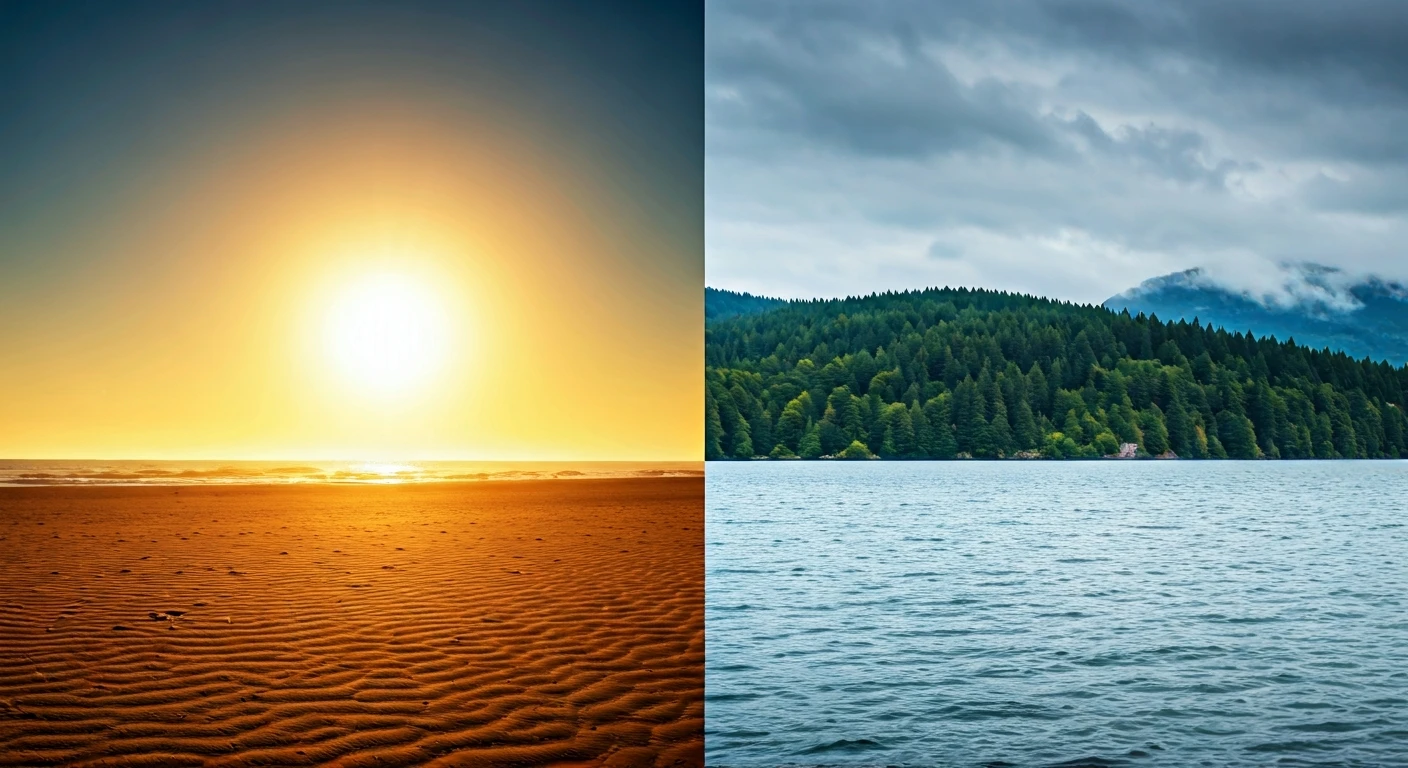


The Rise of the ‘Cool-cation’
Forget the classic summer fantasy of sun-drenched beaches and tropical cocktails. For many, that dream has been scorched by reality. With heat domes becoming a regular feature of the American summer and cities from Phoenix to Austin breaking temperature
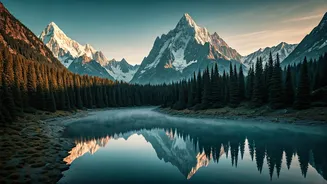
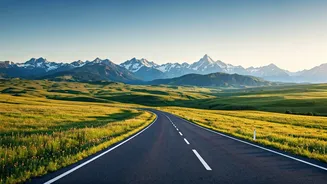
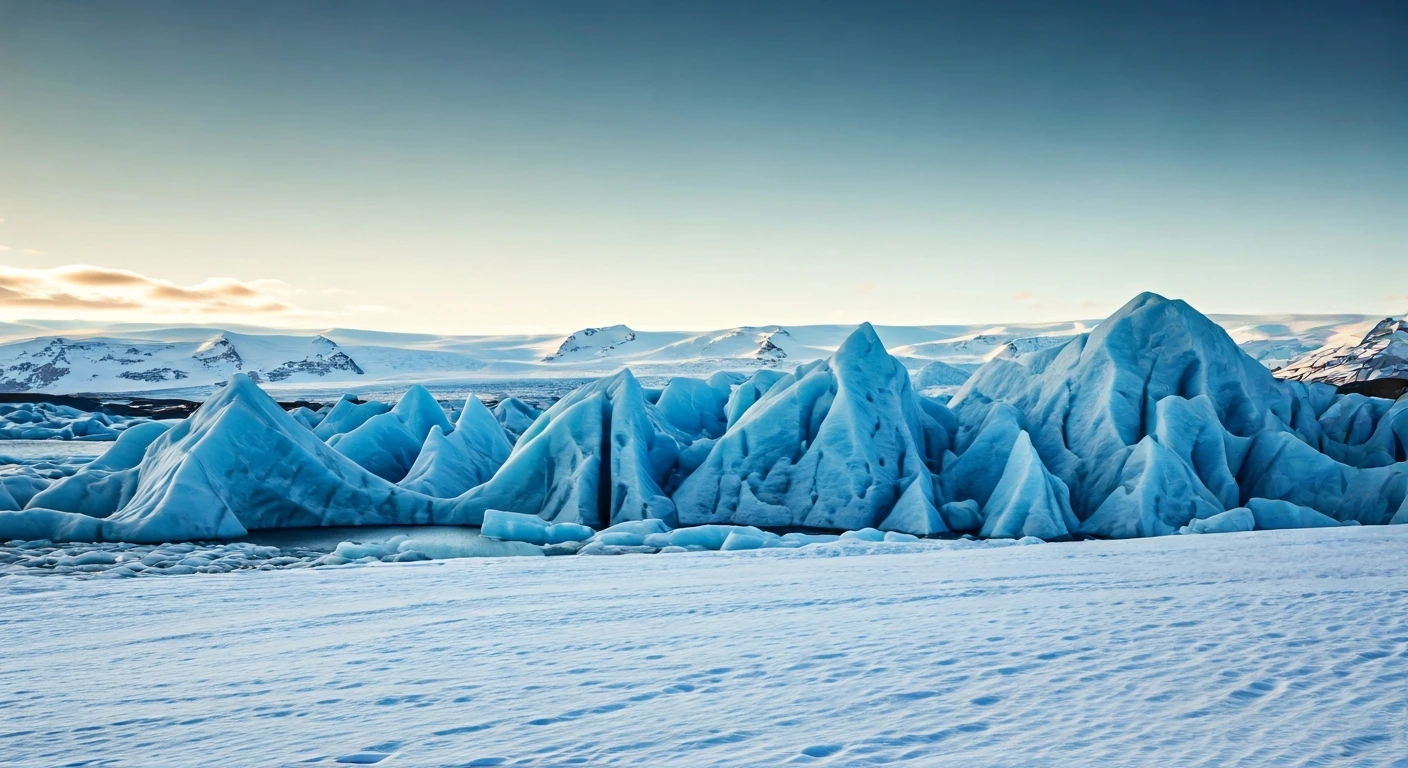
records, the traditional vacation is being reimagined. Enter the “cool-cation,” a travel trend born not of a desire to bake on the sand, but to escape the kiln that much of the country has become. Instead of flocking to the Caribbean, travelers are looking north—way north. Tour operators and travel agents report a surge in interest for destinations like Iceland, Scandinavia, Ireland, and Canada. These aren't just trips; they are strategic retreats from extreme weather. It’s a pragmatic shift driven by a simple, primal need: physical and mental relief from relentless, debilitating heat.
More Than Just a Weather Preference
The language of “survival” in the headline might seem hyperbolic, but it taps into a genuine sense of exhaustion. Psychologically, constant high temperatures are more than just uncomfortable; they are draining. Extreme heat can lead to irritability, fatigue, poor sleep, and a documented decrease in cognitive function. When you can’t enjoy the outdoors, can’t exercise safely, and feel trapped indoors for months, the promise of a trip where you might need a light jacket in July feels less like a luxury and more like an essential reset. People aren’t just booking a flight to see a fjord or a castle; they’re booking a flight to remember what it feels like to take a deep breath of cool, fresh air, to walk for hours without feeling faint, and to sleep under a duvet. It’s a quest to reclaim the simple joys that extreme heat steals.
Where the Heat-Weary Are Headed
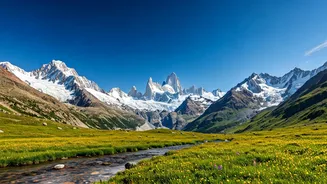
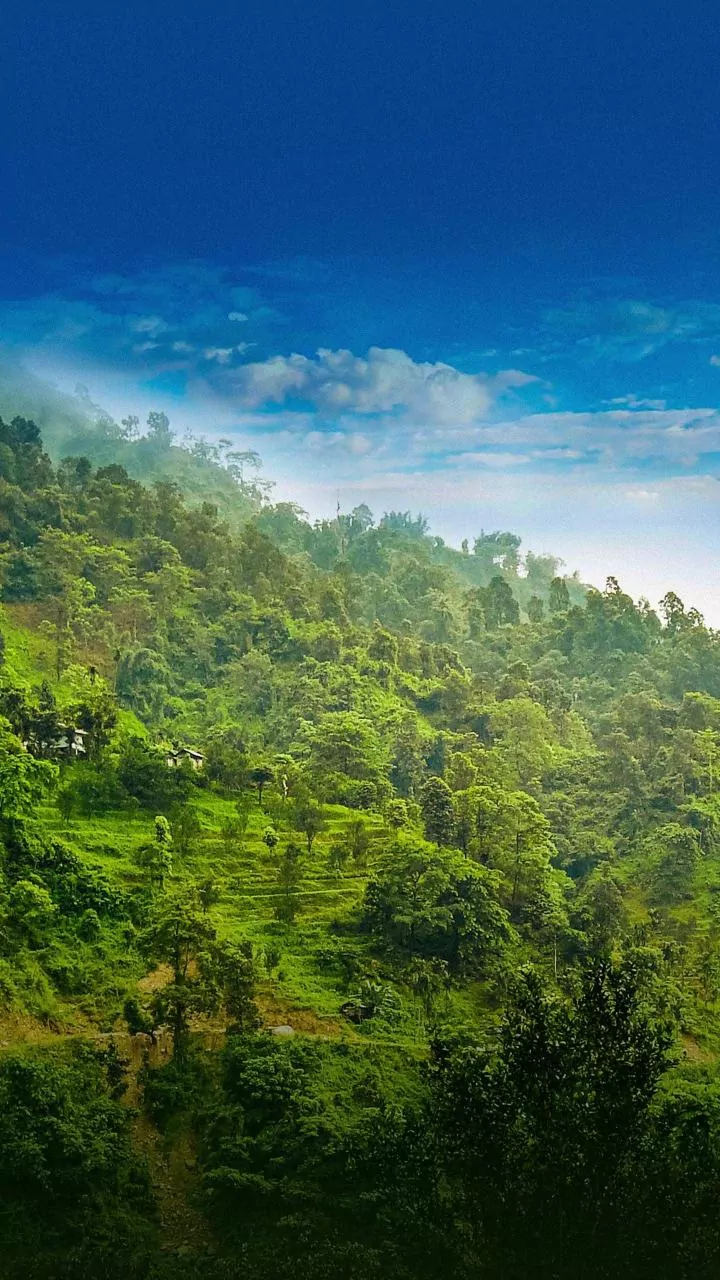
The new travel map for summer is being redrawn with cooler latitudes in mind. The fjords of Norway, the vibrant streets of Copenhagen, and the green landscapes of Scotland are seeing a notable uptick in American tourists. These destinations offer a compelling alternative: daytime highs in the 60s or 70s, long daylight hours for exploring, and a culture that embraces the outdoors. The Southern Hemisphere also offers an inverted seasonal escape, with places like New Zealand, Chile, and Argentina in the midst of their mild winter. Even within the U.S., a domestic version of this trend is taking hold. Travelers are forgoing Florida and Arizona for the milder coasts of Oregon and Washington, the high altitudes of the Rocky Mountains in Colorado, or the temperate breezes of Maine and Vermont. The goal is the same: find a place where summer feels like a season of joy, not a test of endurance.
A Privilege and a Preview
It’s crucial to acknowledge that this form of “climate adaptation” is a solution available only to the privileged. The ability to drop everything and fly to a cooler country for a few weeks is a luxury far out of reach for the vast majority of people, especially the most vulnerable communities who are often hit hardest by extreme heat. For most, surviving the summer means relying on cooling centers, higher electricity bills, and simply enduring the risk. Yet, the cool-cation trend is more than just a passing fancy for the affluent. It serves as a powerful indicator of what’s to come. It’s a preview of how our lifestyles, work patterns, and travel habits may be forced to adapt in a warming world. What is now a choice for some may become a more mainstream consideration as we all grapple with the new realities of our climate.