
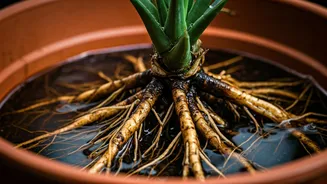


The Silent Killer in Your Pots
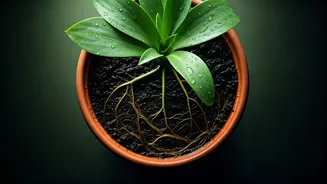
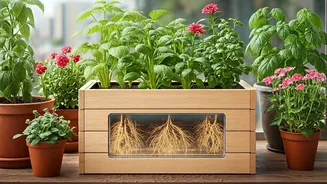
Root rot is the common name for what happens when a plant's roots are deprived of oxygen. Contrary to popular belief, roots don't just absorb water; they also need to breathe. When soil becomes waterlogged, the tiny air pockets that roots rely on fill
with water. This suffocating environment prevents the roots from functioning, leaving them vulnerable to fungi and bacteria that thrive in wet, anaerobic conditions. The result? The root system begins to decay, unable to deliver water and nutrients to the rest of the plant. Above ground, the plant looks thirsty and wilted because, ironically, its dying roots can no longer absorb moisture. This is why simply watering less often isn’t always the solution; the problem is the soil’s inability to drain.
Why Standard Potting Mix Fails
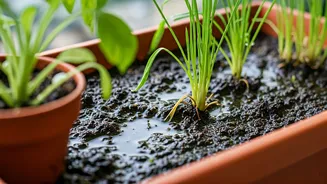
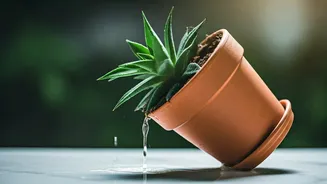
Walk into any garden center, and you'll find bags of all-purpose potting soil. While convenient, these mixes are often designed for mass-market appeal and cost-effectiveness, not optimal plant health. Most are heavily based on peat moss or coir, which are excellent at retaining moisture. While this is useful for starting seeds or for very water-hungry plants, it can be a death sentence for most houseplants, succulents, and perennials grown in containers. Over time, these fine organic particles compact, squeezing out air and creating a dense, sponge-like medium. With every watering, this soil becomes saturated, taking far too long to dry out, especially at the bottom of the pot where drainage is poorest. This creates the perfect breeding ground for the “root killers” the headline warns about.
The Science of a Superior Soil
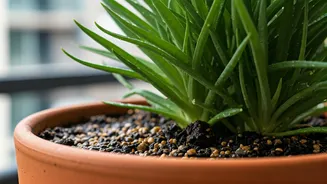
The secret to preventing root rot lies in creating a soil structure that balances water retention with aeration and drainage. This is where a “gravel mix” philosophy comes in. The goal isn't necessarily to use actual gravel, but to incorporate larger, more rigid particles that create permanent air pockets within the soil. These particles—like pine bark fines, perlite, pumice, or horticultural charcoal—don't break down quickly and resist compaction. When water is added, it flows freely through these channels, with the organic components holding just enough for the plant to use. The excess drains away immediately. This structure physically prevents the soil from ever becoming fully saturated, ensuring that roots always have access to the oxygen they need to thrive. It effectively eliminates the swampy conditions at the bottom of the pot where root rot begins.
The Go-To Fast-Draining Formula
Creating your own superior soil mix is surprisingly simple and far more effective than anything you can buy in a bag. While there are many variations, a tried-and-true formula for a wide range of container plants is the “5-1-1” mix. The name refers to its ratio of ingredients by volume (e.g., 5 gallons, 1 gallon, 1 gallon).
Here’s the recipe:
* **5 parts Pine Bark Fines:** This is the structural backbone of the mix. Look for bark screened to a size of ½ inch or less. It provides excellent aeration, resists compaction, and holds a small amount of water.
* **1 part Sphagnum Peat Moss or Coconut Coir:** This component is for water retention. It acts like a sponge, holding moisture for the plant to access between waterings.
* **1 part Perlite or Pumice:** These lightweight volcanic rocks are all about aeration. They create thousands of tiny air pockets and prevent the mix from becoming dense.
Simply mix these three ingredients together in a large tub or on a tarp until they are evenly distributed. For plants that prefer even drier conditions, like succulents and cacti, you can adjust the ratio to be even grittier, perhaps reducing the peat and increasing the perlite.
Making the Switch Successfully
When you switch a plant to this new mix, your watering habits will need to change. Because the formula is designed to drain quickly, you will likely need to water more frequently than you did with a heavy, peat-based soil. However, the risk of overwatering—that is, causing root rot—is virtually eliminated. You can water thoroughly, allowing it to flush through the pot, confident that the roots won't be sitting in a bog. When repotting, gently remove as much of the old, dense soil from the root ball as possible before placing the plant in its new, airy home. This one-time effort to upgrade your soil can be the single most important step you take toward growing healthier, more resilient container plants.