

Beyond the Pan-Indian Menu
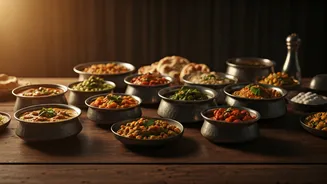
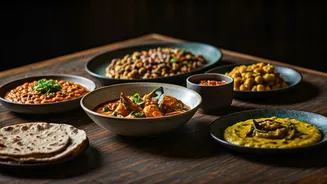
Walk into many high-end Indian restaurants in America, or even in Delhi and Mumbai for years, and you’d find a menu that looked remarkably similar. Dominated by the rich, creamy gravies of North India—specifically Punjabi and Mughlai cuisines—the offerings
were delicious but monolithic. Dishes like chicken tikka masala (a British-Indian invention), malai kofta, and dal makhani became global ambassadors, effectively representing a subcontinent of 1.4 billion people and dozens of distinct culinary traditions. This homogenization was a commercial decision, creating a predictable and palatable brand of “Indianness” for both tourists and a domestic audience seeking a reliable fine-dining experience. But in a country where the food changes every hundred miles, this one-size-fits-all approach left a universe of flavors unexplored, effectively putting the cuisines of 28 states and 8 union territories in the shadows.
A New Guard of Chefs
The change is being driven by a new generation of Indian chefs, many of whom trained in top kitchens around the world. Instead of replicating European cuisine in India, they are returning home with a mission: to apply their fine-dining techniques to the food they grew up with. They are culinary ethnographers, traveling deep into their home states—from the coastal villages of Goa to the mountain communities of Nagaland—to unearth “lost” recipes from grandmothers and tribal elders. Chefs like Avinash Martins of Cavatina in Goa champion the state's complex Portuguese-influenced dishes, while the late, great chef Floyd Cardoz was a pioneer in celebrating his Goan heritage on a global stage. In Mumbai, chef Thomas Zacharias’s former project, The Bombay Canteen, became famous for its playful, modern takes on regional delicacies from across the country. These culinary leaders are not just cooking; they are storytelling, using food to reclaim and celebrate their specific regional identities.
A Taste of the States
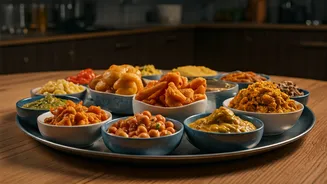
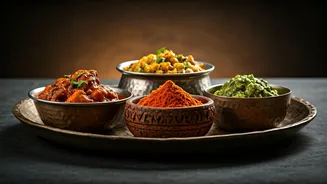
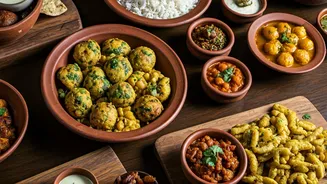
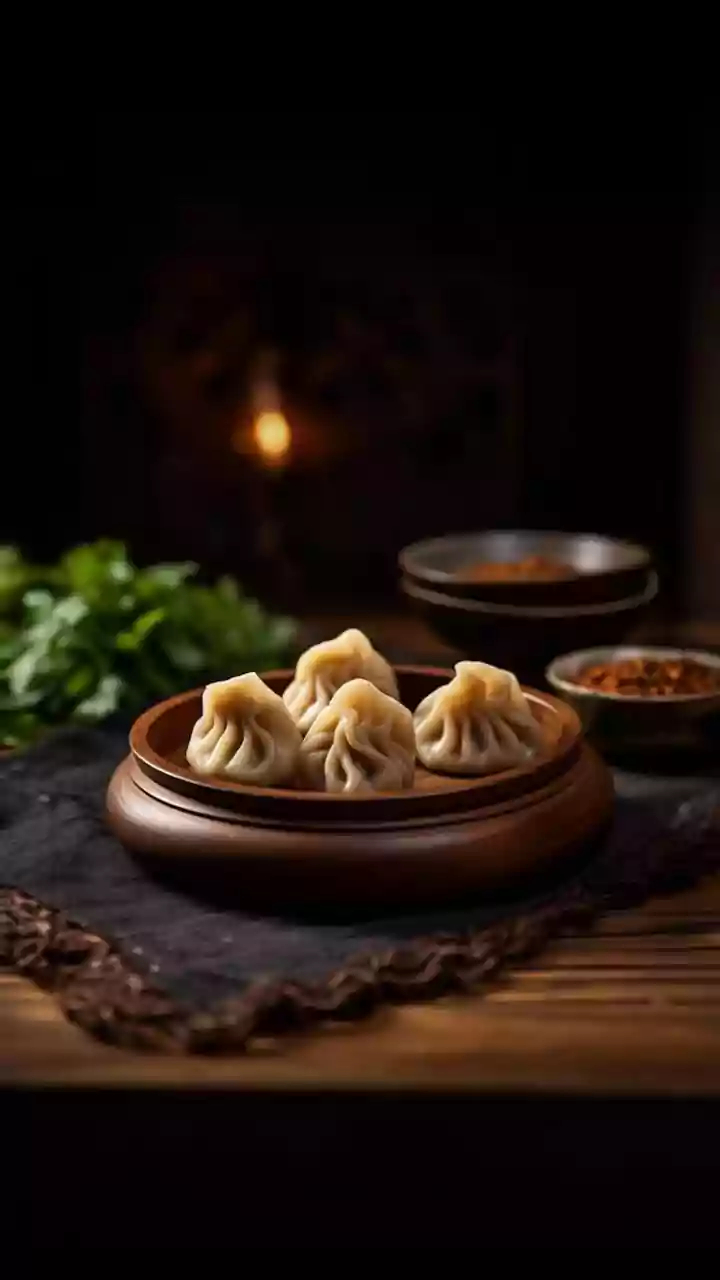
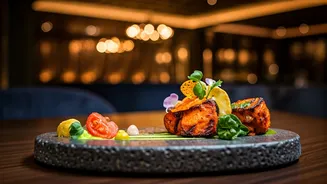
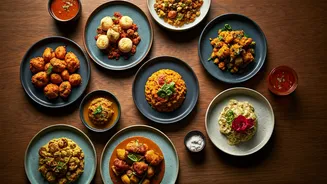
So, what does this state pride taste like? It tastes like the smoky, fire-grilled pork of Nagaland, seasoned with fermented bamboo shoots and the fiery Raja Mircha chili. It’s the subtle, coconut-laced fish stews of Kerala, steamed in banana leaves. It’s the sharp, mustard-oil kick in a Bengali *maacher jhol* (fish curry) or the complex, sour-and-spicy tang of an authentic Goan pork vindaloo, a dish that bears little resemblance to the one-note version often found abroad. Restaurants are now proudly advertising their regional focus. You don’t just go out for “Indian”; you go out for Maharashtrian, Tamil, or Assamese food. This movement is teaching diners—both Indian and foreign—that there is no such thing as a single “curry.” Instead, there are thousands of unique gravies, cooking techniques, and spice blends, each tied to the specific climate, history, and culture of its home state.
Why Now? A Search for Authenticity
Several factors are fueling this culinary patriotism. For one, India’s growing, globally-connected middle class is traveling more within their own country and developing a taste for authentic, regional experiences. Social media has also played a massive role; a beautifully plated dish of, say, Himachali *dham* is far more compelling on Instagram than another bowl of butter chicken. It has made regional food cool and aspirational. Furthermore, there's a deeper cultural current at play. In a rapidly globalizing world, there is a powerful, worldwide trend of people looking to reconnect with their roots. For many Indians, championing their state’s food is a delicious and deeply personal way to assert their identity and push back against a monolithic, stereotyped version of their own culture. It's a declaration that India’s greatest strength, in the kitchen and beyond, is its incredible diversity.