


The Age of the Microtrend Machine
Just a few years ago, fashion trends operated on a seasonal, or at least yearly, basis. Now, thanks to the algorithmic power of platforms like TikTok, trend cycles have accelerated from months to weeks, sometimes even days. This is the era of the microtrend,
or the “-core.” Think of cottagecore’s flowy dresses, dark academia’s tweed blazers, or the sudden, urgent need for a pair of red mesh flats. These hyper-specific aesthetics explode into popularity, dominate feeds, and then vanish as quickly as they appeared, leaving a trail of fast-fashion hauls and barely-worn garments in their wake. Unlike the macrotrends of the past (e.g., ’80s power dressing, ’90s grunge) that defined entire eras, microtrends are bite-sized, disposable, and designed for digital consumption. They provide a fleeting sense of community and identity, but they also create a constant, low-grade pressure to keep up and, more importantly, to keep buying.
The Burnout Is Real
This relentless pace has a name: microtrend fatigue. It’s the distinct feeling of exhaustion that comes from trying to navigate a fashion landscape that changes every time you refresh your For You Page. The excitement of discovering a new style is quickly replaced by the anxiety of obsolescence. By the time your “mob wife” faux fur coat arrives, the algorithm has already moved on to the “eclectic grandpa” look. This burnout is emotional, but it’s also financial. Keeping up with a weekly aesthetic requires a disposable income that few possess and feeds directly into the environmentally damaging cycle of fast fashion. In response, a counter-movement has gained traction: “de-influencing.” Creators and consumers alike are now openly questioning the need for constant newness, encouraging followers to shop their own closets, question impulse buys, and think critically about who benefits from the endless churn of trends.
The Minimalist Antidote
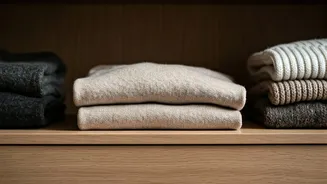
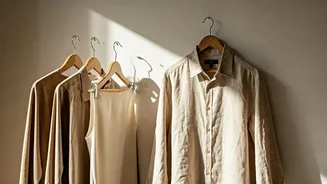
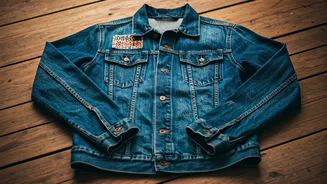
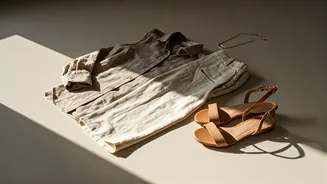
So, where do you go when you’re tired of chasing trends? For a growing number of young people, the answer is back to basics. Minimalism is re-emerging not as a stark, joyless aesthetic, but as a deliberate and powerful rejection of trend-driven consumerism. This isn’t the #Girlboss minimalism of the 2010s. Instead, it’s a style rooted in the classic, durable, and versatile pieces popularized in the ’90s—think perfectly fitting jeans, simple white tees, classic trench coats, and well-made loafers. The goal is no longer to adopt a pre-packaged personality for the week, but to build a personal uniform. The new Gen Z minimalist wardrobe is essentially a capsule wardrobe in disguise: a curated collection of high-quality, interchangeable items that reflect personal taste rather than a fleeting TikTok sound. It prioritizes longevity over novelty and personal expression over algorithmic approval.
More Than Just Clothes
This shift toward minimalism is more than just an aesthetic choice; it’s a pragmatic one. In an uncertain economy, investing in timeless pieces that can be worn for years makes more financial sense than buying cheap clothes that fall apart after three washes. It's also an ethical stance. By opting out of the microtrend cycle, consumers are implicitly protesting the labor practices and environmental impact of the fast-fashion industry, which thrives on the rapid production and disposal of clothing. This movement is about reclaiming a sense of agency. Instead of letting an algorithm dictate your identity, you define it yourself through considered choices. It's a quieter, more confident way of engaging with fashion that values substance and sustainability over fleeting social media validation.