


The Rise of 'Heatstroke Tourism'
It’s a phenomenon you might recognize: booking a trip to a famously hot destination in July, only to find yourself dashing between air-conditioned bubbles, abandoning outdoor plans as temperatures soar past 100°F. Welcome to the era of 'heatstroke tourism,'
a tongue-in-cheek label for the increasingly questionable practice of vacationing in places known for extreme summer heat. For decades, destinations like Florida, Arizona, and Las Vegas have been summer staples. But as climate change fuels more frequent and intense heatwaves, the reality of these trips is changing. Instead of sun-kissed relaxation, tourists often find themselves facing heat advisories, canceled events, and the very real health risks of heat exhaustion and heatstroke. The dream of a perfect poolside afternoon can quickly evaporate when the concrete is hot enough to cook on and the simple act of walking to a restaurant feels like a marathon.
An Antidote Is in Bloom
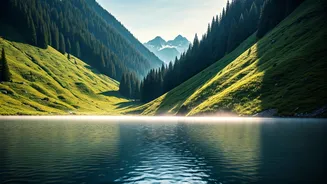
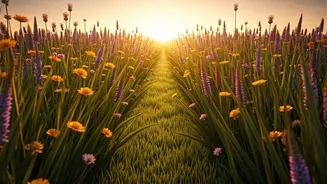
In response, a smarter, gentler form of travel is gaining ground: the flower trip. This isn't just about stopping to smell the roses; it's about planning entire vacations around ephemeral, spectacular floral displays in places that offer a respite from oppressive heat. Think less about enduring the weather and more about celebrating it. The appeal is multi-layered. These trips are inherently visual, providing an Instagram-worthy backdrop of brilliant colors. They guide travelers to destinations with milder, more pleasant climates—coastal regions, mountain valleys, and northern states that are at their peak while the Sun Belt swelters. More importantly, they offer a connection to nature that feels both grounding and exhilarating. Instead of conquering a theme park, you’re witnessing a natural spectacle, a fleeting moment of beauty that feels like a shared secret.
From Superblooms to Lavender Fields
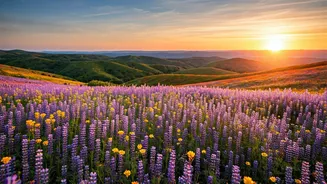
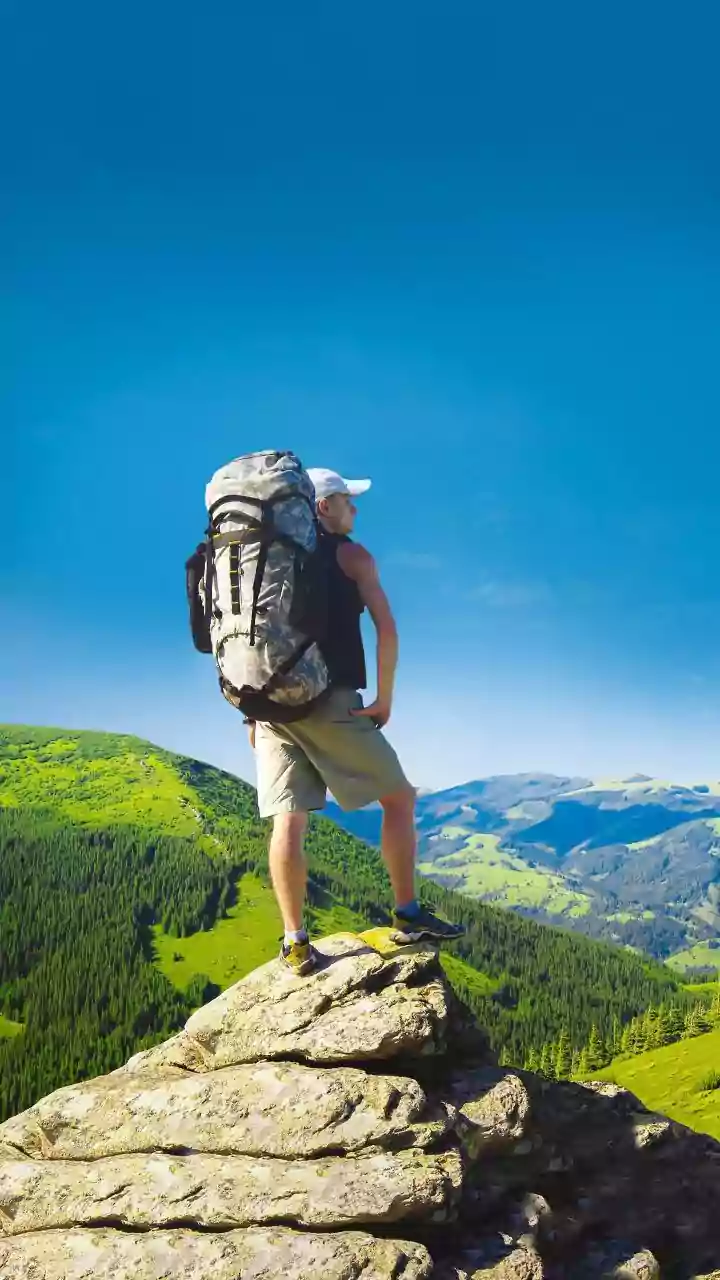
What does a flower trip look like? The possibilities are as varied as the American landscape. The most famous example is the California 'superbloom,' a rare event where a wet winter causes desert landscapes to explode with millions of wildflowers. While unpredictable, the buzz around a potential superbloom now drives significant tourism. But the options are far more consistent and widespread. Each spring, Washington's Skagit Valley Tulip Festival draws hundreds of thousands to its vast, colorful fields, rivaling the famous displays in Holland. In early summer, the lavender fields of Oregon’s Willamette Valley or the North Fork of Long Island, New York, offer a fragrant, purple-hued escape. Further into the season, you can find yourself hiking through meadows of alpine wildflowers in Colorado or Montana, where the air is crisp and the views are endless. These aren't just passive viewing experiences; they’re often accompanied by local festivals, farm-to-table dining, and a slower pace of travel.
It's All Part of 'Cool-Cationing'
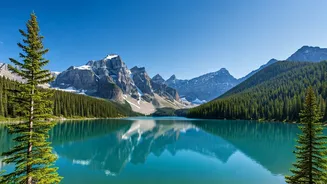
This pivot to petals is part of a broader trend that travel experts have dubbed 'cool-cationing.' A growing number of Americans are now actively prioritizing comfortable weather in their vacation planning, using it as a primary filter for choosing a destination. Search data shows a surge in interest for locations like Maine, Michigan's Upper Peninsula, and the Pacific Northwest during the summer months. It represents a fundamental shift in the calculus of travel. For years, the main factors were cost and attractions. Now, a third, crucial question has been added: 'But what will the weather *feel* like?' This deliberate move away from heat is reshaping tourism maps, boosting economies in traditionally overlooked temperate regions and forcing hot-weather hotspots to rethink their summer strategies. It's a practical adaptation to a changing planet, driven not by politics, but by a simple human desire for comfort and enjoyment.