




1. Goa: A Joyful Leap of Faith
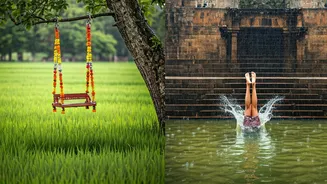
Forget umbrellas. In the coastal state of Goa, the arrival of the monsoon is heralded by the Sao Joao festival, a wonderfully eccentric celebration where revelers, often wearing crowns of fresh flowers called ‘copels,’ take a running leap into overflowing
wells, streams, and ponds. This tradition, observed on June 24th, honors St. John the Baptist and is said to mirror his leap of joy in his mother’s womb. It’s a Catholic festival with a distinctly local, joyous, and slightly wild flavor. Fueled by Feni, a potent local cashew liquor, communities gather for song, dance, and a shared feast of seasonal fruits. The act of jumping into the water isn’t just for thrills; it’s a symbolic baptism, a washing away of the old and a jubilant welcome to the new season of abundance.
2. Rajasthan: The Swings and Songs of Teej
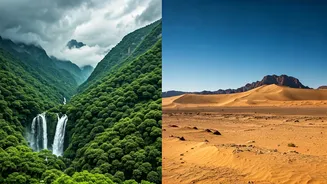
In the arid, desert state of Rajasthan, the first drops of monsoon rain are nothing short of a miracle, transforming the parched landscape into a canvas of green. This transformation is celebrated with Teej, a vibrant festival primarily for women. Dressed in their finest green sarees—the color of new life—women gather to sing traditional songs and, most iconically, ride on ornate swings hung from large trees. The act of swinging symbolizes freedom, romance, and the joyful updraft of the season. Married women pray for the well-being of their husbands, while young girls hope for a good match. It's a deeply cultural and visually stunning affair, where the community comes together to celebrate marital bliss and the life-giving power of the rains that temporarily banish the desert's harshness.
3. Kerala: Boat Races and a Bountiful Harvest
By the time the monsoon recedes in the southern state of Kerala, it leaves behind lush greenery and full rivers, setting the stage for Onam. While technically a harvest festival, Onam is intrinsically linked to the monsoon's bounty. Its most spectacular feature is the Vallam Kali, or snake boat races. Massive, 100-foot-long canoes, each powered by a hundred oarsmen rowing in perfect, powerful synchrony to the rhythm of chanting and drums, slice through the backwaters. The energy is electric, a testament to community and competition. At home, families create intricate floral carpets called ‘pookkalam’ on their doorsteps and prepare the ‘Onam Sadya,’ an elaborate vegetarian feast served on a banana leaf. It’s a celebration of prosperity, mythology, and the natural cycle that the monsoon governs.
4. Mumbai: The Urban Romance of Rain
Not all monsoon celebrations are formal festivals. In the sprawling metropolis of Mumbai, the celebration is more of an atmospheric, daily ritual. The city’s intense, often-unforgiving rains become the backdrop for a unique urban romance. Couples flock to Marine Drive to watch the powerful waves of the Arabian Sea crash against the promenade, getting intentionally drenched. Street food vendors do a roaring trade in ‘cutting chai’ (small, strong cups of spiced tea) and crispy, deep-fried ‘pakoras’ (vegetable fritters)—the quintessential monsoon comfort foods. While the monsoon also brings notorious traffic jams and flooding, for many Mumbaikars, it represents a season of introspection, nostalgia, and a shared, city-wide experience of finding beauty and connection amidst the downpour.
5. Tamil Nadu: Honoring the River Gods
In the southern state of Tamil Nadu, the focus is on gratitude. The Aadi Perukku festival, typically held in late July or early August, is a tribute to the life-sustaining properties of water, particularly the region's rivers like the Cauvery. On the 18th day of the Tamil month of Aadi, families flock to riverbanks to perform pujas (prayers). They offer flowers, rice, and other symbolic items to the water goddess, thanking her for the rains that have filled the rivers and ensured a prosperous agricultural season. It’s a more spiritual and reverent affair than the wild abandon of Sao Joao, but no less significant. For farmers, this festival is a crucial marker, signaling the right time for sowing and planting. It’s a profound acknowledgment that human prosperity is directly tied to the health of its natural water sources.