




More Than Just Food Porn
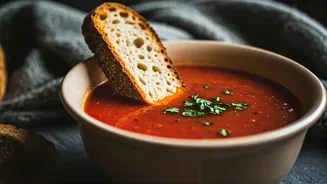
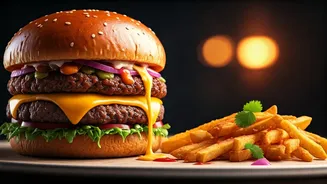
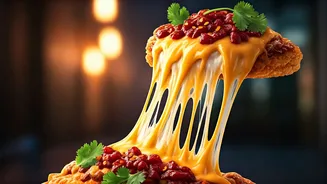
For years, food content online was dominated by “food porn”—glossy, hyper-stylized shots of glistening burgers and impossibly perfect cakes. It was aspirational, aesthetic, and ultimately, a little empty. The new wave of emotional food content is its
folksy, heartfelt cousin. It’s less about the perfect recipe and more about the imperfect, deeply human story behind the dish. This genre trades sterile overhead shots for shaky, handheld videos that feel intimate and diary-like. The stars aren't celebrity chefs; they're ordinary people mining their personal histories for culinary gold. You’ll find videos of adult children making a grandparent's favorite dish for the first time since their passing, or partners preparing elaborate meals as a tangible expression of love. The food is simply the vehicle for a much bigger, more universal narrative about family, memory, grief, and care.
The Algorithm's Appetite for Authenticity
So why is this content exploding now? The answer lies in the mechanics of modern social media. Platforms like TikTok and Instagram Reels are powered by algorithms that reward one thing above all else: engagement. And nothing drives comments, shares, and watch time quite like a potent emotional punch. A perfectly plated avocado toast might earn a like, but a video of someone crying with joy while eating a dish that reminds them of their childhood home? That inspires a connection. Viewers feel compelled to share their own similar experiences in the comments, creating a powerful feedback loop that tells the algorithm, “This is important. Show it to more people.” In a digital landscape saturated with performative perfection, this content feels raw and “authentic,” even when it’s meticulously crafted to appear that way. It’s the perfect recipe for viral success.
Comfort Food for the Chronically Online
For the viewer, the appeal is just as primal. In an increasingly disconnected world, watching someone carefully prepare a meal for a loved one provides a powerful dose of vicarious comfort and connection. It’s a quiet, domestic form of drama that feels both nourishing and low-stakes. These videos tap into a universal love language—the act of feeding someone as an expression of care. Many of the most popular formats are built around this theme. One trend involves people asking their partners, “If you were on death row, what would your last meal be?” and then lovingly preparing it for them. It’s a morbidly sweet premise that cuts straight to a fundamental question: How do I show you I love you? Watching these scenarios play out offers a kind of emotional sustenance, a reminder of the simple, tangible ways we can care for one another, all from the solitary comfort of our screens.
A Bittersweet Aftertaste
But there's a complex, sometimes uncomfortable, side to this trend. When personal grief and intimate moments become monetizable content, the line between sharing and performing blurs. The pressure to consistently produce emotionally resonant videos can lead creators to mine their own lives—and traumas—for engagement. Is the creator having a genuine emotional moment, or are they performing one for the camera because they know it will perform well? This phenomenon, sometimes called “sad-fishing,” turns authentic feeling into a commodity. It creates a dynamic where the audience consumes not just a meal, but another person’s vulnerability. While many creators are genuinely sharing their stories, the algorithmic incentive to heighten the drama is always present. The result can be a feed that feels both intensely human and vaguely exploitative, leaving viewers with a bittersweet aftertaste.