



Meet Moringa, The Green Powerhouse
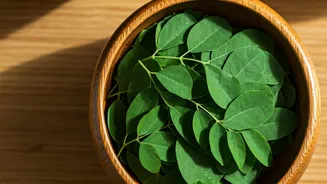
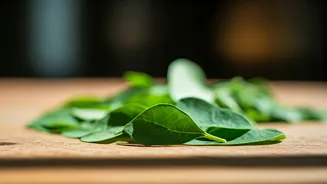
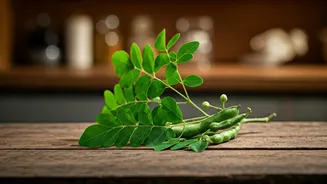
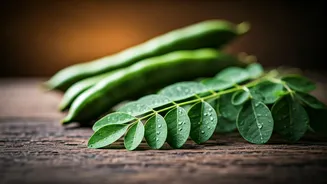
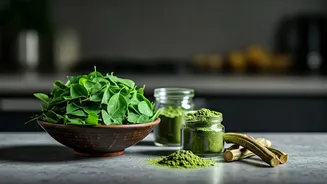
If you’ve spent any time in a health food store recently, you’ve likely seen moringa. Often sold as a vibrant green powder, it comes from the leaves of the *Moringa oleifera* tree, native to parts of India and Africa. Dubbed the “drumstick tree” or “miracle
tree,” moringa has been a staple in traditional medicine and cooking for centuries. So why the sudden buzz in the West? Moringa leaves are packed with nutrients. They’re a source of vitamins A and C, calcium, iron, and protein. While it’s not a cure-all, its impressive nutritional profile makes it an easy way to boost the vitamin and mineral content of a meal. The flavor is distinctly earthy and green, often compared to spinach, matcha, or wheatgrass. This subtle bitterness means a little goes a long way, but it also makes it a versatile ingredient for savory and even some sweet dishes.
The Comfort of a Classic Paratha
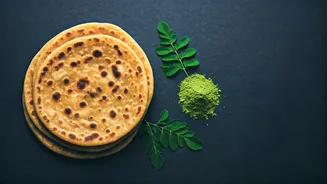
For the uninitiated, a paratha is a quintessential Indian flatbread. Unlike its simpler cousin, roti, the paratha is a layered, pan-fried bread that’s flaky, chewy, and deeply satisfying. Made from whole wheat flour (atta), water, and a touch of salt, the dough is repeatedly rolled and folded with ghee or oil to create its signature flaky texture.
Parathas are a breakfast staple in North India but are enjoyed at any meal. They can be served plain (a perfect vehicle for scooping up curries and lentils) or stuffed with an endless variety of fillings, from spiced potatoes (aloo paratha) and cauliflower (gobi paratha) to paneer cheese and minced meat. It’s the kind of comfort food that transcends borders—warm, rich, and wonderfully filling.
Raita: The Cool, Creamy Counterpoint
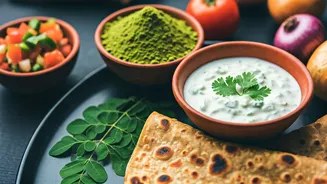
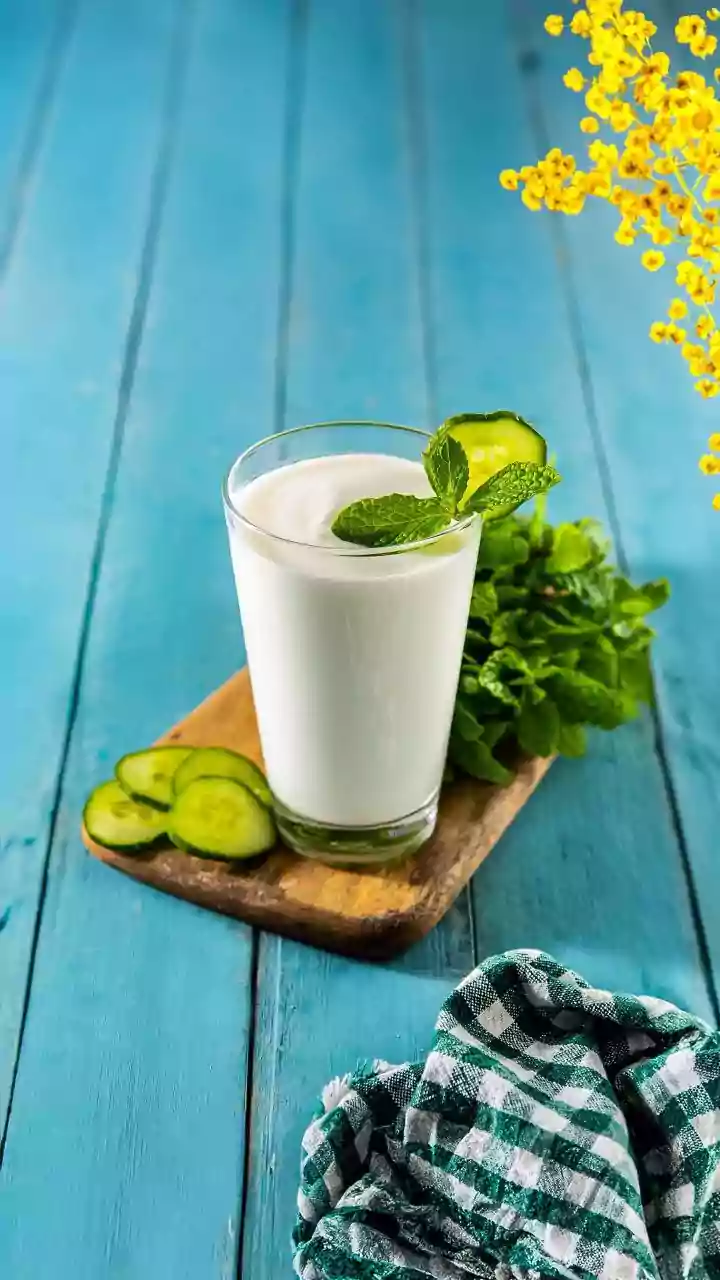
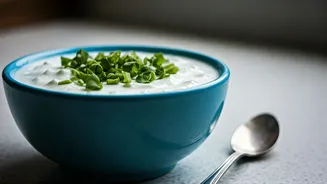
No Indian meal featuring rich, spicy, or fried elements is complete without a cooling side, and that’s where raita shines. Raita is a yogurt-based condiment that acts as a refreshing counterbalance to heat and spice. At its simplest, it’s just yogurt seasoned with a few spices like roasted cumin powder and salt.
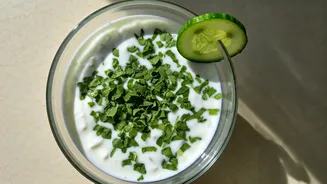
But its beauty lies in its adaptability. Common additions include finely chopped cucumber, onion, and tomato (a classic combination), or fresh herbs like mint and cilantro. Some versions feature tiny fried chickpea flour balls called boondi, which soak up the yogurt and add a unique texture. Raita provides a tangy, creamy element that cleanses the palate and makes the entire meal feel more balanced and complete.
The Fusion: How to Make the Upgrade
So, how do these three elements come together? Adding moringa is a simple, modern twist that infuses these traditional dishes with an extra dose of nutrients without dramatically altering their soul. The key is moderation.
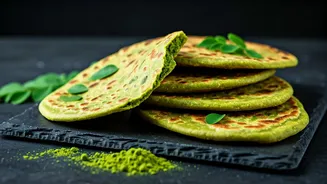
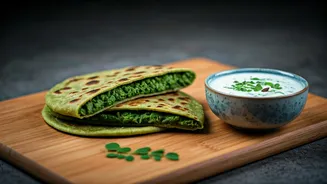
For **Moringa Parathas**, the process is simple: just add one to two tablespoons of moringa powder to the dry flour before kneading your paratha dough. The powder will turn the dough a lovely shade of pale green and impart a subtle, earthy flavor that pairs surprisingly well with the nutty taste of whole wheat. Cook them as you normally would, and you’ll have a beautiful, nutrient-boosted flatbread.
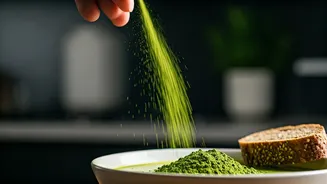
For **Moringa Raita**, the method is even easier. Start with your plain yogurt and whisk in about half a teaspoon of moringa powder per cup of yogurt. Because the raita is uncooked, the moringa flavor will be more pronounced, so it’s best to start small and taste as you go. Add your usual spices, herbs, and vegetables. The moringa blends seamlessly with the tang of the yogurt and the savory notes of cumin, creating a refreshing and uniquely vibrant side dish.