




An Adventure Beyond the Interstate
While America has its iconic drives along sun-drenched coasts and through vast deserts, the Manali-Leh highway offers something entirely different: a challenge. This isn't about cruise control and roadside diners. It’s a rugged, 300-mile journey that
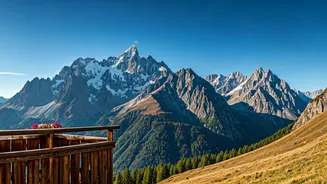
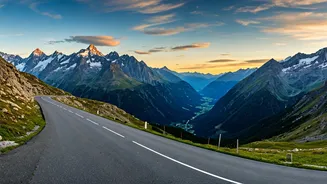
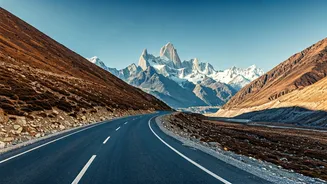
takes at least two days, climbing over some of the world's highest motorable passes. You’re not just crossing state lines; you’re ascending into the sky. The reward for navigating its hairpin bends and unpredictable weather is a profound sense of accomplishment and access to landscapes so dramatic they feel like another planet. This is the trip you take when you want to earn your views.
The Gateway: Green Valleys of Manali
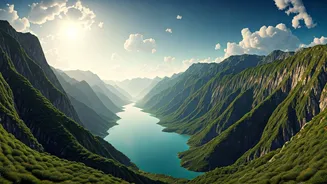
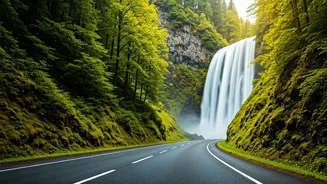
The journey begins in Manali, a bustling hill station nestled in the lush, green Kullu Valley of Himachal Pradesh. Surrounded by pine forests and the roaring Beas River, it’s the last bastion of familiar mountain scenery before the ascent into the high-altitude wilderness. This is where travelers stock up, check their vehicles, and take a deep breath. Manali serves as the perfect prologue, a vibrant town buzzing with the energy of trekkers and adventurers all preparing to head north. Leaving its green embrace feels like stepping through a portal into the stark majesty of the Himalayas.
Conquering the World's Highest Passes
The heart of the Manali-Leh experience lies in its legendary mountain passes. The first major hurdle is the Rohtang Pass (13,058 feet), a notoriously fickle crossing that marks the entry into a drier, more remote region. From there, the road only goes higher. You’ll wind your way over Baralacha La (16,043 feet) and Lachulung La (16,617 feet) before tackling the mighty Tanglang La. At a staggering 17,480 feet, it’s one of the highest motorable passes on the planet. Up here, the air is thin, the weather can turn in an instant, and the views are dizzying. Each conquered pass feels like a victory, marked by colorful Tibetan prayer flags fluttering in the wind.
A Journey Through a Lunar Landscape
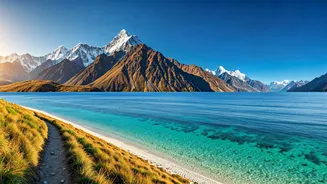
After the high passes, the scenery transforms dramatically. The green valleys give way to the rain shadow of the Himalayas, revealing the high-altitude cold desert of Ladakh. This is a world of stark, breathtaking beauty. Mountains striped with mineral deposits in shades of purple, brown, and ochre rise from barren plains. The road straightens out in places, like the famous Morey Plains, an astonishingly flat plateau at over 15,000 feet that feels like a highway on the moon. Along the way, you might spot nomadic herders with their pashmina goats or glimpse ancient Buddhist monasteries clinging precariously to cliffsides, adding a deep cultural layer to the geological wonder.
Arrival in Leh: The Reward
Rolling into Leh, the capital of Ladakh, is a moment of pure triumph. Situated at around 11,500 feet, this ancient town is an oasis of civilization surrounded by stark peaks. It’s a place to rest, acclimatize properly, and reflect on the epic journey you’ve just completed. With its historic palace, bustling markets, and serene monasteries, Leh isn’t just an endpoint; it's the gateway to further exploration of the wider Ladakh region. But more than that, it’s where the magnitude of the drive sinks in. You didn’t just drive here—you crossed the roof of the world to get here.
Know Before You Go
This trip requires planning. The road is typically only open from June to mid-October, depending on snowfall. The biggest risk is Acute Mountain Sickness (AMS), so building in an overnight stop—often in Jispa or Sarchu—is crucial for acclimatization. While some experienced motorcyclists and drivers tackle it themselves, most travelers opt to hire a local driver with a sturdy 4x4. They know the roads, the weather patterns, and how to handle vehicle issues in a remote environment. Pack layers, sunscreen, and cash, as ATMs are scarce. This isn't a spontaneous weekend getaway; it's a planned expedition.