


The King of Fruits
Forget what you think you know about mangoes. In India, the mango, or *Aam*, is not merely a fruit but an emotion, a cultural cornerstone woven into the fabric of summer. For a few short months, from roughly April to July, the country is swept up in a frenzy
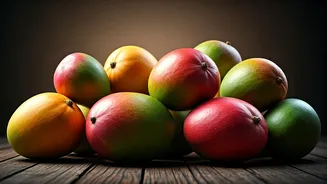
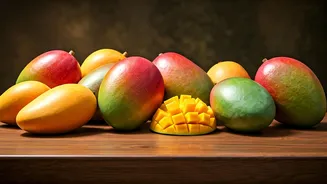
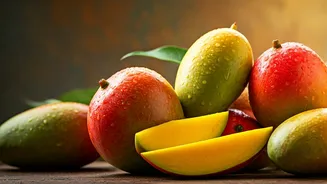
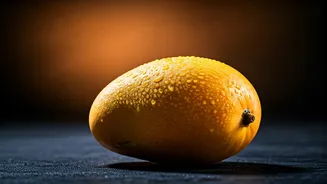
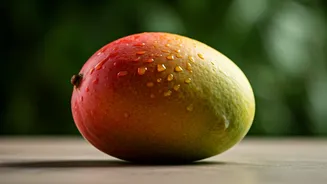
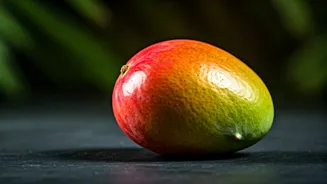
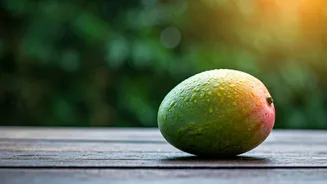
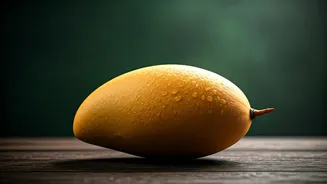
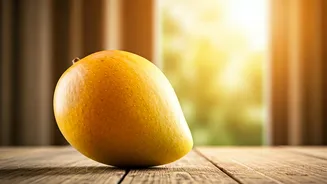
for its most prized possession. And at the heart of this obsession is the Alphonso, a variety so exquisite it’s hailed as the undisputed “King of Mangoes.” Grown primarily along the western coast in states like Maharashtra, the Alphonso is smaller than the ubiquitous Tommy Atkins variety found in most American supermarkets. It has a thin, delicate skin that blushes from green to a golden saffron yellow. But its real magic is on the inside. The flesh is a deep, uniform orange, completely fiberless, and melts in your mouth like butter. The flavor is a complex symphony of sweetness, with notes of honey, citrus, and apricot—a taste so profound that for many, it defines the very essence of summer.
The Long Road to America
For decades, this experience was little more than a rumor for most Americans. While India is the world's largest mango producer, a U.S. ban imposed in 1989 over concerns about fruit flies and other pests kept the Alphonso and other prized varieties out of the country. For nearly 18 years, anyone in the States craving a true Indian mango had to rely on canned pulp or the wistful memories of a past trip. That all changed in 2007 when, after years of negotiation, the ban was lifted. The agreement stipulated that all mangoes bound for the U.S. had to undergo a process of low-dose irradiation to ensure they were pest-free. This breakthrough opened the door, but the journey from Indian orchard to American fruit bowl remained fraught with challenges. The short season, the fruit's delicate nature, and the complex logistics of cold-chain storage and international shipping meant that only a trickle of this liquid gold made its way overseas.
From the Farm, With a Story
This is where the farmers enter the global picture. Traditionally, Indian mango farmers sold their crops to a long chain of middlemen, losing control over quality and a significant chunk of their profits. The mango that left their farm was often not the one that reached the end consumer, having been mishandled or artificially ripened along the way. But a new generation of farmers and tech-savvy exporters is rewriting this script. By embracing direct-to-consumer models, they are now connecting directly with a global audience. Farmers’ cooperatives and modern export houses are implementing rigorous sorting and packing standards right at the source. They use digital platforms to tell their story, showcasing the specific orchard where the fruit was grown and the natural farming methods used. Each box of mangoes is no longer a generic commodity but a curated product, often arriving with a QR code that traces its journey back to the very tree it came from.
A Taste of Authenticity
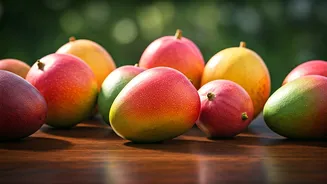
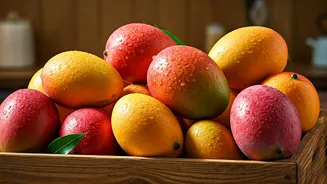
For American consumers, this shift has been revolutionary. Instead of a single, often disappointing mango variety, specialty grocers and online retailers now offer a dazzling array of Indian mangoes during the season—from the fragrant Kesar of Gujarat to the sweet Banganapalli of Andhra Pradesh. Discerning foodies are willing to pay a premium, not just for the superior taste but for the story and the connection to the producer. This isn't just about finding a better fruit; it’s about participating in a cultural experience. It’s the joy of knowing your purchase directly supports a farmer who has dedicated their life to perfecting their craft. By cutting out the middlemen and taking control of their narrative, Indian farmers are ensuring that the mangoes arriving in American homes are the same quality that they would serve to their own families, transforming a seasonal harvest into a truly global culinary event.