


Beyond the Raita and Kachumber
For generations, the Indian answer to a cooling side dish was a small bowl of *raita* (yogurt dip) or a sprinkle of *kachumber*, a chopped mix of tomato, onion, and cucumber served more as a condiment than a course. These weren't salads in the American
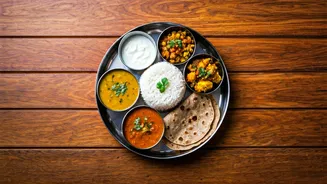
sense of a leafy, meal-sized bowl. They were accents—bright, sharp counterpoints to rich curries and hearty flatbreads. The idea of a cold, raw salad as the main event was largely foreign, often viewed as 'diet food' or something you’d order from a continental menu. The main meal was expected to be warm, cooked, and substantial, a principle deeply woven into the fabric of Indian home cooking.
The Anatomy of a 'No-Fuss' Salad
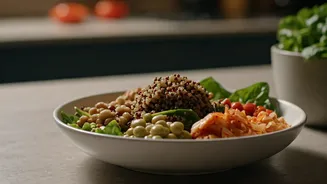
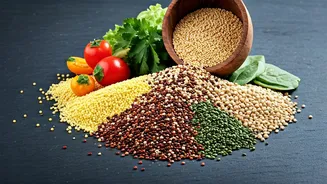
So, what does a winning Indian summer salad look like? Forget heavy, mayonnaise-based dressings or wilted iceberg lettuce. These are vibrant, textural bowls built on the foundation of seasonal produce. Think crunchy sprouted mung beans, sweet corn, and juicy pomegranate seeds. Diced mangoes, crisp cucumbers, and finely chopped onions are staples. The dressings are light and zesty, often a simple squeeze of lime juice, a pinch of black salt (*kala namak*), and a sprinkle of roasted cumin powder or chaat masala. Some variations might include a light tempering of mustard seeds and curry leaves, a nod to South Indian traditions like *kosambari*. The goal isn't to mimic a Western Caesar or cobb salad; it's to create something uniquely suited to the Indian palate and climate—refreshing, hydrating, and packed with flavor without being heavy.
A Response to Heat and Health
This trend isn't happening in a vacuum. It's a direct response to two powerful forces: climate and wellness. With Indian cities experiencing increasingly brutal summers, the appeal of a hot, heavy lunch diminishes. A cool, hydrating salad requires no stove, keeps the kitchen from heating up, and provides genuine physical relief. Simultaneously, a growing urban middle class is more health-conscious than ever. Influenced by global wellness trends and a renewed interest in mindful eating, many are looking for lighter, nutrient-dense meals that fit into busy lifestyles. A no-fuss salad checks all the boxes: it's quick to assemble, low in calories, high in fiber, and perfectly Instagrammable—a symbol of modern, conscious living.
A Modern Twist on Tradition
What makes this culinary shift so compelling is that it’s not about abandoning tradition but reinterpreting it. Many of these 'new' salads are simply deconstructed or updated versions of age-old recipes. The aforementioned *kosambari* from Karnataka, a simple salad of soaked lentils, cucumber, and coconut, is a perfect example of a traditional dish finding new life. Chefs and home cooks are taking the core principles of Indian flavors—the balance of sweet, sour, spicy, and savory—and applying them to a new format. It’s an evolution, not a replacement. This creativity shows a culinary culture that is confident and adaptable, able to absorb new ideas while staying true to its roots. The no-fuss salad is a testament to the ingenuity of Indian home cooking in the 21st century.