
The Peak of Performative Eating
For the better part of a decade, the algorithm ruled the menu. Restaurants and cafes, particularly in major cities, entered an arms race to create the most visually arresting, shareable, and frankly, absurd dishes possible. This was the era of 'stunt
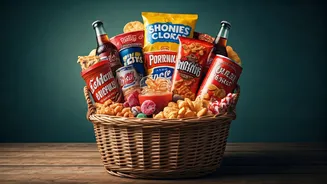
food.' Think rainbow bagels that stained your hands, lattes dusted with gold glitter, and cheese pulls so epic they required an athletic stance to capture. The primary ingredient wasn't flavor; it was spectacle. These creations were engineered for Instagram. Their success was measured not in clean plates but in tags, shares, and likes. Food became a prop in the curated narrative of a fun, vibrant life. The experience of eating was secondary to the act of documenting. You didn't just go for a milkshake; you went to conquer the 'Everest of Desserts' and get the photo to prove it. This maximalist approach treated food like a cartoon—bright, loud, and lacking any sense of nuance.
A Collective Case of Indigestion
Like any sugar high, the crash was inevitable. Diners began to experience a kind of aesthetic fatigue. The problem with food designed exclusively for the camera is that it often forgets to be, well, food. Those rainbow bagels tasted like regular, slightly stale bagels. The gravity-defying burgers were impossible to eat. The entire experience started to feel hollow and inauthentic.
This disillusionment coincided with a broader cultural shift on social media. After years of chasing a flawless, filtered version of reality, users began craving authenticity—or at least a more convincing performance of it. The backlash against influencers, the rise of casual 'photo dumps,' and the 'de-influencing' trend all signaled a weariness with hyper-curated perfection. Stunt food, the ultimate symbol of trying too hard, began to look dated and even a little desperate.
Enter the 'Effortless' Aesthetic
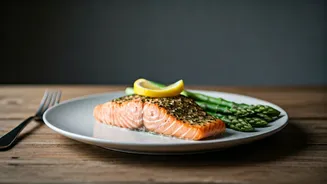
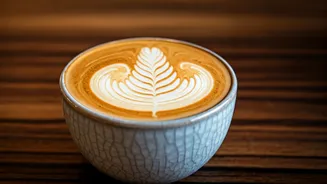
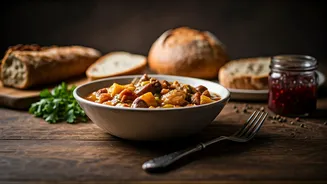
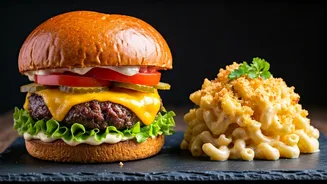
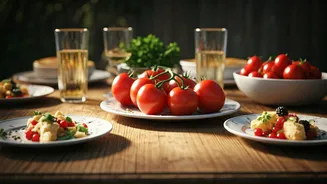
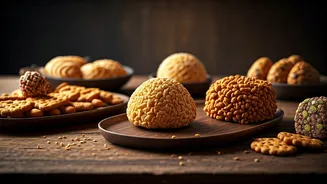
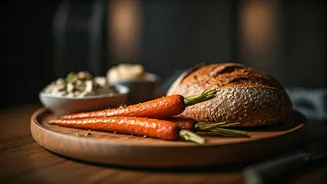
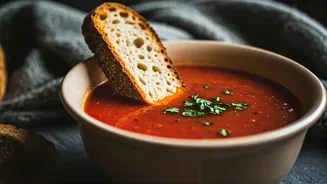
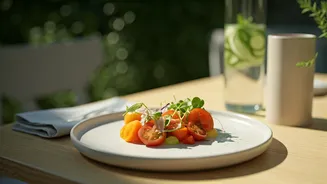
So, what has replaced the freakshake? The new camera-ready food is defined by its subtlety. It’s still beautiful and meticulously composed, but its goal is to look effortless. Think of a rustic loaf of sourdough with a craggy, flour-dusted crust, sitting on a wooden board. Picture a simple bowl of cacio e pepe, the pasta glistening under a beam of natural afternoon light. Or a slightly messy dinner table, captured from above, showing half-eaten dishes, a rumpled linen napkin, and a glass of wine.
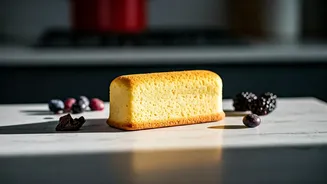
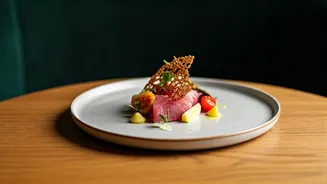
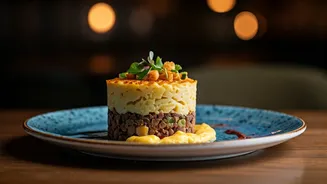
The new aesthetic champions naturalism. The colors are earthy and muted, the lighting is soft and unforced, and the composition feels spontaneous, even if it took ten minutes to arrange. It’s less about shouting for attention and more about whispering an invitation. The aspiration is no longer, “Look at this crazy thing I’m eating!” but rather, “Look at this beautiful, simple, and delicious moment I’m having.”
From Stunt Food to Story Food
This shift represents a maturation in how we document our lives online. The focus has moved from the 'what' to the 'how' and 'why.' A picture of a perfect, wobbly panna cotta isn’t just about the dessert; it’s about a quiet moment of indulgence. A photo of a farmer's market haul tells a story about freshness, seasonality, and the joy of cooking. This is 'story food.'
Instead of being a sterile prop, the food is now part of a larger narrative. It’s about conveying a mood—coziness, sophistication, rustic simplicity—rather than just a visual gag. This style feels more personal and intimate. It suggests that the person behind the camera has good taste, not just access to a novelty cafe. It aligns with broader trends like 'quiet luxury,' where value is found in quality and craft, not loud logos and flashy displays. The food is still performing for the camera, but the performance has become more sophisticated.