





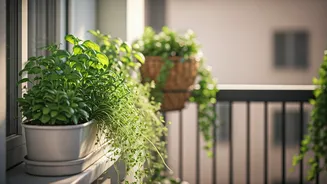
The Rise of the Countertop Crop
The countertop garden isn’t just a charming quirk; it’s a practical response to modern life. As more Americans live in apartments, condos, and smaller homes, the traditional backyard plot has become a distant dream for many. Yet, the desire for fresh,
organic, and locally sourced food has never been stronger. This trend sits at the intersection of several cultural shifts: the wellness movement’s emphasis on clean eating, a growing awareness of food miles and sustainability, and a biophilic urge to bring the calming presence of nature into our tech-saturated homes. For urban dwellers and those with limited mobility, a kitchen garden offers a powerful sense of self-sufficiency and connection to what they eat. It transforms a purely functional space into one that is living, growing, and productive.
Choose Your Method: Soil vs. Hydroponics
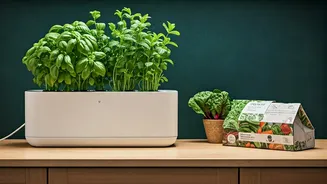
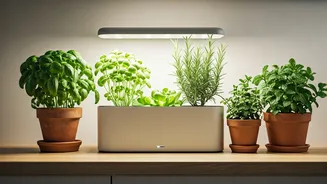
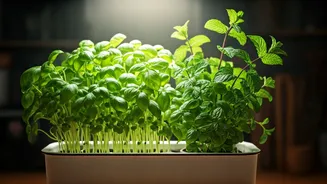
Getting started is easier than ever, thanks to a range of accessible methods. The traditional approach involves simple pots with high-quality potting soil. This is a low-cost entry point, perfect for a few favorite herbs on a sunny windowsill. However, the real game-changer for countertop gardening has been the rise of soil-free hydroponic and aeroponic systems. These self-contained units, like those from brands such as AeroGarden or Click & Grow, use nutrient-rich water and built-in LED grow lights to create a perfect, automated growing environment. While they represent a larger initial investment, these all-in-one kits eliminate guesswork, minimize mess, and often yield faster, more reliable results, making them ideal for busy people or beginners who are nervous about their green thumb (or lack thereof).
The Best Plants for Your Mini Garden
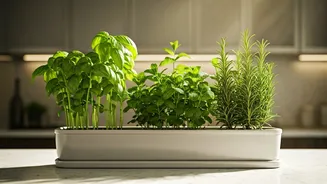
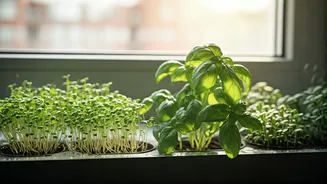
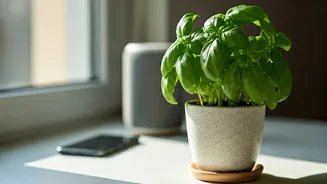
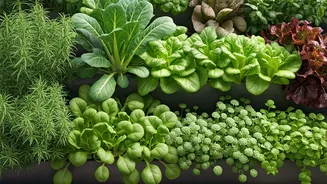
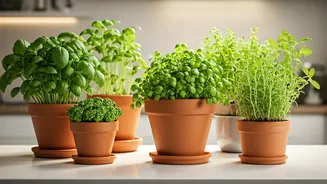
Not all plants are suited for countertop life. The key is to choose compact, fast-growing varieties. Culinary herbs are the undisputed champions of the countertop garden. Basil, mint, parsley, cilantro, chives, and rosemary are all excellent candidates, providing fresh flavors that can elevate any meal. A snip of fresh basil for your pasta sauce or a sprig of mint for your water is always within arm’s reach. Beyond herbs, many varieties of leafy greens thrive indoors. Loose-leaf lettuce, spinach, and arugula can be harvested leaf by leaf for endlessly fresh salads. For the more ambitious, there are even dwarf varieties of fruiting plants, such as cherry tomatoes and small chili peppers, that can produce a surprisingly robust harvest in a compact hydroponic system.
Light, Water, and a Little Love
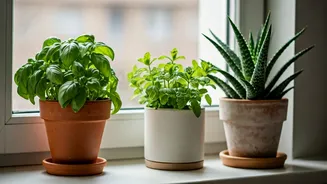
All plants need three things to thrive: light, water, and nutrients. For a simple pot of herbs, a south-facing window that gets at least six hours of direct sunlight might be enough. If your kitchen is dim, a small, clip-on LED grow light is an easy and affordable solution. The beauty of all-in-one hydroponic kits is that they come equipped with full-spectrum LED lights set on automatic timers, mimicking the sun’s natural cycle. Watering is also simplified with these systems, which often have indicators to tell you when to top up the reservoir. For soil-based pots, the rule is to water when the top inch of soil feels dry. It’s a small daily or weekly ritual that connects you to the life cycle of your food, turning a chore into a moment of mindfulness.
Styling Your Edible Oasis
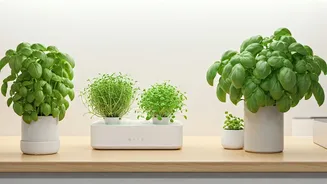
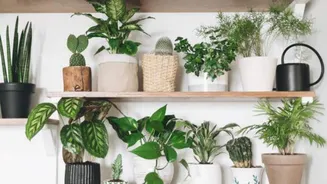
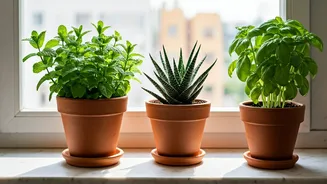
A countertop garden is functional, but it should also be beautiful. Think of it as a living art installation in your kitchen. If you're using individual pots, choose containers that complement your decor—terracotta for a rustic feel, or sleek ceramic planters for a modern look. Grouping pots of varying heights and textures on a tray can create a lush, visually interesting display. Even the high-tech hydroponic systems are being designed with aesthetics in mind, available in different colors and finishes to blend seamlessly with your appliances. The vibrant green of the foliage itself adds a splash of color and life to the kitchen, making the space feel more vibrant and welcoming.