


The Memory in a Wrapper
It might be a simple, rectangular biscuit, faintly sweet and perfect for dunking in chai. For generations of Indians, Parle-G is not just a snack; it's a shared cultural touchstone, the country's most beloved biscuit, consumed by toddlers and grandparents
alike. For Indian Americans, finding that familiar yellow-and-white wrapper in a local grocery store is more than a convenience. It’s an emotional bullseye. These snacks are edible artifacts, tangible links to childhood visits to India, after-school treats from a grandmother, or the familiar comfort of a pantry back home. Unlike a complex curry that requires hours of preparation, the magic of a snack like Parle-G or a packet of Maggi 2-Minute Noodles is its instant, unadulterated access to a feeling of home.
From Diaspora Staple to Mainstream Cool
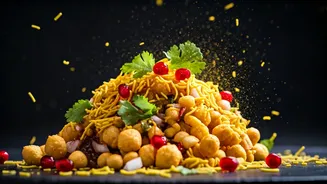
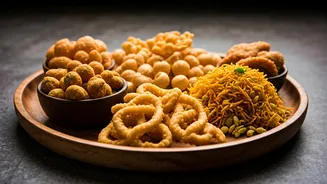
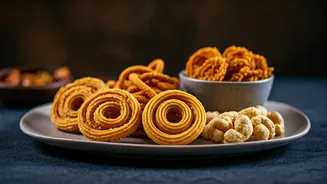
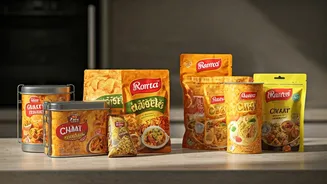
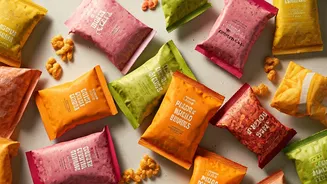
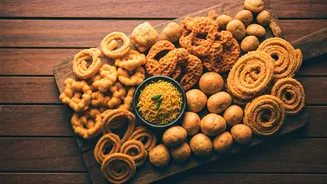
For decades, these treasures were sequestered in the aisles of specialty Indian grocery stores, sought out by first-generation immigrants stocking up on the flavors they missed. But something has shifted. The children of those immigrants, now adults with their own cultural influence and spending power, are driving this trend into the open. They’re sharing their favorite childhood “namkeen” (savory snacks) like Haldiram’s Bhujia or the spicy, puffy Kurkure on TikTok. They’re writing about them in food blogs and introducing them to non-Indian friends who are eager for authentic culinary experiences beyond the familiar restaurant menu. This second-generation-led movement is reframing the snacks not as foreign curiosities, but as essential parts of a vibrant, modern American food scene. They aren't just consuming their culture; they are curating and sharing it.
The Search for Unfiltered Flavor
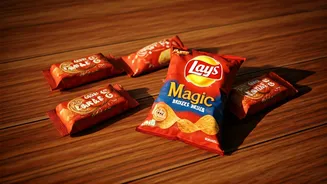
What makes these snacks so compelling is their resistance to Americanization. The appeal isn’t a toned-down, fusion version of an Indian flavor; it’s the real, unapologetic thing. It’s the tangy, spicy, and savory explosion of a good “chaat” flavored chip. It’s the distinct sweetness of a Britannia Good Day cashew cookie or the tart fizziness of a Limca soda. In a market saturated with endless variations of cheddar and sour cream, these snacks offer a complex and exciting flavor vocabulary. They deliver notes of tamarind, black salt (kala namak), cardamom, and mango powder (amchur) that are still novel to many American palates. This authenticity is a powerful draw, not just for the diaspora longing for a specific taste, but for any adventurous eater tired of the same old thing.
A New Generation of Entrepreneurs
This wave of nostalgia is also fueling innovation. Recognizing the growing demand, a new class of entrepreneurs—many of them second-generation Indian Americans themselves—are building businesses around these flavors. Some are creating direct-to-consumer platforms that make it easier than ever to get classic imports like Fatafat digestive candies or Rooh Afza syrup delivered to your door. Others are launching their own brands, using traditional flavors as a launchpad for new products. They might create a sparkling water infused with lychee and rose, or a gourmet ice cream flavored with chai and Parle-G biscuits. This isn’t about replacing the classics, but celebrating them. It’s a sign that the trend has matured from simple nostalgia into a dynamic and forward-looking culinary movement, proving that sometimes, looking back is the most exciting way to move forward.