






The Tree That Asks for Nothing
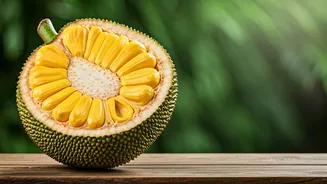
Before it was the darling of the vegan scene, jackfruit was simply a fact of life in South and Southeast Asia. The jackfruit tree is what agricultural experts call a ‘miracle crop.’ It’s the largest tree-borne fruit in the world, with some weighing in at a staggering
100 pounds. But its size isn’t the most impressive thing about it. These trees are exceptionally resilient. They are drought-resistant, require minimal pesticides or herbicides, and can thrive in a variety of tropical climates without intensive care. In an era of climate change and water scarcity, a food source that demands so little from the earth is a profound advantage. A single tree can produce several tons of fruit per year, providing an abundant, low-impact food source. Compared to the enormous water, land, and feed resources required for livestock, the jackfruit tree is a model of environmental efficiency.
The Perfect Plant-Based Imposter
The ethical argument for jackfruit extends directly to animal welfare. For millions of Americans looking to reduce their meat consumption, the challenge is often texture and satisfaction. This is where young, unripe jackfruit works its magic. When cooked, its fibrous flesh shreds beautifully, creating a texture remarkably similar to pulled pork or shredded chicken. It’s a culinary chameleon, readily absorbing the spices and sauces of any dish, which is why it’s a natural fit for complex, flavorful curries. This mimicry allows home cooks and chefs to create familiar, comforting meals without animal products. By providing a satisfying, whole-food alternative, jackfruit directly reduces demand for factory-farmed meat, one of the most ethically fraught and environmentally damaging industries on the planet. It’s a simple swap that carries significant ethical weight, making it easier than ever to enjoy a hearty meal with a clear conscience. While it's not a protein powerhouse like meat or tofu, its textural contribution makes it a cornerstone of a satisfying plant-based plate.
An Economic Lifeline
The rise of jackfruit in the West is also creating a positive economic ripple effect. For generations, in countries like India and Sri Lanka, a significant portion of the jackfruit harvest would go to waste. The sheer abundance of the fruit meant that local markets were easily saturated, and the massive fruits were often seen as a nuisance, rotting where they fell. Its historical association with hardship, sometimes called a 'poverty food,' meant it was often overlooked. Now, global demand is changing that narrative. The international market for jackfruit is providing a new and valuable revenue stream for small-scale farmers. It’s turning a previously underutilized crop into a source of sustainable income, empowering rural communities and creating economic stability. By purchasing jackfruit products, consumers in the U.S. are participating in a food system that supports agricultural biodiversity and rewards farmers for stewarding a resilient, traditional crop.
More Than Just a Trend
It’s easy to be cynical about food trends, but jackfruit’s ascent feels different. It isn’t a lab-created novelty or a hyper-processed substitute. It is a simple, ancient fruit whose time has come. Its journey from a backyard staple in Asia to a feature on menus across America represents a hopeful convergence of culinary curiosity and conscious consumerism. Making a jackfruit curry isn’t just about trying a new recipe; it’s a vote for a different kind of food system—one that is kinder to the planet, gentler on animals, and more equitable for the people who grow our food. It’s a delicious, tangible way to participate in a positive change, proving that an ethical choice doesn't have to be a sacrifice. In fact, it can be a feast.