




Beyond the ‘Take Me Back’ Post
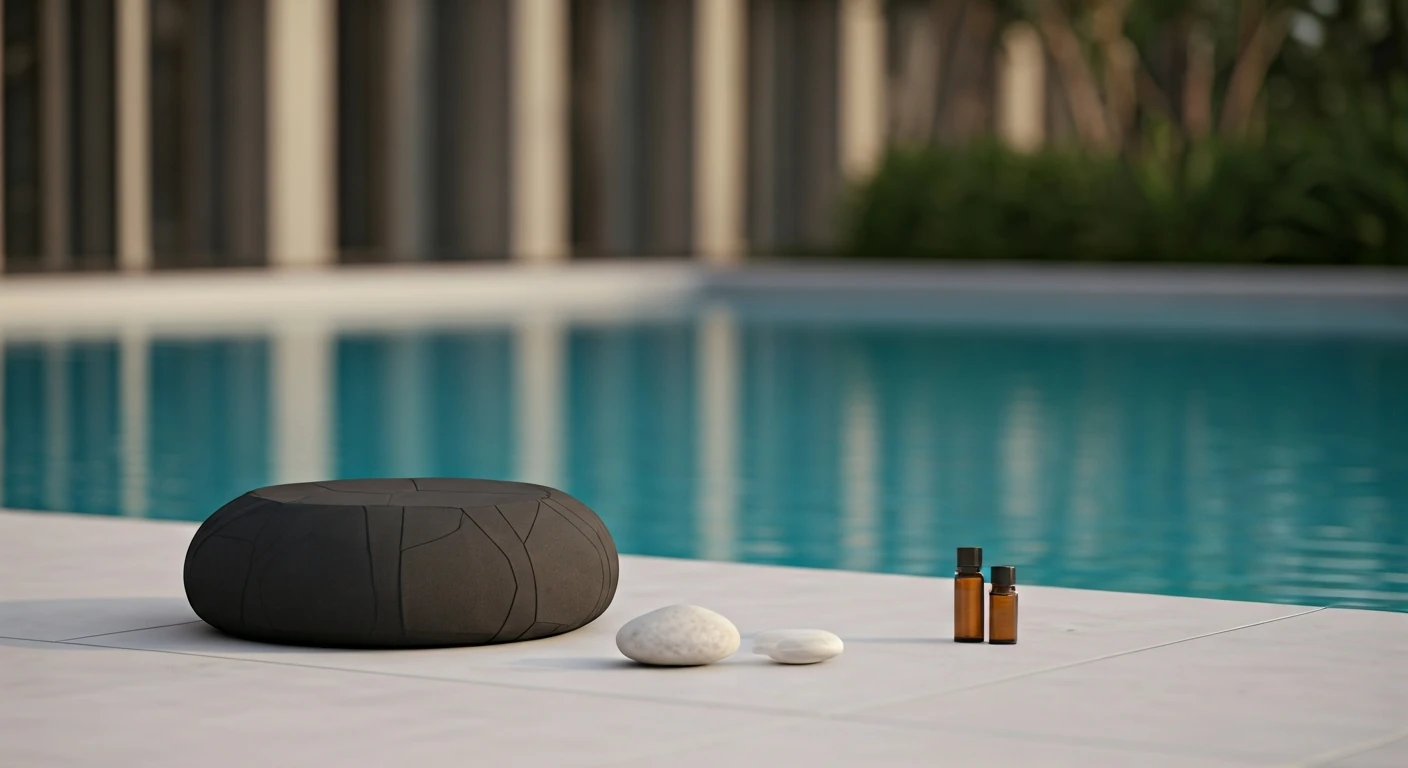
For years, the pinnacle of the wellness flex was the retreat itself. A sun-drenched photo from a Costa Rican eco-lodge or a serene snap from a yurt in the desert was enough to signal your commitment to self-improvement. But as these experiences have become
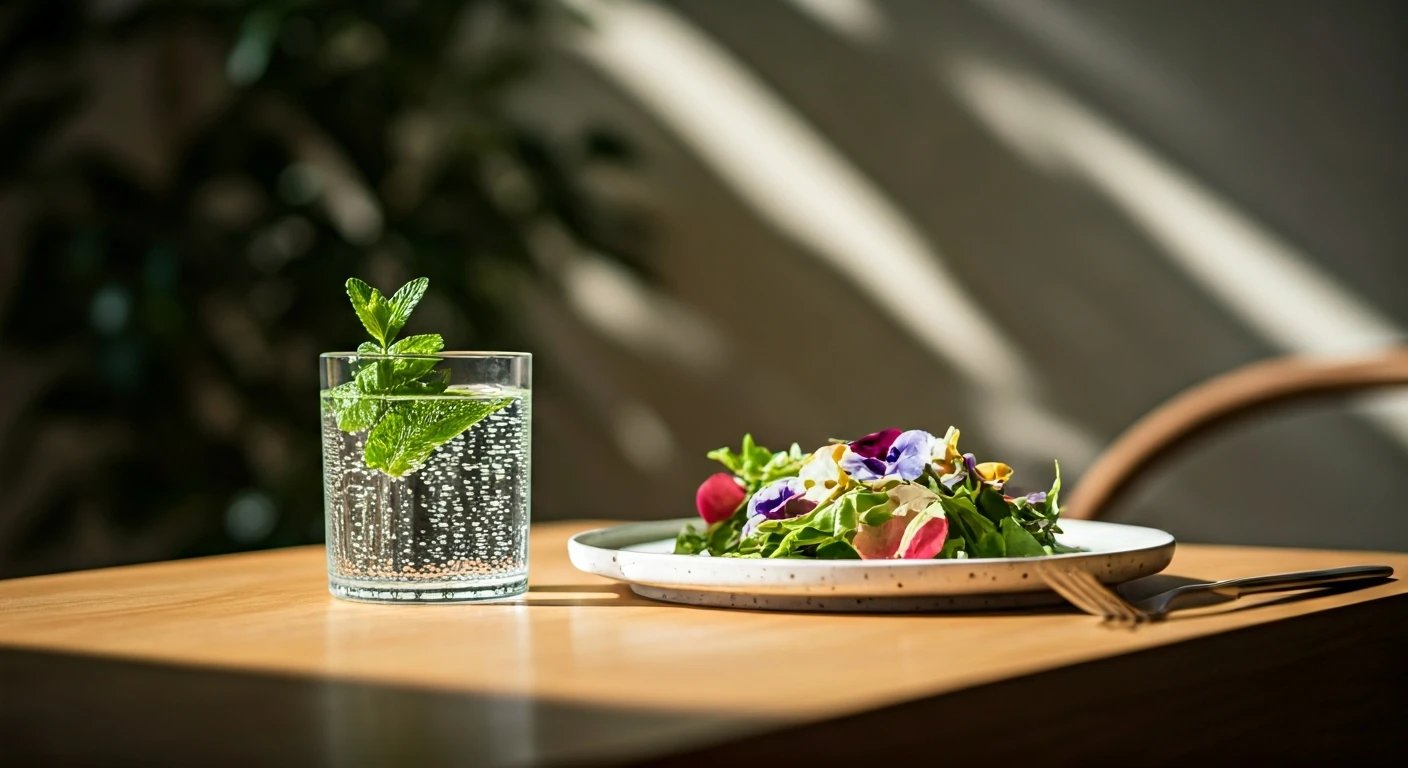
more accessible, the cultural conversation has shifted. The new frontier of self-care isn’t about the peak experience; it’s about proving the experience changed you. Enter the post-retreat routine: a carefully constructed set of daily rituals designed to 'integrate' the lessons of the retreat into everyday life. This isn't just about feeling refreshed. It’s about adopting and, crucially, showcasing a new, more enlightened way of being. The routine becomes the evidence. The turmeric lattes, the 5 AM journaling, the specific brand of adaptogenic mushrooms—these are the artifacts of your transformation, shared for all to see.
The Integration Industrial Complex
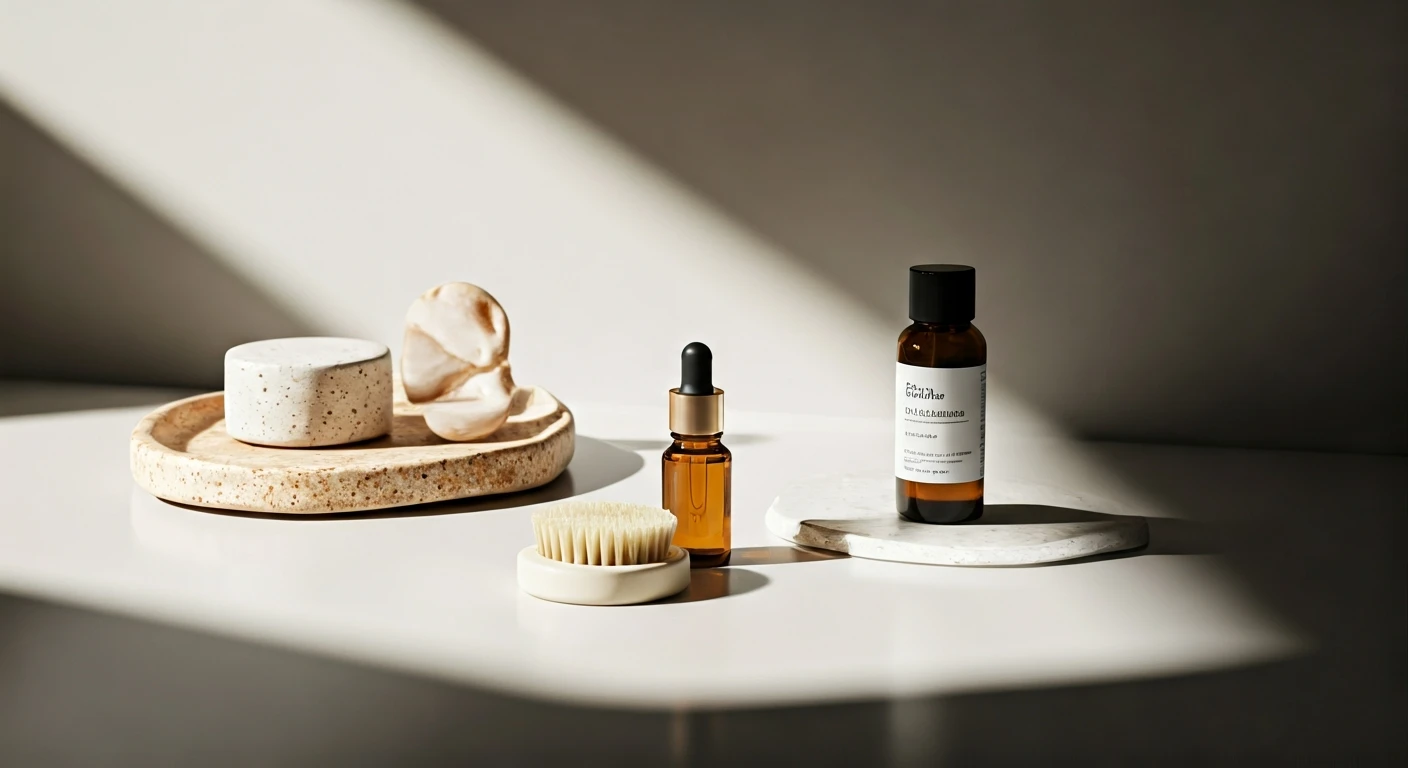
Where there’s a trend, there’s a market. The wellness industry, never one to miss an opportunity, has pivoted to service this new need. The focus is no longer just on selling the getaway, but on monetizing the aftermath. We're seeing a rise in 'integration coaching,' where guides help you translate your retreat bliss into a manageable weekly schedule. Brands are creating 'post-retreat kits' filled with herbal teas, essential oils, and guided journals. Influencers who once sold the dream of the escape are now selling the discipline of the follow-through. This 'Integration Industrial Complex' frames the post-retreat period as a delicate, high-stakes phase. The message is clear: without the right products and protocols, the spiritual gains you made on that mountainside are likely to evaporate in the face of your morning commute and overflowing inbox. It cleverly transforms the simple act of coming home into a problem that needs a consumer-based solution.
From Personal Growth to Performance Art
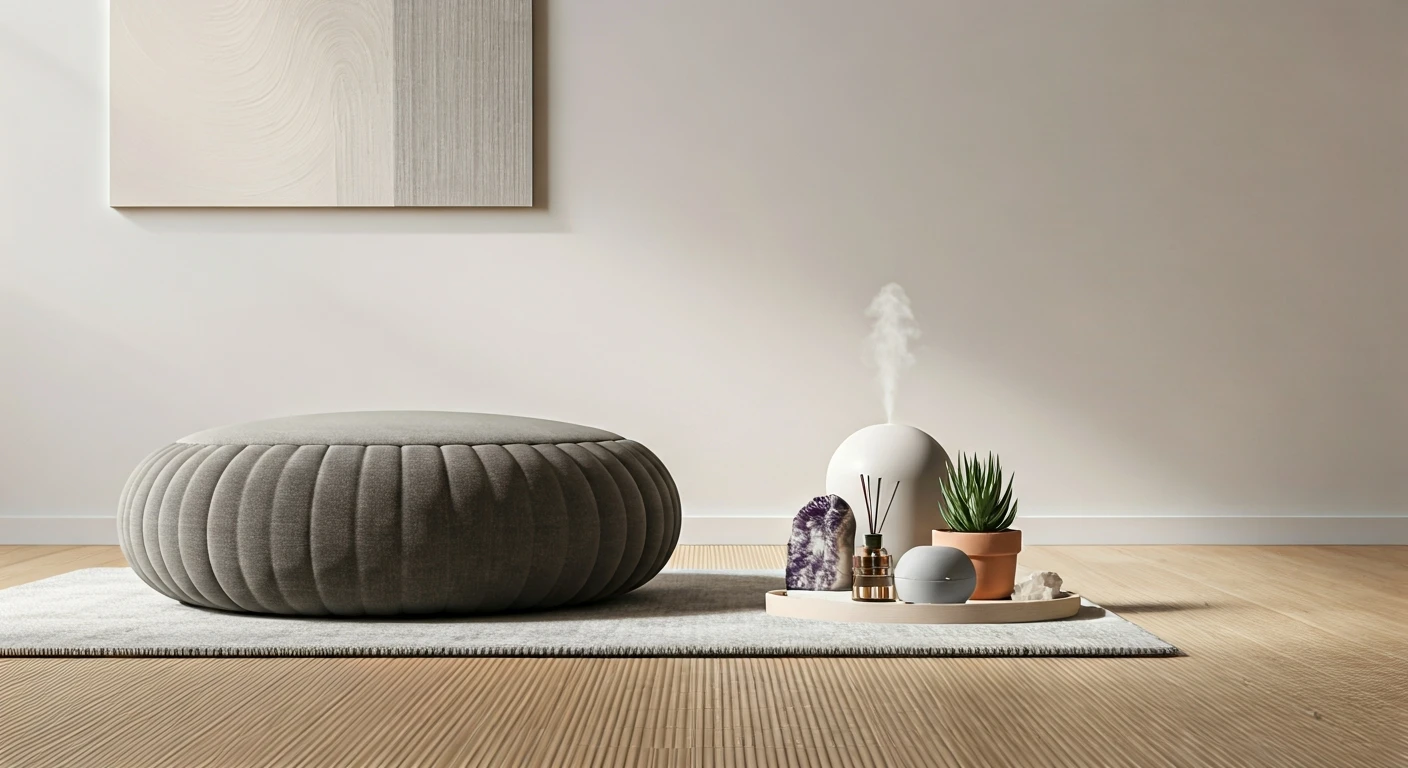
The core of this trend lies in its public-facing nature. A private journaling practice is self-care; a flat-lay photo of your open journal, a crystal, and a steaming mug of chai is a performance. This is the 'flex' part of the headline. On social media, the post-retreat routine becomes a form of narrative storytelling. It’s a visual and verbal declaration that 'I am not the same person who left for that retreat two weeks ago.' It signals discipline, mindfulness, and a level of spiritual or emotional maturity. This performance isn’t necessarily disingenuous. For many, sharing the journey is a way to stay accountable. But it undeniably shifts the focus from an internal process to an external validation loop. The 'likes' and 'comments' on a post about your new breathwork practice become a metric of its success, blurring the line between feeling good and looking like you feel good.
So, Is It Still Self-Care?
This raises the essential question: if a self-care routine is designed for an audience, is it still caring for the self? The pressure to maintain a picture-perfect post-retreat glow can become another source of stress, ironically undermining the very peace the retreat was meant to provide. When you’re worried about whether your morning ritual is aesthetically pleasing enough for Instagram, you’re no longer fully present in the act itself. The 'shoulds' start to pile up: 'I should be waking up at dawn,' 'I should be drinking this specific celery juice,' 'I should be feeling perpetually blissful.' This can lead to a sense of failure if normal life—with all its messiness and frustrations—inevitably creeps back in. True integration might be less about a photogenic routine and more about learning to handle life’s challenges with a bit more grace, a lesson that rarely fits into a neat social media post.